

2026 pet CBD snapshot
Pet owners are increasingly turning to CBD for arthritis pain and anxiety, but the rules aren't the same in every state. While the market is growing, the legal status of these products depends heavily on where you live and how the CBD is sourced.
Laws surrounding CBD, even specifically for pets, are in constant flux. States are experimenting with different approaches, and federal regulations remain somewhat ambiguous. This creates a complex situation for both pet owners and businesses operating in the pet CBD space. It's important to understand that the information available today may not be accurate tomorrow, and staying informed is crucial.
This guide aims to provide a comprehensive overview of pet CBD laws as we anticipate them in 2026, breaking down the federal status and offering a state-by-state analysis. However, remember that this is a snapshot in time, and laws are subject to change. Always verify local regulations before purchasing or administering CBD products to your pet. Finding a trusted CBD source is paramount.
We'll cover everything from the differences between hemp-derived and marijuana-derived CBD to the challenges of product regulation and what it means for you and your furry friend. The goal here isn't just to tell you what's legal, but to empower you to make informed decisions about your pet's health and well-being.
Federal rules and hemp distinctions
At the federal level, the legality of CBD is a bit of a gray area. The 2018 Farm Bill removed hemp – defined as cannabis with less than 0.3% THC – from the definition of marijuana under the Controlled Substances Act. This opened the door for the legal cultivation and sale of hemp-derived CBD products, but it didn’t explicitly address CBD for animals. This is a key distinction.
The Food and Drug Administration (FDA) hasn’t approved CBD for use in animal products, and they actively monitor the market. While the FDA hasn't outright banned CBD for pets, they've issued warning letters to companies making unsubstantiated health claims about their products. They maintain that CBD products are not approved for animal use, and their stance could evolve by 2026, but as of now, it remains cautious.
The crucial difference lies in the source of the CBD. Hemp-derived CBD, containing less than 0.3% THC, generally falls into a legal gray area federally. However, CBD derived from marijuana – containing more than 0.3% THC – remains illegal at the federal level, regardless of state laws. This distinction is critical because many states have different regulations for marijuana and hemp.
The FDA focuses on safety and labeling but hasn't set specific dosage or manufacturing standards for animals. Because of this, third-party testing is the only way to verify what is actually in a bottle. Whether the FDA will finalize these guidelines by 2026 is still unclear, though industry pressure is mounting.
State-by-state rules
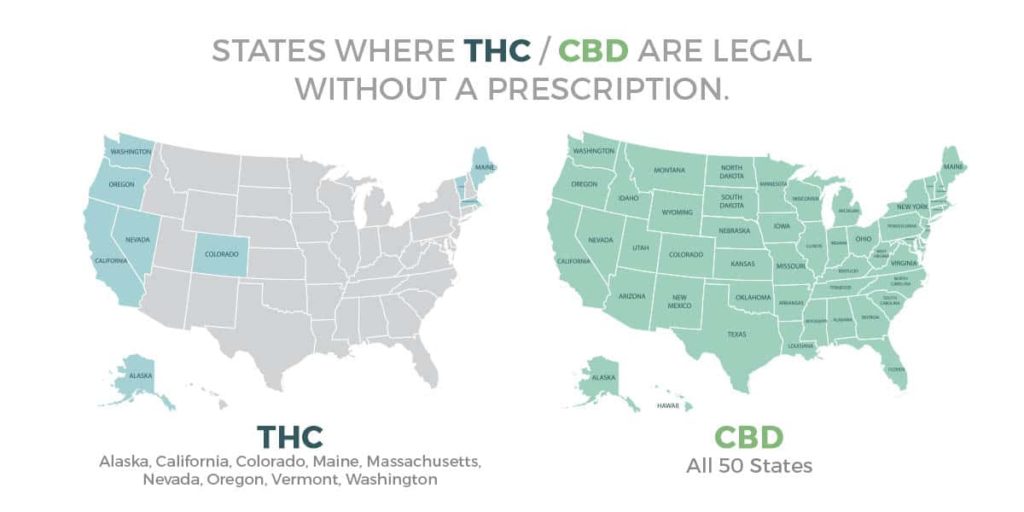
The legal landscape for pet CBD varies dramatically from state to state. A regional breakdown helps illustrate these differences. In the Northeast, states like Maine and Vermont have relatively permissive laws regarding hemp-derived CBD, allowing for its sale and use in pet products. However, New York has stricter regulations, with a focus on testing and labeling requirements.
Moving to the Southeast, the situation is more mixed. Florida has a fairly open market for hemp-derived CBD, while states like Georgia and North Carolina have more restrictive laws, often requiring specific licenses for businesses selling CBD products. Agricultural interests play a significant role here, with states that have a strong hemp farming industry generally being more open to CBD.
The Midwest presents another patchwork of regulations. Illinois has a comprehensive industrial hemp program, allowing for the sale of CBD products for both humans and pets. In contrast, states like Indiana and Ohio have more conservative approaches, with limitations on THC content and restrictions on marketing claims. There's a definite correlation between a state’s overall cannabis policy and its approach to pet CBD.
The Southwest, particularly states like Colorado and Arizona, tends to be more progressive, with established medical and recreational marijuana programs. This often translates to more relaxed regulations for hemp-derived CBD, including pet products. New Mexico is also becoming more open, but still requires careful adherence to labeling guidelines.
Finally, in the West, California has a well-developed regulatory framework for both hemp and marijuana, but navigating it can be complex. States like Oregon and Washington also have relatively permissive laws, but they prioritize product safety and require rigorous testing. The political climate and consumer demand significantly influence these western states’ policies.
According to Lolahemp.com (accessed November 2nd, 2023), several states are actively considering legislation to clarify the legality of pet CBD. Federalregister.gov provides access to proposed and final rules related to hemp production and CBD regulation, but often lacks specific details on pet-focused applications.
Pet CBD Legality by State (Projected for 2026)
| State | CBD for Dogs | CBD for Cats | Notes |
|---|---|---|---|
| California | Legal | Legal | Generally allows CBD products with less than 0.3% THC. Regulations regarding pet food additives are evolving and may impact specific CBD product formulations. |
| Texas | Restricted | Restricted | CBD is legal if it contains less than 0.3% THC, but regulations surrounding its sale for animal consumption are unclear and subject to change. A grey area exists regarding the legality of adding CBD to pet treats. |
| Florida | Legal | Legal | Florida allows CBD products derived from hemp with less than 0.3% THC. No specific restrictions currently exist for pet CBD, but labeling requirements are important. |
| New York | Legal | Legal | CBD is legal in New York if it adheres to federal guidelines (less than 0.3% THC). The state Department of Agriculture and Markets regulates hemp-derived CBD products, including those for pets. |
| Colorado | Legal | Legal | Colorado has a mature hemp and CBD market. CBD products for pets are generally permitted, provided they meet labeling and testing requirements. Regulations are continually being updated. |
| Illinois | Legal | Legal | Illinois allows the sale of hemp-derived CBD products, including those for pets, as long as they contain less than 0.3% THC. Specific regulations regarding manufacturing and labeling apply. |
| Ohio | Restricted | Restricted | Ohio permits CBD products with less than 0.3% THC, but the legal status of CBD in pet food and treats is not definitively established and may require veterinary guidance. |
| Pennsylvania | Legal | Legal | Pennsylvania allows the sale of hemp-derived CBD products with less than 0.3% THC. Regulations are evolving and may impact the sale of CBD-infused products for animals. |
Illustrative comparison based on the article research brief. Verify current pricing, limits, and product details in the official docs before relying on it.
States with confusing regulations
Several states currently have ambiguous rules surrounding pet CBD, creating a legal gray area for both businesses and consumers. Texas, for example, has a complicated legal framework where the legality of CBD depends on how it’s sold – specifically, whether it’s marketed as a supplement or a food additive. This has led to legal challenges and uncertainty in the market.
Idaho is another state with unclear regulations. While hemp-derived CBD is technically legal, the state's laws are often interpreted restrictively, leading to seizures of CBD products. This creates a risky environment for businesses and pet owners alike.
Kansas also presents challenges. The state's laws regarding CBD are vague, and enforcement is inconsistent. This makes it difficult for businesses to operate with confidence and for pet owners to know what's legal and what's not. Ongoing legislation is attempting to clarify these rules, but the process is slow.
It’s crucial for pet owners in these states to exercise caution and thoroughly research local laws before purchasing CBD products. Always check with local authorities or a legal professional to ensure compliance. Remember, laws can change quickly, so staying informed is essential. When in doubt, err on the side of caution.
Product Regulations: What's Allowed?
Beyond the legality of CBD itself, states are also enacting regulations regarding the types of CBD products allowed for pets. Many states restrict the sale of CBD-infused treats or food additives, while allowing CBD oils and topicals. This is often due to concerns about accurate dosage and potential contamination.
THC content is a major regulatory focus. Most states require CBD products to contain less than 0.3% THC, in line with the federal Farm Bill. However, some states have even stricter limits, requiring products to be completely THC-free. This is particularly important for pets, as they are more sensitive to the effects of THC than humans.
Labeling requirements are also becoming increasingly common. States are mandating that CBD products include clear and accurate information about the CBD content, ingredients, and recommended dosage. Some states also require warning labels about potential side effects.
Perhaps the most important aspect of product regulation is testing. Many states now require CBD products to undergo third-party testing to verify their CBD content and ensure they are free from contaminants like heavy metals and pesticides. A Certificate of Analysis (COA) is a document that provides these test results, and it’s essential to look for a COA before purchasing any CBD product for your pet.
- Check for a Certificate of Analysis (COA) to verify purity.
- Check the THC content to ensure it meets state regulations.
- Verify that the product is labeled accurately with CBD content and ingredients.
- Choose products from reputable brands with a commitment to quality control.
Veterinarian Guidance & Legal Protections
The role of veterinarians in recommending CBD is a complex issue. Many veterinarians are hesitant to discuss CBD with clients due to legal concerns and a lack of FDA approval. Some states have laws that specifically prohibit veterinarians from recommending CBD, while others offer some level of protection.
In states where CBD is legal, veterinarians may be allowed to discuss it with clients, but they often avoid making specific recommendations due to liability concerns. The American Veterinary Medical Association (AVMA) has not taken a formal position on CBD, but encourages veterinarians to stay informed about the latest research.
A growing number of veterinary schools are beginning to incorporate CBD into their curriculum, but it’s still a relatively new topic. This increased education may lead to more veterinarians being comfortable discussing CBD with clients in the future.
Legal protections for veterinarians vary by state. Some states offer immunity from liability for veterinarians who discuss CBD in good faith, while others do not. It’s important for veterinarians to understand their state’s laws before discussing CBD with clients.
Featured Products

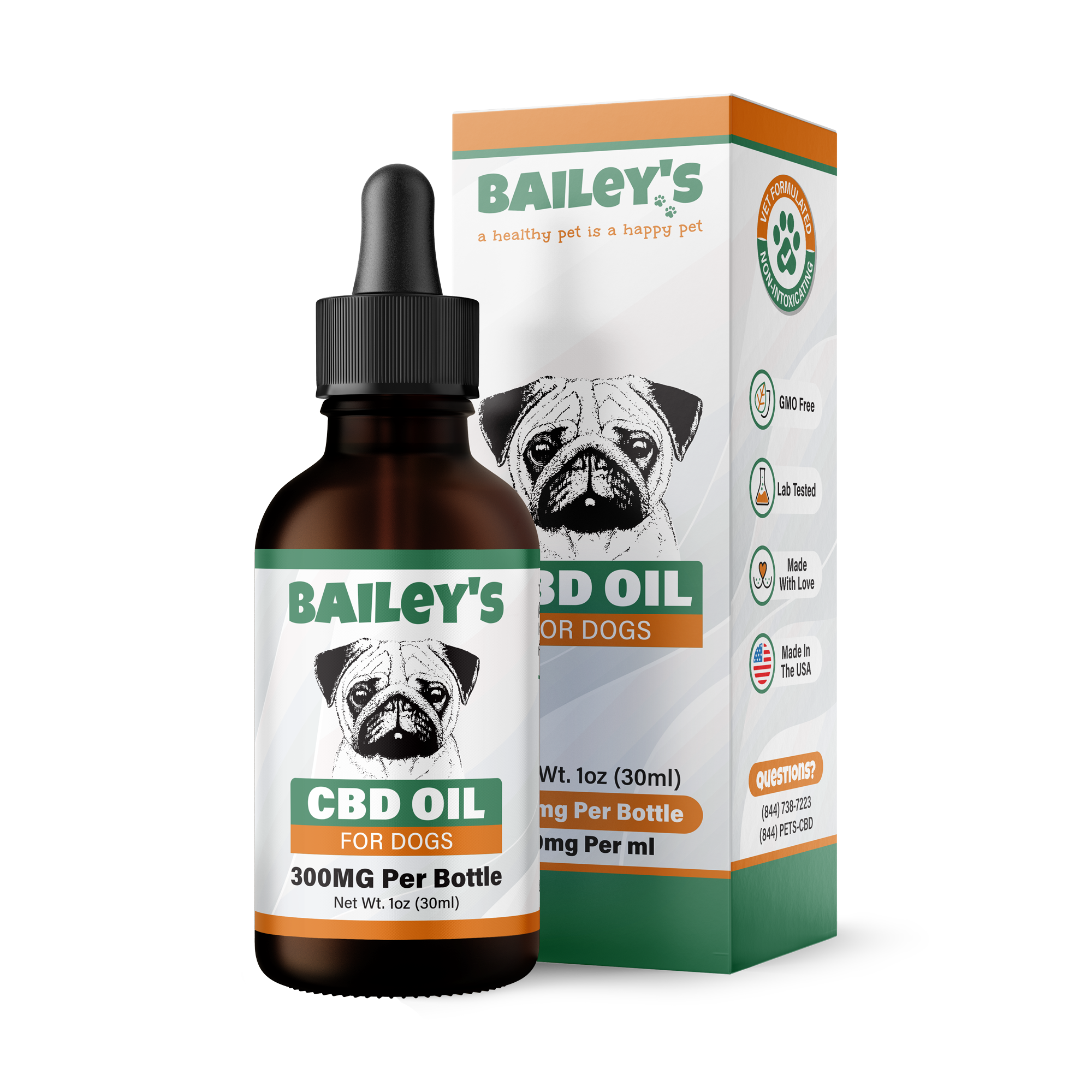
Maximum potency hemp oil for dogs and cats · Aids in reducing anxiety, stress, and inflammation · Supports joint and hip health, and promotes relaxation
This product is recommended for its high potency and broad range of potential benefits for pet anxiety, pain, and joint health, with an emphasis on organic ingredients.

Hemp oil formulated for both dogs and cats · Addresses anxiety, pain, stress, and sleep issues · Supports hip and joint health for improved mobility
This product is recommended for its dual formulation for dogs and cats, targeting common issues like anxiety, pain, and joint discomfort, while also promoting better sleep.

Hemp chews designed as a hip and joint supplement for dogs · Contains Glucosamine, Chondroitin, and MSM for joint support · Promotes advanced mobility and provides pain relief for joints
This product is recommended for its comprehensive hip and joint support formula, including key ingredients like Glucosamine and Chondroitin, to enhance mobility and alleviate joint pain in dogs.

Lick-safe paw and nose balm for dogs · Moisturizes and soothes dry, cracked pads and snouts · Provides protection against hot and cold pavement conditions
This product is recommended for its natural, lick-safe formula that effectively moisturizes and protects a dog's paws and nose from environmental irritants and extreme temperatures.
Hemp oil formulated for both dogs and cats · Addresses anxiety, pain, stress, and sleep issues · Supports hip and joint health for improved mobility
This product is recommended for its dual formulation for dogs and cats, targeting common issues like anxiety, pain, and joint discomfort, while also promoting better sleep.
As an Amazon Associate I earn from qualifying purchases. Prices may vary.
No comments yet. Be the first to share your thoughts!