
Find pet CBD retailers near your zip code
Start by opening the Pet CBD Finder tool. This utility connects you with local stores that carry pet-safe CBD products, saving you from scrolling through unrelated online marketplaces. The process is straightforward: enter your location, let the tool do the work, and review the results.

Locate the search bar at the top of the tool’s homepage. Type in your five-digit zip code and press enter. The tool will immediately begin scanning its database of vetted retailers within your specified radius.
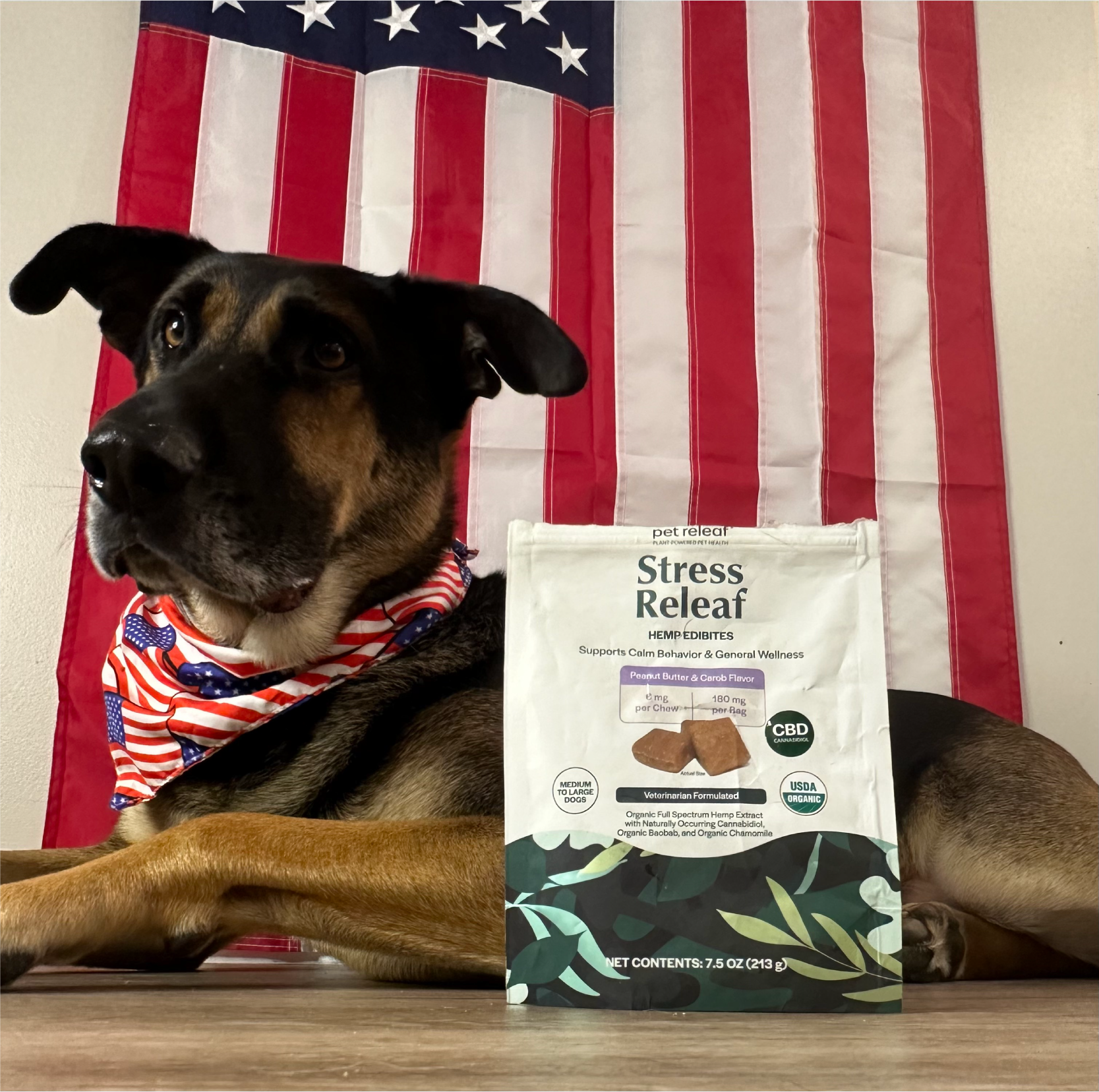
Once results appear, you can narrow the list if needed. Some versions of the finder allow you to toggle filters for product type (treats, oils, topicals) or specific brands like Suzie’s Pet Treats or CBD Dog Health. Adjust these settings if you have a preference for how your pet receives CBD.
Browse the generated list of nearby shops. Pay attention to store names, distances, and any user ratings provided. Click on a specific retailer to view their full address, contact information, and current inventory highlights. This step helps you decide which local shop best fits your needs.
After selecting a store, note their hours of operation and whether they require an appointment or allow walk-ins. Having this information ready before you leave ensures a smooth visit. If the tool shows no results for your immediate area, try expanding your zip code range or checking neighboring towns, as inventory availability can vary significantly by location.
Verify product availability before visiting
Pet CBD products move quickly, and local inventory changes daily. What shows as "in stock" on a general directory might be sold out by the time you arrive. Before you drive to the store, confirm they carry the specific product you need.
Check the online inventory
Many local shops list real-time stock levels on their websites. Look for the specific CBD oil or chews you want. If the site shows a green checkmark or "available," you have a better chance of success. If it lists "low stock" or "out of stock," call to verify.
Call the store directly
Websites can lag behind actual shelf counts. A quick phone call is the most reliable way to confirm availability. Have the exact product name and size ready. Ask if they have the item on the shelf or just in the back room. This saves a wasted trip and ensures you get the right product for your pet.
Confirm the product details
Once you confirm availability, double-check the product type. Ensure it is formulated for pets, not humans. Ask about the concentration (mg per serving) and the flavor. Some stores carry multiple brands with different potencies. Knowing the details before you go helps you find the right fit for your pet’s needs.
Compare local CBD options side by side
Finding the right product at a local shop requires looking past the packaging and checking the numbers. You need to evaluate three main factors: the cost per milligram, the type of extract used, and whether the brand provides independent lab results. This comparison helps you avoid overpaying for low-quality oil.
Use the table below to see how typical local options stack up against each other. Focus on the price per mg column, as this is the most accurate way to compare value across different bottle sizes and concentrations.
| Shop Type | Price per mg | Extract Type | Lab Verification |
|---|---|---|---|
| Independent Pet Store | $0.15 - $0.25 | Full-spectrum | Varies |
| Online Direct (e.g., Honest Paws) | $0.11 - $0.14 | Full-spectrum | Consistent |
| Big Box Pet Retailer | $0.20 - $0.30 | Isolate or Broad | Limited |
| Specialty CBD Boutique | $0.25+ | Full-spectrum | Detailed |
When browsing local shelves, look for a QR code on the bottle. Scanning this code should take you to a Certificate of Analysis (COA) from a third-party lab. If a shop cannot provide this document, or if the COA does not list the exact batch number of the product you are holding, put it back.
Also, check the ingredient list. Full-spectrum oils contain trace amounts of THC (less than 0.3%), which may work better for some pets than isolate products. However, if your pet is sensitive or you live in a region with strict regulations, broad-spectrum or isolate options might be safer. Always ask the shop staff about their sourcing and testing standards before making a purchase.
Verify third-party lab results in store
Before purchasing, ask to see the Certificate of Analysis (COA) for the specific batch on the shelf. A legitimate product will have a QR code on the label or a printed document available in-store. This document is the only way to confirm that the CBD oil actually contains what the label claims.
Check potency and purity
Look at the "potency" section to ensure the milligram count matches the bottle. Then, check the "contaminants" panel. This section confirms the product is free from pesticides, heavy metals, and solvents. If a shop cannot produce a COA for a product they sell, put it back and walk away.
Confirm the lab is independent
Make sure the COA comes from an ISO 17025-accredited third-party laboratory, not the brand’s own internal testing. Independent labs provide unbiased proof of safety. Reputable brands like Honest Paws and Canna-Pet publish these results for transparency src-serp-7.
Common mistakes when buying local CBD
Local shops offer the advantage of seeing products in person, but that convenience can mask quality gaps. Many retailers stock whatever sells fastest, not necessarily what is safest for your pet. When using a Pet CBD Finder to locate nearby stores, avoid these three errors.
Skipping the Certificate of Analysis
A COA is the only proof that a product contains what the label claims. Without a recent third-party test, you are guessing about potency and contamination. Check the QR code on the bottle or ask the clerk for the lab report. If the shop cannot produce a COA for the specific batch, put it back and walk away.
Buying Unverified Brands
Not all CBD brands follow the same standards. Some cut corners on extraction or sourcing, leading to inconsistent dosing. Stick to brands that publish their full ingredient lists and manufacturing processes. If a local shop carries a house brand with no transparent sourcing history, choose a verified manufacturer instead.
Assuming All Local Shops Carry High-Quality Pet CBD
Just because a store sells human CBD does not mean their pet line is equally rigorous. Pet products require different formulations and often lower THC thresholds to ensure safety. Verify that the specific item is formulated for animals and tested for pet-safe levels. Do not assume shelf presence equals quality.
Final checklist for safe CBD sourcing
Before you hand over your card or open a bag of treats, run through this quick verification. Sourcing pet CBD locally gives you an edge: you can see the product and ask questions face-to-face. Use this checklist to ensure the shop and the product meet basic safety standards.
-
Verify the retailer’s physical address and hours match what’s listed online. Trustworthy local shops usually have a visible storefront or a dedicated section in a pet store.
-
Ask for the Certificate of Analysis (COA) for the specific batch. A legitimate lab report confirms the CBD content and checks for contaminants like heavy metals or pesticides.
-
Check the ingredient label for unnecessary fillers. Avoid products with artificial colors, excessive sugars, or ingredients known to be toxic to pets, such as xylitol.
-
Confirm the CBD source is hemp-derived and contains less than 0.3% THC. This federal limit ensures the product is legal and safe for animal consumption.
-
Compare the cost per milligram of CBD. Reliable products typically range from $0.10 to $0.20 per mg, balancing quality with affordability.
Taking five minutes to verify these details protects your pet from low-quality supplements. If a shop cannot provide a COA or seems evasive about ingredients, it is best to walk away and try a different local provider.
Frequently Asked Questions About Local Pet CBD
Finding the right CBD product for your dog or cat locally can feel overwhelming. These common questions help clarify what to look for, how to dose safely, and whether local sourcing makes a difference.
No comments yet. Be the first to share your thoughts!