

The 2026 FDA shift
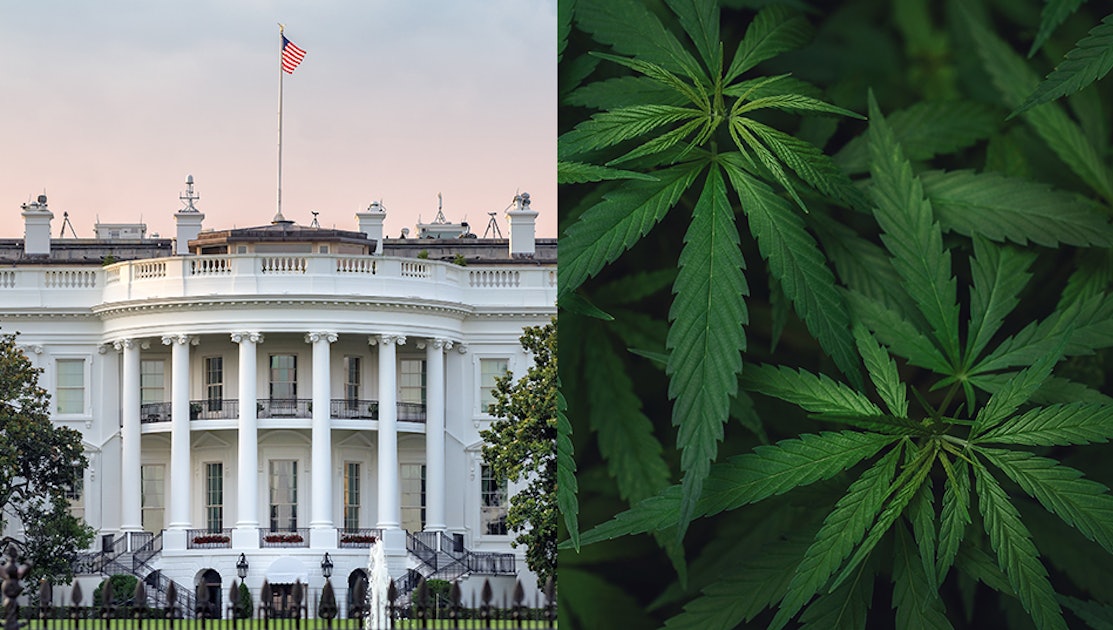
Pet CBD shops are facing a total overhaul. For years, the market has existed in a legal gray zone, but the FDA plans to implement a ground-up framework for animal cannabis products by 2026. This isn't a minor tweak; it's the first time the agency is setting hard rules for how these supplements are made and sold.
Currently, the FDA hasn't approved CBD for use in animal food or as an animal drug, aside from a few exceptions for investigational use. This means most CBD products marketed for pets are technically not legal, even if they aren't actively being targeted by the agency. The new regulations will aim to address this ambiguity by establishing clear guidelines for safety, quality control, and labeling.
The shift is driven by growing consumer demand and a recognition that CBD may offer therapeutic benefits for animals – though more research is still needed. The FDA’s goal is to provide a pathway for safe and effective CBD products to reach the market, while also protecting animals from potentially harmful or mislabeled products. It’s a balancing act, and the details of the final rules will be critical.
New safety standards for different species
The new rules focus on species-specific safety. Manufacturers have to prove that a dose meant for a dog won't hurt a cat or a horse. This requires testing for specific dosages and side effects rather than using the current one-size-fits-all approach many brands use now.
Testing requirements will likely include analyzing the CBD content of products to ensure it matches the label claims, as well as screening for heavy metals, pesticides, and other toxins. The FDA is also expected to establish strict labeling standards, requiring clear information about the CBD content, ingredients, intended use, and potential risks. It’s a far cry from the current "wild west" situation where labeling is often inconsistent and misleading.
According to the FDA’s guidance, the agency will be looking at factors like the source of the CBD (hemp vs. marijuana), the manufacturing process, and the intended route of administration. They’ll also be considering the potential for drug interactions and the long-term effects of CBD use in animals. The goal is to create a system where pet owners can confidently choose CBD products that are safe and effective.
The FDA’s website details that they are prioritizing a risk-based approach, meaning they'll focus on products with the highest potential for harm. This includes products marketed for serious medical conditions or those intended for vulnerable animals, like puppies or pregnant animals.
Impact on Local CBD Shops: A State-by-State View
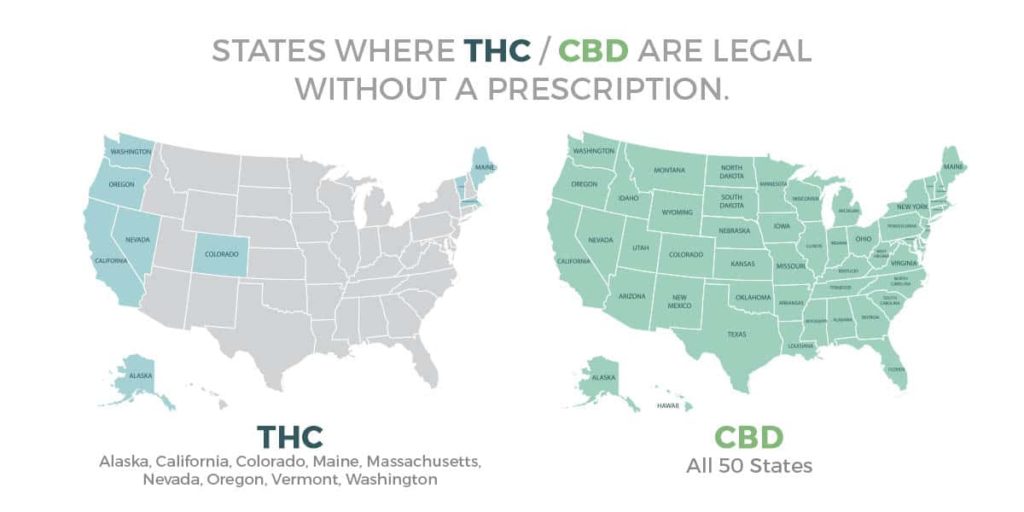
The impact of the FDA regulations won’t be uniform across the country. States have already taken a variety of approaches to CBD, with some enacting comprehensive laws and others remaining largely silent. The FDA’s rules will interact with these existing state laws in complex ways. States with stricter regulations may already be largely aligned with the FDA’s requirements, while those with more permissive laws may need to make significant changes.
According to Lolahemp.com’s 2026 guide, states like Colorado and Oregon, which have established hemp industries, are relatively well-prepared for the FDA regulations. They already have systems in place for testing and regulating hemp-derived products. However, even these states will need to adapt to the FDA’s specific requirements for pet CBD.
States like Idaho and Kansas, which have more restrictive hemp laws, may face a greater challenge. Their existing regulations could conflict with the FDA’s rules, creating confusion and uncertainty for local CBD shops. It’s possible that some states will choose to adopt the FDA’s regulations wholesale, while others will attempt to create their own unique frameworks.
I anticipate California will be particularly affected. They have a large and diverse CBD market, and navigating the FDA regulations alongside California’s existing cannabis laws will be a complex undertaking. Florida, with its growing pet population and relatively new CBD regulations, will also be closely watched. Shops in these states should start preparing now.
- Colorado and Oregon shops are better positioned because they already have state-level hemp testing infrastructure.
- Idaho & Kansas: May face challenges due to restrictive hemp laws.
- California & Florida: Anticipated to be significantly impacted due to market size and existing regulations.
State Readiness for FDA Pet CBD Regulations (Anticipated 2026)
| State | Existing CBD Laws | Anticipated Impact of FDA Rules | Key Challenges for Local Shops | Notes |
|---|---|---|---|---|
| Colorado | Comprehensive | Medium | Maintaining product diversity while complying with FDA standards; potential for increased testing costs. | Colorado has a relatively mature CBD market and existing regulatory framework. |
| California | Comprehensive | High | Navigating complex labeling requirements; ensuring supply chain traceability to meet FDA expectations. | California’s large market size means significant adjustments for many businesses. |
| Texas | Limited | High | Significant changes required to bring products into compliance; potential need for new licensing procedures. | Texas previously had restrictive laws, and the FDA rules represent a substantial shift. |
| Florida | Limited | Medium | Adapting to FDA-mandated testing protocols; clarifying legal ambiguities regarding hemp-derived CBD. | Florida's market is growing, but existing regulations are less defined. |
| New York | Comprehensive | Medium | Ensuring product labeling accurately reflects CBD content; potential for increased scrutiny of marketing claims. | New York has been proactive in regulating CBD, but FDA rules add another layer of complexity. |
| Ohio | Limited | Medium | Implementing robust quality control measures; understanding and complying with FDA enforcement priorities. | Ohio's market is developing, and businesses will need to invest in compliance. |
| Illinois | Comprehensive | Medium | Updating existing regulations to align with FDA guidelines; managing potential disruptions to the supply chain. | Illinois has an established CBD program, but adjustments will be necessary. |
| Georgia | None | High | Establishing foundational CBD regulations; significant investment needed for testing and compliance infrastructure. | Georgia currently lacks specific CBD laws, creating a large gap to close. |
| North Carolina | Limited | Medium | Clarifying the legality of certain CBD products; adapting to FDA requirements for pet food and supplements. | North Carolina's regulations have been evolving, and the FDA rules will add further complexity. |
| Michigan | Comprehensive | Medium | Maintaining compliance with both state and federal regulations; addressing potential conflicts between the two. | Michigan has a well-developed CBD industry, but navigating dual regulations will be a challenge. |
Illustrative comparison based on the article research brief. Verify current pricing, limits, and product details in the official docs before relying on it.
The high cost of staying open
One of the biggest challenges for local CBD shops will be the cost of testing and compliance. Meeting the FDA’s requirements will require significant investments in laboratory testing, quality control procedures, and record-keeping systems. The cost of testing a single batch of CBD products can range from several hundred to several thousand dollars, depending on the number of tests required.
Ongoing compliance costs will also be substantial. Shops will need to regularly test their products, maintain detailed records of their supply chain, and potentially undergo inspections by the FDA. These costs could be particularly burdensome for small, independent businesses that lack the resources of larger companies. It's likely that some smaller shops will be forced to close if they can’t afford to comply.
Beyond testing, shops will need to invest in employee training to ensure they understand the new regulations and can accurately label and market their products. Legal fees associated with reviewing contracts and ensuring compliance could also add up quickly. It's crucial for shop owners to factor these costs into their business plans.
Why your favorite treats might disappear
The FDA regulations will almost certainly influence how CBD products are formulated. The agency is likely to restrict the use of certain ingredients and establish limits on the maximum allowable dosage of CBD in different types of products. This could lead to a shift away from high-potency CBD products and towards more standardized formulations.
We can anticipate restrictions on certain types of products, such as CBD-infused treats that are highly palatable to pets. The FDA may be concerned about accidental overdoses if pets are able to consume too many treats. There could also be limitations on the use of certain flavors or additives that are considered potentially harmful to animals.
Manufacturers may need to reformulate their products to remove ingredients that are not approved for use in animal products. This could involve finding alternative carriers, preservatives, or flavoring agents. The FDA is also likely to require clear labeling of all ingredients, including the source of the CBD and any potential allergens.
Navigating Labeling and Marketing Restrictions
The FDA is expected to be very strict about what can be said about CBD products on labels and in marketing materials. Claims that CBD can cure, treat, or prevent any disease will almost certainly be prohibited without FDA approval. Shops will need to carefully review their marketing materials to ensure they comply with the new regulations.
You'll need specific disclaimers. If you mention a benefit, you have to state the FDA hasn't evaluated it. I've seen shops get into trouble for accidental medical claims, so the wording has to be exact to avoid a warning letter.
The FDA is also likely to restrict the use of testimonials and before-and-after photos in marketing materials. These types of claims are often considered misleading and can lead to enforcement actions. Shops should focus on providing factual information about the CBD content and ingredients of their products, rather than making exaggerated promises. A checklist of approved claims and wording would be incredibly helpful for shop owners.
- Review all marketing materials for compliance.
- Include clear disclaimers about FDA evaluation.
- Scrub any language about 'curing' or 'treating' anxiety and joint pain from your website.
No comments yet. Be the first to share your thoughts!