

Organic vs. synthetic sources
When you're shopping for pet-focused CBD products, you’ll quickly encounter terms like "organic’ and ‘synthetic.’ These terms refer to how the CBD is sourced and created, and understanding the difference is important. ‘Organic’ generally means the hemp plant was grown according to specific agricultural standards – avoiding synthetic pesticides, herbicides, and fertilizers. ‘Synthetic" means the CBD is created in a laboratory, mimicking the molecular structure of naturally occurring CBD.
A common misconception is that "organic’ automatically equals ‘better’ or ‘safer." While organic practices are beneficial, it doesn't guarantee a superior product. Similarly, "synthetic’ doesn’t automatically mean ‘artificial’ or ‘harmful.’ Both organic and synthetic CBD can be high quality, but they have different production processes and potential benefits. It"s about understanding those differences.
The government doesn't police pet CBD very strictly yet. In 2024, the Federal Register asked for more data on how vets use these products, which suggests rules might tighten up soon. For now, you have to do the heavy lifting on brand research yourself.
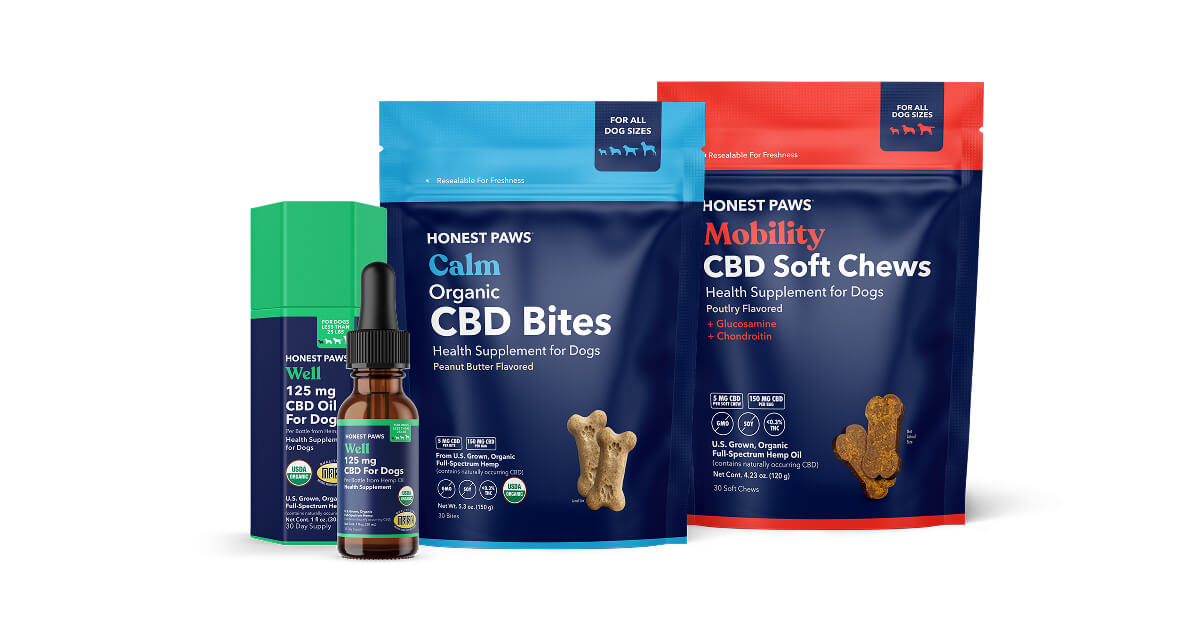
Organic CBD: Hemp Source & Extraction
Organic CBD starts with the hemp plant itself. USDA Organic certification is a significant indicator of quality. To earn this certification, the hemp must be grown on land free from prohibited substances for at least three years, and the growing process must adhere to strict organic standards. However, the certification process for CBD specifically can be complex, and not all brands prioritize it.
The source of the hemp matters. Many brands source their hemp from the United States – Oregon, Colorado, and Kentucky are major growing regions. Others import hemp from Europe. Regardless of location, reputable companies will be transparent about their hemp source. Growing practices are also critical; truly organic hemp is grown without synthetic pesticides or herbicides, which can leave harmful residues.
Extraction methods determine how CBD is separated from the hemp plant. Common methods include CO2 extraction and ethanol extraction. CO2 extraction is often considered the gold standard – it's a clean process using carbon dioxide under pressure to isolate CBD. Ethanol extraction uses grain alcohol, which can be effective but may leave trace amounts of solvent if not done properly. Both methods have their pros and cons regarding cost, efficiency, and potential environmental impact.
Even within "organic’ CBD, there’s variability. Soil quality, climate, and the specific hemp strain used can all affect the CBD content and cannabinoid profile. A brand"s commitment to quality control throughout the entire process – from seed to shelf – is crucial. Honest Paws emphasizes sourcing USDA organic hemp, highlighting the importance of this standard for their dog CBD products (Honest Paws, 2024).
Synthetic CBD: Lab Creation & Consistency
Synthetic CBD is created in a laboratory through chemical synthesis. This process involves building the CBD molecule from scratch, rather than extracting it from a plant. The primary benefit of synthetic CBD is consistency. Because it’s manufactured in a controlled environment, the CBD content and purity can be precisely controlled.
Another advantage is potentially lower cost. Synthetic production can be more efficient and scalable than organic farming and extraction. However, cost shouldn't be the sole deciding factor. Safety is paramount, and it’s important to consider potential byproducts or contaminants that might be present in synthetic CBD.
While synthetic CBD offers purity and consistency, long-term studies on its effects in pets are limited. Most research focuses on plant-derived CBD. Synthetic CBD is frequently produced as CBD isolate – meaning it contains only CBD and no other cannabinoids or terpenes. This isolation can be a drawback, as many believe the "entourage effect" (discussed later) is beneficial.
Safety concerns usually stem from the chemicals used during synthesis. Good labs test for leftovers like heavy metals or solvents. Some companies make synthetic versions just to dodge hemp laws, so checking independent lab results is the only way to know what's in the bottle.
The entourage effect in pets
The "entourage effect’ is a theory suggesting that CBD is more effective when combined with other cannabinoids (like CBG, CBN) and terpenes (aromatic compounds found in hemp). The idea is that these compounds work synergistically, enhancing each other"s effects. This concept is based on research in humans, but its relevance to pets is still being investigated.
Pets have a different endocannabinoid system (ECS) than humans. The ECS plays a role in regulating various physiological processes, and cannabinoids interact with it. However, the specific receptors and their distribution differ between species. This means the entourage effect might manifest differently in pets, or not at all.
Currently, research on the entourage effect in animals is limited. While anecdotal evidence suggests some pets respond better to full-spectrum CBD (which contains multiple cannabinoids and terpenes), definitive scientific proof is lacking. It's important to remember that the entourage effect is still largely theoretical, and the observed benefits may be due to other factors.
Pet Releaf offers a range of organic CBD products, including options that aim to preserve the full spectrum of cannabinoids and terpenes, aligning with the potential benefits of the entourage effect (Pet Releaf, 2024). However, even with full-spectrum products, the precise cannabinoid profile can vary.
Comparison of CBD Product Types for Pets (2026)
| Cannabinoid Profile | Terpene Profile | Potential Entourage Effect | Cost | Regulatory Status |
|---|---|---|---|---|
| Organic Full-Spectrum | High | High | Generally Higher | Subject to evolving regulations; scrutiny regarding THC content. |
| Organic Broad-Spectrum | Medium | Medium | Moderate to High | Subject to evolving regulations; generally fewer concerns than full-spectrum regarding THC. |
| Synthetic Isolate | Low | Low | Generally Lower | Regulatory status less defined; concerns regarding purity and unintended byproducts. |
| Variable (Source Dependent) | Variable | Variable | Variable | Highly dependent on source and manufacturing processes; regulatory compliance varies. |
| Organic Full-Spectrum (specifically for veterinary use) | High | High | Potentially Higher | Currently under review by the FDA as per the Federal Register notice regarding cannabis-derived products in veterinary practice. |
| Organic Broad-Spectrum (specifically for veterinary use) | Medium | Medium | Moderate | Currently under review by the FDA as per the Federal Register notice regarding cannabis-derived products in veterinary practice. |
Illustrative comparison based on the article research brief. Verify current pricing, limits, and product details in the official docs before relying on it.
How to read lab results
A Certificate of Analysis (COA) is your primary tool for verifying the quality of a CBD product. A COA is a document issued by a third-party laboratory that details the product’s composition – including CBD content, THC levels (which must be below 0.3% to be legal), and testing for contaminants like heavy metals, pesticides, and solvents.
A good COA should include: the product’s name and batch number, the CBD content (in milligrams), the THC content, and results of contaminant testing. It should also indicate the testing method used. Be wary of brands that don’t provide a COA or make it difficult to find.
Verifying a COA’s authenticity is crucial. Some companies use fake or altered COAs. You can often verify a COA by contacting the testing laboratory directly and asking if they issued the document for that specific batch number. Look for COAs from reputable, independent labs.
Third-party testing is essential. This means the product was tested by a lab that isn’t affiliated with the manufacturer. This helps ensure unbiased results. However, a COA is only as good as the lab that produced it – look for labs with ISO certification and a good reputation.
- Look for a recent Certificate of Analysis (COA) from a lab that isn't owned by the CBD company.
- Verify the COA: Confirm authenticity by contacting the lab if possible.
- Review cannabinoid content: Check that the CBD and THC levels match the label.
- Inspect contaminant testing: Look for tests for heavy metals, pesticides, and solvents.
Top 5 Pet CBD Products (2026)
Choosing the best CBD product for your pet depends on their individual needs and your preferences. Here are five highly-rated options, considering both organic and synthetic sources, and a range of product types. Prices can fluctuate, so these are approximate as of late 2024.
1. Honest Paws Calm CBD Oil (Organic): ($99 - $199) A popular choice for anxiety relief, Honest Paws uses USDA-certified organic hemp and offers various strengths based on pet weight. They prioritize transparency and provide readily available COAs. 2. Pet Releaf Hemp Oil (Organic): ($79 - $159) Pet Releaf is known for its full-spectrum CBD oil, aiming to maximize the entourage effect. They emphasize sustainable farming practices and rigorous testing.
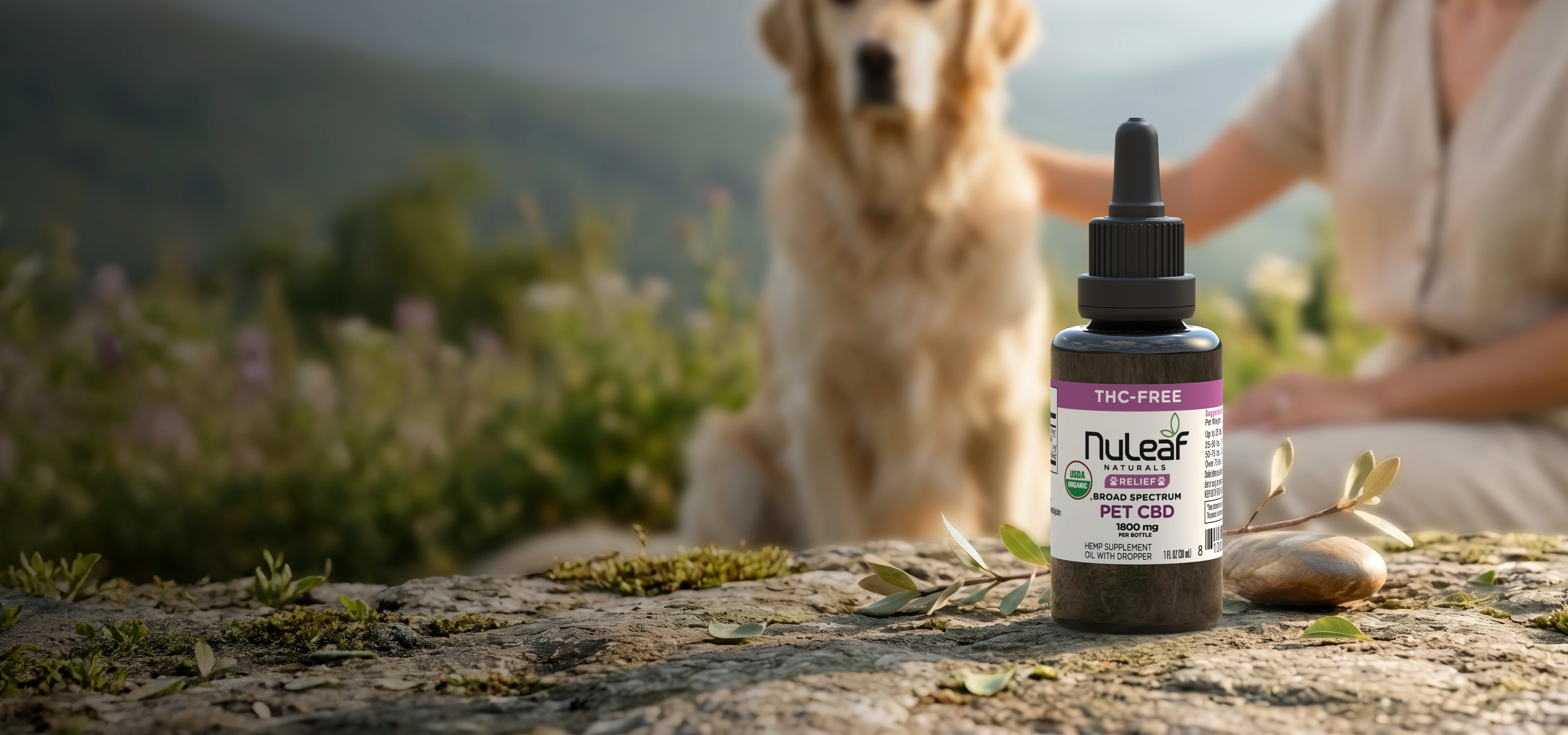
3. NuLeaf Naturals Pet CBD Oil (Organic): ($69 - $149) NuLeaf Naturals offers a high-concentration CBD oil derived from organic hemp. They are transparent about their COAs and extraction process. 4. Holistapet CBD Calming Chews (Organic): ($39 - $79) These chews are a convenient way to administer CBD, especially for picky eaters. Holistapet uses organic hemp and focuses on pet wellness.
5. Lazarus Naturals CBD Pet Oil (Synthetic Isolate): ($40 - $80) Lazarus Naturals offers a more affordable option with a focus on purity through synthetic CBD isolate. While lacking the entourage effect, it provides a consistent dose of CBD. It’s important to note that synthetic options are less common, but may be useful for pets with sensitivities.
Featured Products

USDA Organic certified hemp seed oil · Rich in Omega 3, 6, and 9 fatty acids · Supports relaxation, normal stress management, and joint health
This USDA Organic option is a great choice for pet owners prioritizing natural, high-quality ingredients and comprehensive wellness support.

Formulated for both dogs and cats · Aids in managing anxiety, pain, stress, and sleep issues · Provides hip and joint support
Billion Pets offers a versatile, synthetic CBD option that addresses a wide range of common pet ailments, making it a convenient choice for multi-pet households.

Aids in managing anxiety, pain, stress, and sleep issues · Supports hip and joint health · Available in calming treats form
Charlie & Buddy provides a budget-friendly synthetic CBD option, particularly appealing for pets who prefer treats over oils and for managing common discomforts.

Comes in a 2-pack for value · Aids in managing anxiety, pain, stress, and seizures · Supports skin, hip, and joint health
This 2-pack of organic pet hemp oil drops offers a cost-effective way to provide natural relief for a variety of pet health concerns, including skin and joint issues.
Aids in managing anxiety, pain, stress, and sleep issues · Supports hip and joint health · Available in calming treats form
This is a repeat listing for Charlie & Buddy's synthetic CBD treats, reinforcing its value as an accessible option for pets needing relief from anxiety, pain, and joint discomfort.
As an Amazon Associate I earn from qualifying purchases. Prices may vary.
Veterinary Perspectives & Legal Gray Areas
The veterinary community is still grappling with CBD. While many veterinarians acknowledge anecdotal reports of benefits for conditions like anxiety, pain, and seizures, there’s a lack of robust scientific evidence to support these claims. The Federal Register’s request for information (2024) indicates a desire to gather more data and establish clearer regulations.
Many veterinarians are hesitant to recommend CBD due to the legal ambiguity and lack of standardized dosages. They also worry about potential drug interactions and the quality control issues within the CBD market. Some states have specific regulations regarding veterinary CBD use, while others remain silent.
Hemp CBD is legal federally if it stays under 0.3% THC, but state laws are a mess. Some states have specific bans on CBD for animals. Check your local rules before buying. I'm not a lawyer, so treat this as a starting point, not legal counsel.
Increased research and regulatory clarity are needed to provide veterinarians with the guidance they need to confidently advise pet owners on CBD use. Until then, open communication with your veterinarian is essential.


No comments yet. Be the first to share your thoughts!