
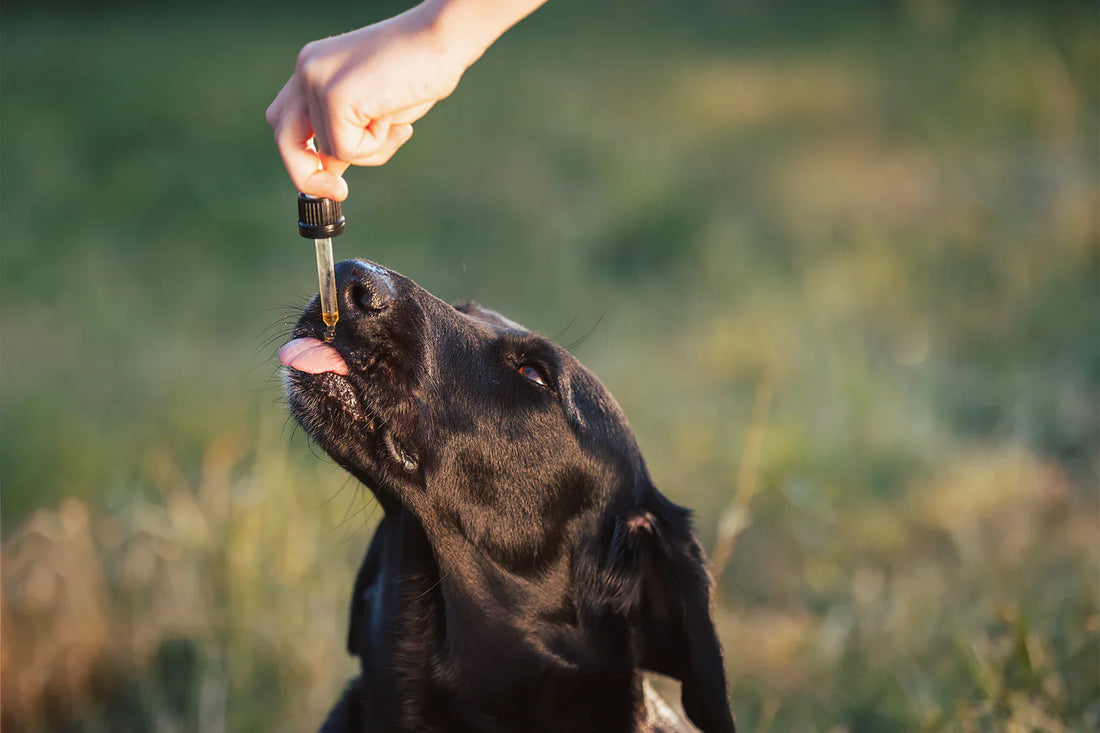
Start with a digital Pet CBD Finder
Before you drive to the nearest shop, use a digital Pet CBD finder to narrow down your options. These online tools act as a filter, showing you which local retailers currently stock the specific CBD products you need for your cat or dog. This step saves time and prevents wasted trips to stores that may be out of stock or carry brands you don’t trust.
Most finders work by asking for your city, state, or zip code, then displaying a list of nearby pet stores, specialty shops, or wellness centers. You can often filter results by product type, such as oils, chews, or topical balms. This helps you identify retailers that specialize in pet wellness rather than general pet supplies.
Call ahead to confirm inventory. Local stock levels change daily, and specific potencies or flavors might not be on the shelf. A quick phone call ensures the product you want is available and allows you to ask about third-party lab testing availability before you arrive.
Using these tools also helps you discover new, highly-rated local businesses. You can compare locations, read brief reviews, and check store hours. This digital reconnaissance turns a random search into a targeted shopping trip, ensuring you find trusted CBD without the guesswork.
Verify third-party lab results
Before you buy CBD for dogs or cats, ask for the Certificate of Analysis (COA). This document is your only proof that the product is safe and potent. Without a COA, you are guessing what is inside the bottle. Treat this step like checking the brakes on a used car; you wouldn’t drive without verifying they work.
1. Ask for the COA before paying. A trustworthy local shop will have this ready. If the staff hesitates or claims the lab is "on its way," walk away. Reputable brands like Honest Paws and Canna-Pet publish these results openly because they have nothing to hide.
2. Match the batch number. Scan the QR code on the bottle or find the batch ID on the label. Compare it to the date on the COA. The report must match the exact product and batch you are buying. A COA from six months ago is useless for today’s bottle.
3. Check for potency and contaminants. Look at the cannabinoid profile. The CBD amount should match the label. More importantly, check the contaminant panel. The product must test negative for pesticides, heavy metals, and residual solvents. If any of these are present, the product is not safe for your pet.
Find the right COA
Not all lab tests are equal. You need a report from an independent, third-party laboratory. In-house tests done by the manufacturer are not reliable. Look for labs with ISO 17025 accreditation. These standards ensure the testing methods are rigorous and the results are accurate.
Read the label carefully
The COA is technical, but you only need to check three things. First, confirm the CBD concentration. Second, ensure THC is below the legal limit (0.3% for hemp-derived products). Third, verify that no harmful contaminants are detected. If you are unsure how to read the data, ask the shop owner to explain the specific numbers for your pet’s size.
Trust your instincts
If a shop cannot provide a clear, recent COA, do not buy their CBD. Your pet’s health is too important to risk on unverified products. Stick to brands that are transparent about their testing processes.
Compare full-spectrum vs isolate options
Find Trusted CBD for Dogs and Cats at Local Shops works best as a clear sequence: define the constraint, compare the realistic options, test the tradeoff, and choose the path with the fewest hidden costs. That order keeps the advice usable instead of decorative. After each step, pause long enough to check whether the recommendation still fits the reader's actual situation. If it depends on perfect timing, unusual access, or a best-case budget, include a simpler fallback.
| Factor | What to check | Why it matters |
|---|---|---|
| Fit | Match the option to the primary use case. | A good deal still fails if it does not fit the job. |
| Condition | Verify age, wear, and service history. | Hidden condition issues erase upfront savings. |
| Cost | Compare purchase price with likely upkeep. | The cheapest option is not always the lowest-cost option. |
Check retailer reputation and sourcing
Find Trusted CBD for Dogs and Cats at Local Shops works best when the purchase path is explicit. Verify the source, compare the offer against real alternatives, check the total cost, and confirm what happens after payment before you decide. After each comparison, write down the one risk that would change your mind. If the seller, condition, support, warranty, shipping, or upkeep still feels uncertain, resolve that question before moving to checkout.
The simplest way to use this section is to verify the seller, compare the total cost, and resolve the biggest risk before you commit.
Final purchase checklist
Before you hand over payment, verify these details on the label. This quick scan ensures you are buying safe CBD for dogs and cats that actually matches the product's claims.
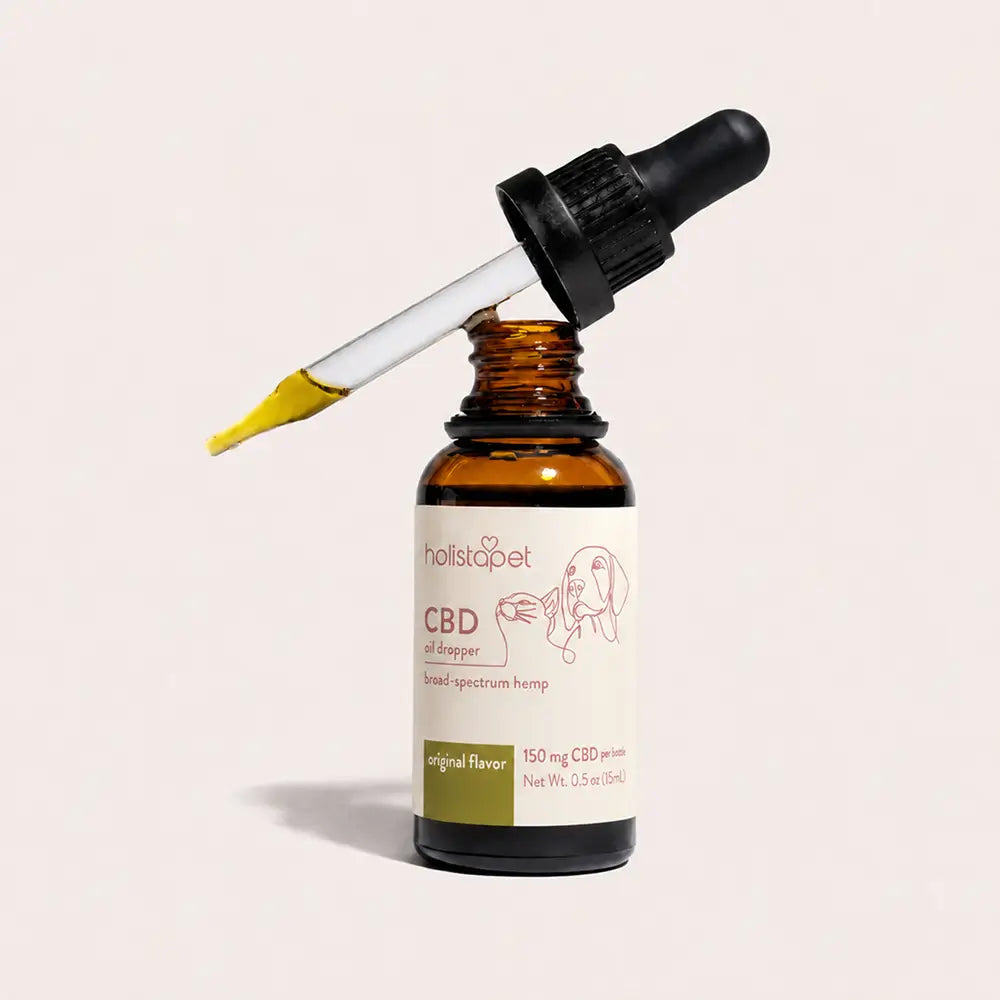
- Third-party lab results: Look for a QR code or link to a Certificate of Analysis (COA) from an independent lab. Confirm the report matches the specific batch number on your bottle.
- CBD concentration: Check the total milligrams of CBD per container and per serving. This helps you calculate the cost per mg and ensures the dosage is clear.
- Ingredient list: Choose products with minimal, recognizable ingredients. Avoid artificial flavors or unnecessary fillers that offer no benefit to your pet.
- Extraction method: Prefer products extracted using CO2 or ethanol. These methods leave fewer residual solvents compared to cheaper hydrocarbon extraction.
- Carrier oil: Verify the base oil is safe for pets. MCT oil (coconut-derived) is common and generally well-tolerated, while some pets may be sensitive to hemp seed oil.
-
Verify the Certificate of Analysis (COA) is available and matches the batch number.\nConfirm the total CBD content (mg) and serving size.\nCheck for third-party testing for heavy metals and pesticides.\nReview the ingredient list for safe
-
simple components.\nEnsure the extraction method (CO2 or ethanol) is clearly stated.
Common questions about pet CBD
Pet owners often have specific concerns before introducing CBD into their routine. Here are answers to the most frequent questions regarding safety, availability, and vet recommendations.
Work through 2026 Guide: How to Find Trusted CBD for Dogs & Cats at Local CBD Shops
No comments yet. Be the first to share your thoughts!