

CBD for Pets: A Quick Start
Interest in using CBD for pets has grown significantly, and for good reason. Many pet owners are exploring it as a potential way to support their animal companions’ wellbeing. CBD, or cannabidiol, is a compound found in hemp and cannabis plants. It's important to understand that while research is ongoing, CBD is not a miracle cure, but it may offer benefits for issues like anxiety, pain, and inflammation.
However, simply giving your pet any amount of CBD isn’t the answer. Proper dosage is absolutely critical. Too little might be ineffective, while too much could cause unwanted side effects. This is why understanding how to determine the right amount for your individual pet is so important. We’ll cover the factors influencing dosage, how to adjust for specific conditions, and where to find trustworthy products.
This guide aims to provide a solid foundation for understanding pet CBD dosage. We'll focus on providing information based on current understanding, and emphasize the need for responsible use and, ideally, veterinary guidance. Remember, every animal responds differently, and what works for one may not work for another. Finding the sweet spot requires careful observation and a personalized approach.
Decoding CBD Dosage: The Weight Factor
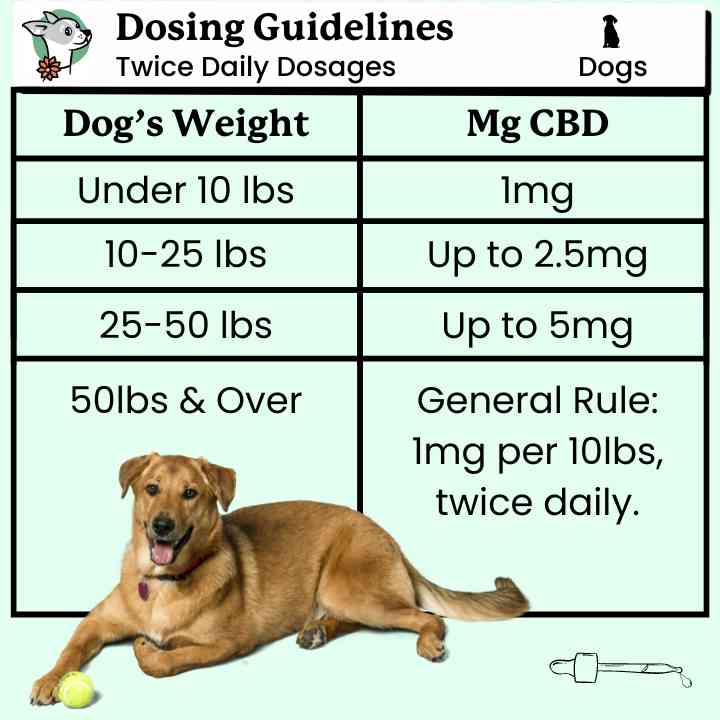
Calculating the correct CBD dosage for your pet often starts with their weight. A commonly cited starting point is 0.25 milligrams of CBD per pound of body weight (or approximately 0.5mg per kilogram). This serves as a general guideline, and it’s crucial to remember that it's not a one-size-fits-all solution. Factors beyond weight, which we'll discuss later, significantly influence the optimal dosage.
AllTheBestPetCare.com suggests a dosage range of 0.1 to 0.5 mg of CBD per pound of body weight, depending on the severity of the condition. They also note that it's better to start low and slowly increase the dosage until you observe the desired effect. For example, a 20-pound dog might start with 5mg of CBD, while a 50-pound dog might start with 12.5mg.
The variability between animals is considerable. Metabolism, age, and overall health all play a role in how CBD is processed. Some pets might require a slightly higher dose to achieve the same effect as others. Careful observation is key. Look for subtle changes in your pet's behavior or condition after administering CBD. Keep a journal to track dosage and effects—this is extremely helpful.
It's also important to consider the concentration of CBD in the product you're using. A higher concentration means you'll need to administer a smaller volume to achieve the desired dosage. Always read the product label carefully and calculate the dosage accordingly.
Beyond Weight: Condition-Specific Adjustments
While weight is a starting point, the condition you're addressing significantly impacts the appropriate CBD dosage. A pet with mild anxiety will likely require a lower dose than one experiencing chronic pain or seizures. Acute issues, like a sudden flare-up of arthritis, may necessitate a temporarily higher dose to manage symptoms effectively. Preventative care, such as using CBD to support overall wellness, usually calls for a lower, consistent dose.
For example, a dog with severe arthritis might benefit from a dosage closer to 0.5mg/lb, while a cat with mild anxiety might only need 0.1mg/lb. Determining the right dosage is a process of careful titration—gradually increasing the dose until you see a positive response. Again, this is where veterinary guidance becomes incredibly valuable.
Cornell University College of Veterinary Medicine has been involved in researching the potential uses of CBD in animals, particularly for conditions like osteoarthritis and epilepsy. Their research highlights the complex interaction between CBD and the endocannabinoid system, and the need for individualized treatment plans. While they don't provide specific dosage recommendations, their work underscores the importance of a scientific approach.
Seizures often require higher doses of CBD, and careful monitoring is essential. It's crucial to work closely with a veterinarian experienced in CBD therapy to ensure the safety and efficacy of treatment. Never attempt to treat seizures with CBD without professional guidance. Remember that CBD is not a substitute for conventional veterinary care, but it can be a valuable adjunct therapy.
- Mild Anxiety: 0.1-0.25mg/lb
- Moderate Pain: 0.25-0.5mg/lb
- Severe Pain/Seizures: 0.5-1mg/lb (under veterinary supervision)
CBD Dosage Adjustment Guide Based on Condition
| Dosage Adjustment | Anxiety | Arthritis | Seizures | Chronic Pain | General Wellness |
|---|---|---|---|---|---|
| Lower End of Range | May be suitable for mild, situational anxiety. Observe pet closely for effects. | Often a good starting point to assess tolerance and initial response. | Not generally recommended as a first-line approach; requires careful monitoring. | Consider for early-stage discomfort or preventative care. | Appropriate for routine support and maintaining overall wellbeing. |
| Mid-Range | Effective for moderate anxiety levels; adjust based on behavioral changes. | Commonly used for managing ongoing joint discomfort and improving mobility. | May be considered under veterinary guidance for frequency/severity assessment. | Suitable for moderate, persistent pain; monitor for improvements in activity level. | Beneficial for proactive health maintenance and supporting a balanced system. |
| Higher End of Range | Reserved for severe anxiety, potentially in conjunction with behavioral therapy. | May be necessary for advanced arthritis with significant pain and limited function. | Strictly under veterinary supervision due to potential interactions and monitoring needs. | For intense, debilitating pain; requires close observation for side effects. | Generally not recommended; potential for overstimulation or adverse reactions. |
| Requires Veterinary Consultation | Essential for anxiety unresponsive to standard doses or accompanied by other symptoms. | Crucial for assessing arthritis progression and adjusting treatment plans. | Mandatory for any seizure activity, diagnosis, and ongoing management. | Necessary for complex pain conditions or when other medications are involved. | Important to rule out underlying conditions before initiating CBD for wellness. |
Illustrative comparison based on the article research brief. Verify current pricing, limits, and product details in the official docs before relying on it.
CBD Product Types & Bioavailability
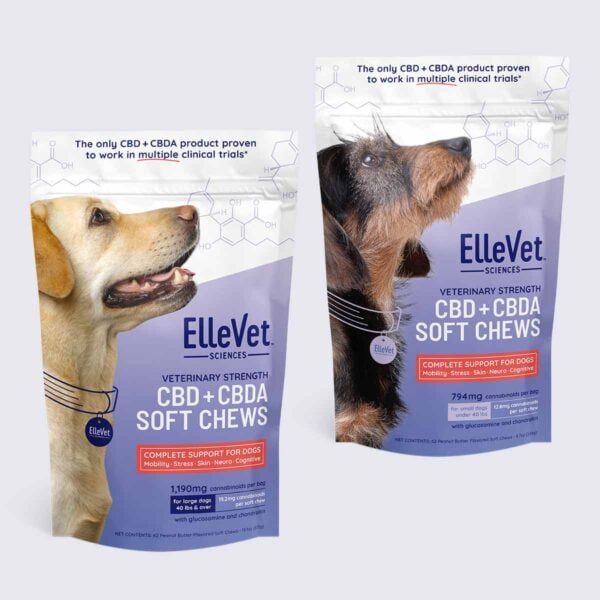
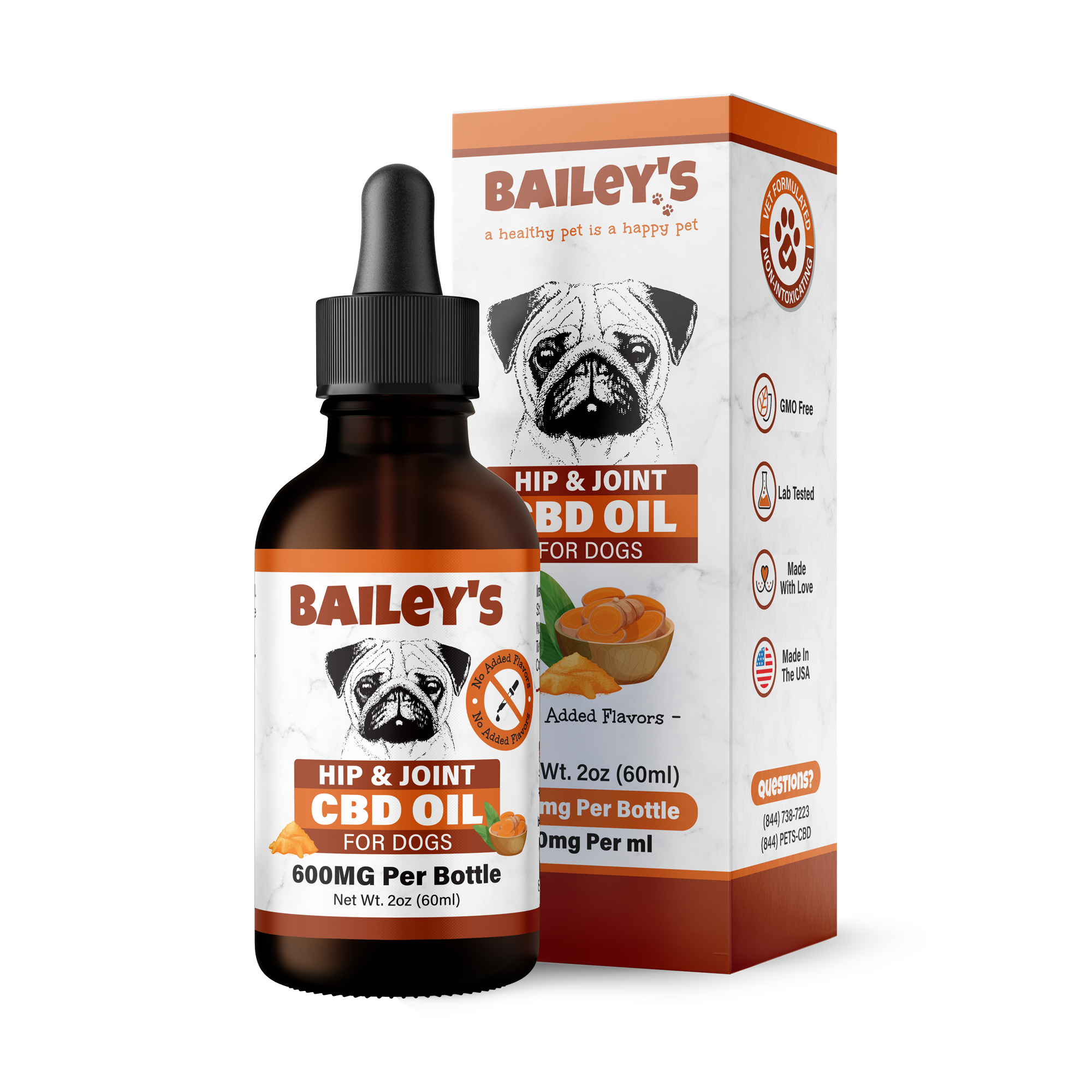
The form of CBD product you choose impacts how much CBD your pet actually absorbs, which is known as bioavailability. CBD oils generally have higher bioavailability than treats, as they can be absorbed directly into the bloodstream through the mucous membranes in the mouth. Sublingual administration (holding the oil under the tongue) further enhances absorption.
CBD treats are a convenient option, but they undergo digestion, which reduces bioavailability. The CBD has to pass through the digestive system and liver before entering the bloodstream, resulting in a lower percentage of the active compound reaching its target. Capsules offer a middle ground, but bioavailability can still be lower than with oils.
Topical CBD products, like creams and balms, are designed for localized relief and don't have the same bioavailability concerns as ingested products. They're best suited for addressing skin conditions or joint pain in specific areas. Honest Paws offers a variety of product types, including oils, bites, and capsules, allowing pet owners to choose the option that best suits their pet’s needs and preferences.
The type of CBD extract also matters. Full-spectrum CBD contains all the naturally occurring cannabinoids, terpenes, and flavonoids found in the hemp plant, including a trace amount of THC (less than 0.3%). Broad-spectrum CBD contains all the same compounds except THC. CBD isolate is pure CBD with no other cannabinoids. Full-spectrum and broad-spectrum CBD may offer an "entourage effect," where the different compounds work synergistically to enhance the overall benefits, but some owners prefer isolate for their pets.
CBD Product Comparison
- CBD Oils/Tinctures - Generally offer higher bioavailability as they are absorbed directly into the bloodstream when placed under the tongue (though many pet parents mix into food). Administration can be slightly tricky with some pets. Cost is moderate, varying widely by CBD concentration and brand (e.g., Holistapet offers various strengths).
- CBD Treats - The easiest method of administration, particularly for picky pets. Bioavailability is lower as the CBD is digested, reducing the amount entering the bloodstream. Cost per milligram of CBD can be higher than oils. Companies like JustCBD offer a range of treat options.
- CBD Capsules/Softgels - Provide a pre-measured dose, making them convenient. Similar to treats, bioavailability is reduced due to digestion. Can be hidden in food. Brands such as Innovet Pet offer capsule options.
- Topical CBD (Balms, Creams) - Best for localized issues like paw irritation or skin conditions. Very low bioavailability systemically (meaning little enters the bloodstream), as it primarily targets the area of application. Relatively cost-effective for targeted relief. PawMedica offers topical CBD solutions.
- Bioavailability Note - Bioavailability refers to the percentage of CBD that enters the bloodstream and is available for use by the body. Factors like the pet's metabolism and the product's formulation can significantly affect it.
- Ease of Administration Considerations - Consider your pet’s temperament and willingness to take medication. Oils require more direct administration, while treats are often readily accepted. Capsules can be hidden in food.
- Cost Comparison - CBD product costs vary greatly. Calculate the price per milligram of CBD to compare effectively, rather than just looking at the overall product price. Higher concentrations usually mean a lower cost per milligram.
Signs Your Pet is Responding (or Not)
Observing your pet closely after administering CBD is crucial. If CBD is working, you might notice reduced anxiety (less pacing, panting, or hiding), increased mobility (more willingness to walk or play), fewer seizures (reduced frequency or severity), or improved appetite. These changes can be subtle, so paying attention to your pet’s baseline behavior is essential.
However, CBD doesn't work immediately. It may take several days or even weeks to see noticeable effects. Be patient and consistent with the dosage. If you're not seeing any improvement after a reasonable period, it’s time to consider increasing the dose slightly, under veterinary guidance.
If the CBD isn’t having the desired effect, it doesn’t necessarily mean it won’t work at all. It might simply mean that the dosage is too low, or that a different product or delivery method is needed. It’s also possible that CBD isn’t the right solution for your pet’s condition.
Be aware of potential signs of over-administration, such as lethargy, incoordination, or excessive drooling. If you observe these symptoms, reduce the dosage immediately and consult with your veterinarian. It's always better to err on the side of caution.
Navigating CBD Laws & Product Quality
The legal landscape of CBD for pets is complex and varies significantly by state and country. While hemp-derived CBD is federally legal in the United States, regulations regarding its use in pet products are still evolving. Some states have specific laws governing the sale and use of CBD for animals, so it's important to be aware of the regulations in your area.
Choosing high-quality products from reputable brands is paramount. Look for products that have been third-party lab tested and come with a Certificate of Analysis (COA). A COA verifies the product’s potency (the amount of CBD it contains) and purity (the absence of contaminants like pesticides, heavy metals, and solvents).
Interpreting a COA can be tricky, but it’s essential. Make sure the COA matches the product label. Check for the CBD concentration and ensure it aligns with what’s advertised. Also, look for tests for contaminants and ensure they are below acceptable limits. A reputable brand will readily provide COAs for all their products.
PetCBDFinder provides a directory of pet-focused CBD stores and products, helping you find trusted sources. We strive to connect pet owners with brands that prioritize quality, transparency, and safety. Always do your research and choose products from companies that are committed to providing safe and effective CBD solutions for your furry friends.
Troubleshooting Common Dosage Challenges
Pet owners often face challenges when finding the right CBD dosage. Inconsistent results are common, as factors like stress, diet, and activity level can influence how CBD affects your pet. It’s important to maintain a consistent routine and avoid making sudden changes to your pet’s environment or diet.
Difficulty administering CBD is another frequent issue. Some pets are picky eaters and won’t readily consume CBD treats or oils. In these cases, you might try mixing the CBD oil with their food or using a flavored CBD product. Consult with your veterinarian for alternative administration methods.
Picky eaters can be a real hurdle. Try disguising the CBD oil in a small amount of wet food, peanut butter (xylitol-free!), or a tasty treat. If your pet refuses to consume the CBD, don't force it. Explore different product types or administration methods.
Ultimately, working with a veterinarian experienced in CBD therapy is the best way to overcome dosage challenges. They can provide personalized guidance, monitor your pet’s response, and adjust the dosage as needed. Don't hesitate to seek professional help if you're struggling to find the right balance.
Future Trends in Pet CBD
Research into pet CBD is rapidly evolving, with several exciting areas of exploration. Targeted delivery systems, such as liposomes and nanoparticles, are being investigated to improve bioavailability and enhance the effectiveness of CBD. These systems aim to deliver CBD directly to the cells that need it most.
Researchers are also exploring the potential benefits of combining CBD with other cannabinoids, such as CBG and CBN, to create synergistic effects. These combinations may offer broader therapeutic benefits and address a wider range of conditions. The study of the endocannabinoid system in different animal species is also gaining momentum.
While these advancements hold promise, it’s important to remain cautious and rely on evidence-based information. Avoid making assumptions or believing overly optimistic claims. The future of pet CBD hinges on continued research and responsible development.
As our understanding of the endocannabinoid system grows, we can expect to see even more targeted and effective CBD therapies for pets. This will ultimately lead to improved health and wellbeing for our animal companions.

No comments yet. Be the first to share your thoughts!