

Start with a brand store locator
Begin your search for a Pet CBD Finder by checking the official store locator on the brand’s website. Generic search results often mix verified retailers with third-party marketplaces that may not stock the specific product you want. Brand directories are the most reliable starting point because they list only authorized partners who have received direct training and inventory from the manufacturer.
This approach ensures you are looking at current stock levels and verified local shops. You avoid the guesswork of calling multiple stores to see if they carry your chosen brand. It also helps you identify retailers that specialize in pet wellness rather than general cannabis or vape shops, which may not handle pet products correctly.
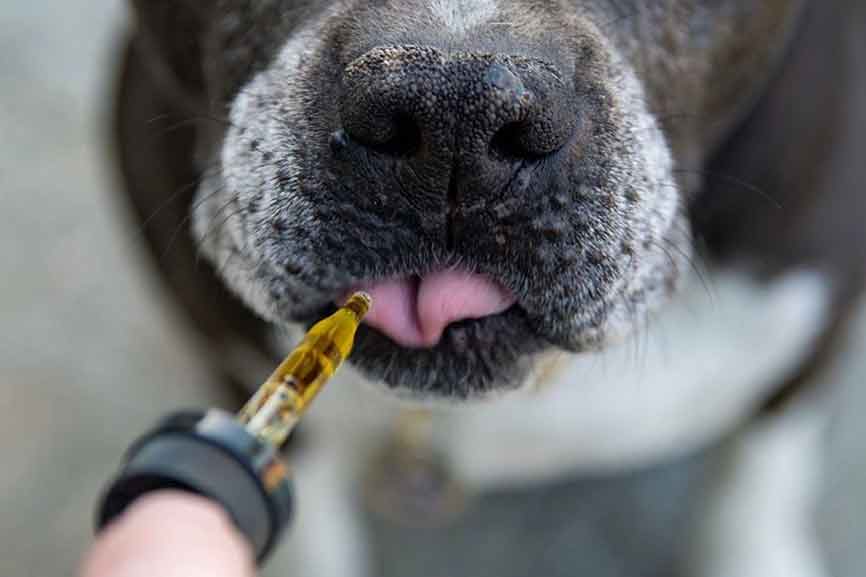
Navigate to the homepage of a reputable Pet CBD Finder brand. Look for a link in the main navigation or footer labeled "Store Locator," "Find Us," or "Locations." This page is dedicated exclusively to mapping out their authorized retail partners.
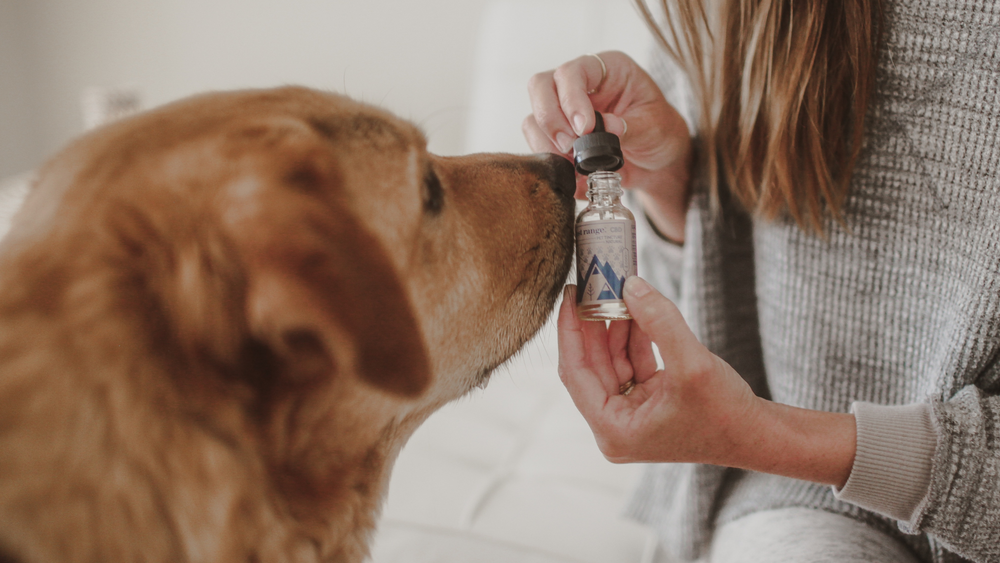
Input your city, state, or ZIP code into the search field. Most locators allow you to adjust the search radius, such as 10 or 25 miles, to find the nearest options. This filters the list to only those shops within a practical driving distance.
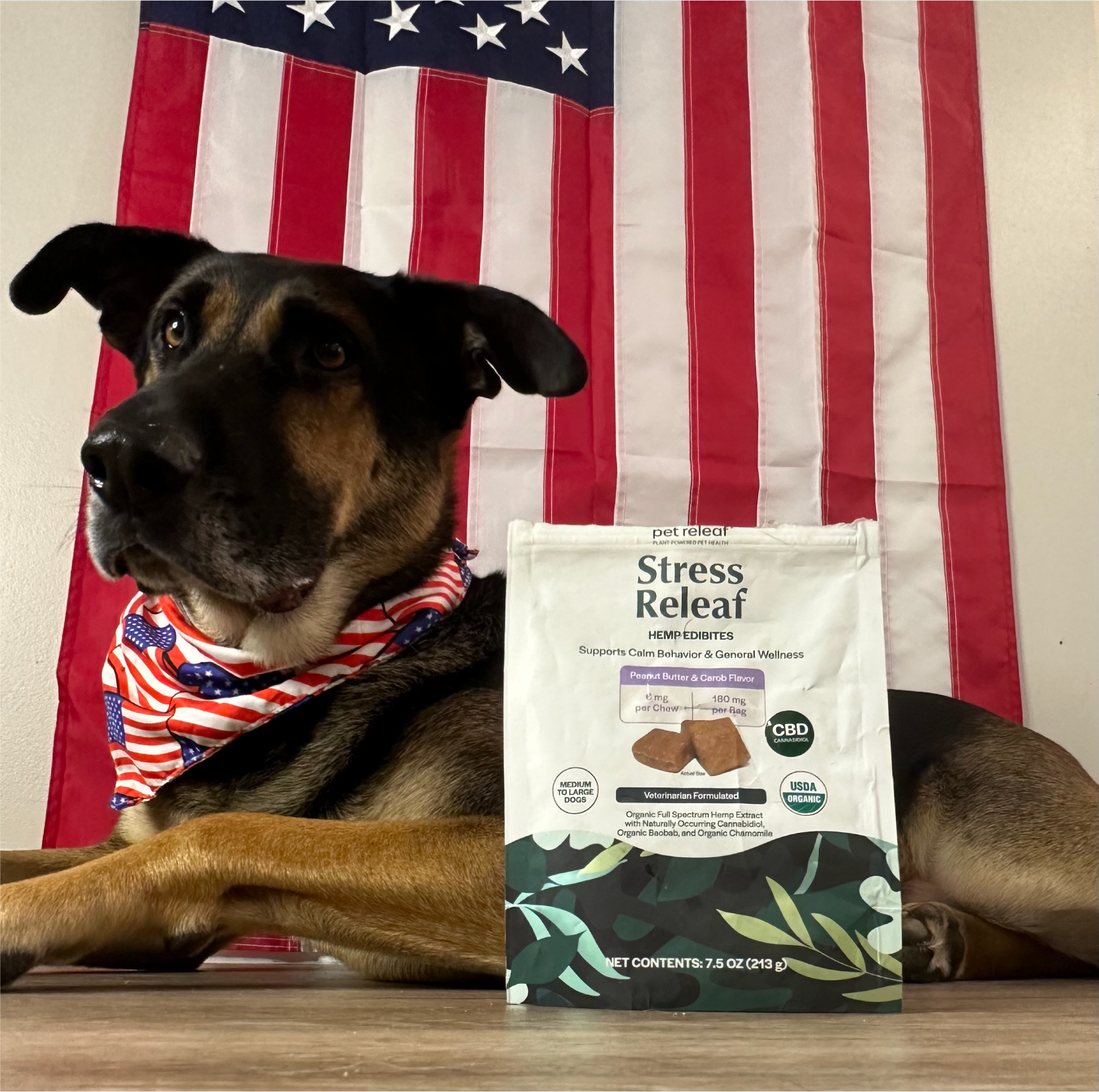
Review the resulting list for shop names, addresses, and contact information. Click into individual listings to confirm they carry the specific Pet CBD Finder products you need. Some brands also provide links to the retailer’s own website or social media for additional verification.
Using these official directories creates a trusted baseline. You can then cross-reference these names with local reviews or call ahead to confirm availability, but you start with a verified list rather than a random search engine result.
Verify local stock before visiting
Inventory for pet CBD varies significantly between retailers. Even if a store lists a specific brand or potency on its website, the physical shelves may be empty. This mismatch is common in the cannabis and CBD sector, where supply chains fluctuate and shelf space is limited.
Call the shop directly to confirm availability. Use the store locator on the retailer’s website to find the phone number, then ask specifically about the product you need. Mention the brand, the container size, and the milligram strength. Staff can check their back room or recent shipments if the display model is missing.
If the shop does not have the item, ask if they can order it for you. Some local dispensaries and pet boutiques have relationships with regional distributors that allow for next-day pickup. This step prevents wasted trips and ensures you leave with the correct dosage for your pet.
Check third-party lab results
A pet CBD finder narrows down local shops, but it doesn’t verify the safety of what they sell. You are the final checkpoint. Before purchasing any product, you must confirm that the brand has provided up-to-date Certificates of Analysis (COAs) from an independent laboratory. These documents are the only proof that the product actually contains what the label claims and is free from harmful contaminants.
When you access a COA, you are looking for a specific set of data points. The report should clearly state the cannabinoid profile, confirming the amount of CBD and ensuring THC levels remain below the legal limit of 0.3%. Equally important is the contaminant screening. A valid COA will test for heavy metals, pesticides, residual solvents, and microbial impurities like mold or bacteria. If any of these tests are missing, the product is not safe for your pet.
To make this verification quick, you can compare the key elements you need to see on a report.
| What to Check | Why It Matters |
|---|---|
| CBD Potency | Confirms the product contains the advertised amount of active ingredient. |
| THC Level | Ensures THC is below 0.3% to avoid psychoactive effects in pets. |
| Contaminants | Verifies the absence of pesticides, heavy metals, and mold. |
| Test Date | Confirms the sample is recent and the product batch is current. |
Always match the batch or lot number on the product packaging to the number on the COA. A generic report posted on a website may not apply to the specific bottle you are holding. If a local shop cannot provide a COA that matches the exact batch number, walk away. Your pet’s safety depends on this verification step.
Compare local vs online options
Choosing between a local pet shop and an online directory comes down to two variables: time and budget. Local shops offer immediate access and the ability to inspect packaging, but they often carry limited inventory. Online directories provide a broader selection of brands and typically lower prices due to reduced overhead.
Use the comparison below to weigh the trade-offs. Local purchases are best for urgent needs or when you want to build a relationship with a nearby vendor. Online orders make more sense for bulk buying or when specific brands are unavailable in your area.
| Feature | Local Shop | Online Directory |
|---|---|---|
| Price | Higher (retail markup) | Lower (direct or wholesale pricing) |
| Selection | Limited (1-3 brands) | Broad (10+ brands) |
| Availability | Immediate pickup | 2-5 day shipping |
| Verification | Physical inspection | Lab reports online |
If you need CBD for your pet right now, start with a local shop. If you are looking for the best value or a specific product, check an online directory first. Most reputable online sellers provide third-party lab results, which you can review before buying. This eliminates the guesswork often found in smaller local inventory.
-
Do you need the product today?
-
Is a specific brand required?
-
Do you want to compare prices across multiple vendors?
Common mistakes when buying locally
Shopping for pet CBD at a local store feels safer than ordering online, but the lack of a digital paper trail can lead to quick errors. You are on your own to verify quality before you leave the counter. Avoid these three frequent pitfalls to ensure you are getting a safe product for your dog or cat.
Skipping the Certificate of Analysis
The most dangerous mistake is buying a bottle without a recent Certificate of Analysis (COA). A valid COA is a lab report that proves what is actually inside the bottle. It confirms the CBD level and, more importantly, checks for contaminants like heavy metals or pesticides.
If a shop owner cannot produce a current COA for the specific batch you are buying, walk away. Do not rely on general brand reputation. Local inventory rotates quickly, and a certificate from six months ago may not reflect the current bottle’s contents. Ask to see the QR code or the PDF directly on your phone.
Ignoring Expiration Dates
CBD oil degrades over time. Unlike dry treats, liquid tinctures lose potency and can change consistency as the carrier oil goes rancid. Local shops often receive shipments from various distributors, meaning stock levels vary widely.
Check the bottom of the bottle for a printed expiration date or a "best by" month and year. If the date is within six months, the product may not provide the full benefit you paid for. If there is no date printed, ask the staff when the shipment arrived. If they don't know, it is a red flag.
Buying Unverified Brands
Just because a product is on a local shelf does not mean it has been vetted. Some local retailers stock generic or white-label brands to maximize margins. These products often lack third-party testing or use low-quality hemp extracts.
Stick to established brands that are transparent about their sourcing. Look for brands that publish their lab results on their own websites. If the brand is unknown and the price seems too good to be true, it likely is. A small local shop is a great resource for recommendations, but never assume every item on the rack is high-quality.
No comments yet. Be the first to share your thoughts!