
Getting started with pet CBD
Cannabidiol, or CBD, is becoming increasingly popular as a potential wellness supplement for dogs and cats. People are exploring it for a wide range of reasons, from easing anxiety and supporting joint health to managing discomfort. It's easy to see why – many pet owners are looking for natural ways to improve their companions' quality of life. But with any supplement, responsible use is paramount.
This article is about finding the right CBD dosage for your pet, and more importantly, doing so safely. While anecdotal evidence and some preliminary research suggest benefits, it’s crucial to remember that veterinary research into CBD is still developing. We’ll focus on a cautious approach, providing information to help you navigate this evolving area and make informed decisions alongside your veterinarian. It's about exploring potential benefits with a strong emphasis on wellbeing.
I think it’s important to be realistic. CBD isn’t a miracle cure, and it won't work for every pet. However, when used thoughtfully, it can be a valuable tool in supporting your animal’s health.
Using weight as a baseline
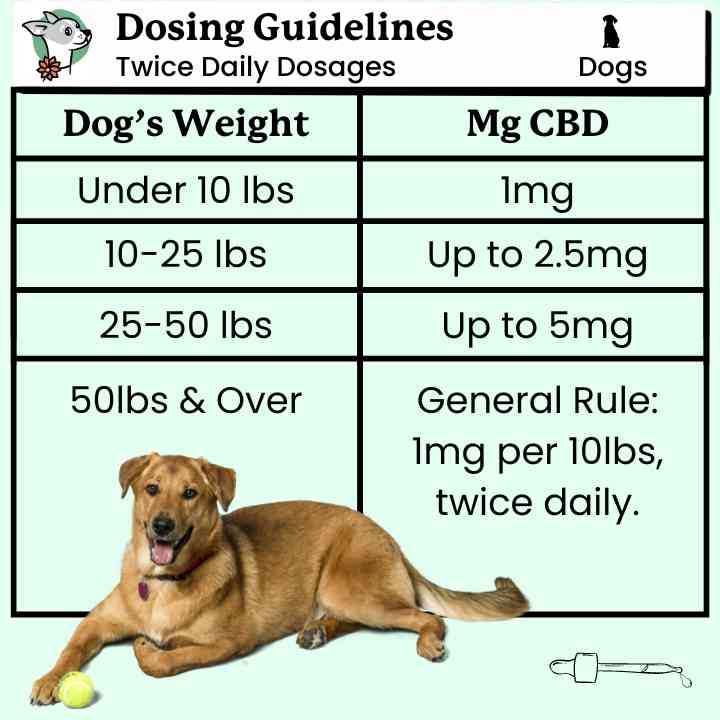
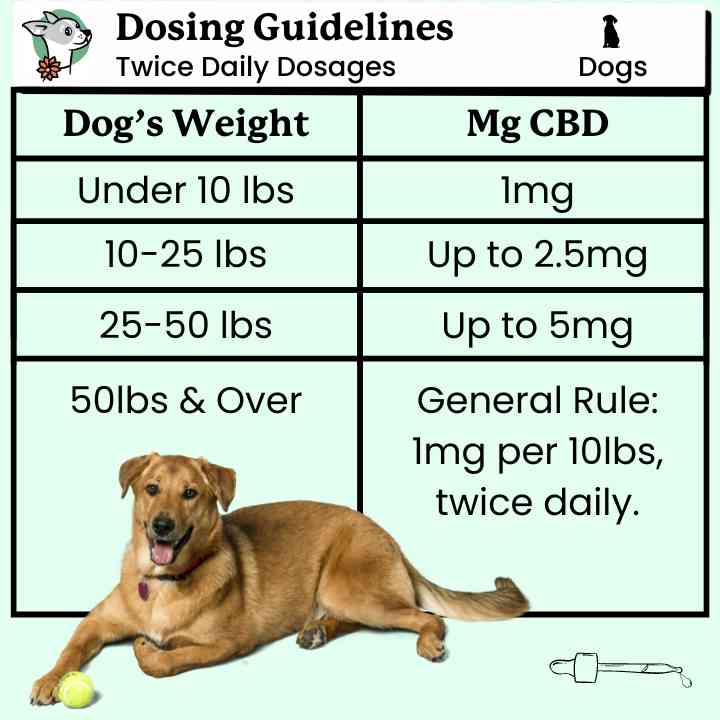
The most common way to determine a starting CBD dosage for your pet is based on their weight. A general guideline is to begin with 0.1 to 0.5 milligrams of CBD per pound of body weight. So, a 20-pound dog might start with 2 to 10 milligrams of CBD. This is a broad range, and it's definitely not a one-size-fits-all solution. It’s a place to begin observation, not a final answer.
Weight matters because it dictates how much CBD actually reaches the bloodstream. A 100-pound Great Dane needs more than a 10-pound Terrier to feel the same effect. Cornell University's 2018 study on osteoarthritic dogs suggests that even with weight-based dosing, individual metabolism varies, so caution is better than speed.
It’s also important to understand that this weight-based calculation is just a starting point. You’ll need to carefully monitor your pet’s response and adjust the dosage accordingly. Don’t be afraid to start at the very low end of the range and gradually increase it, observing for any effects – or lack thereof.
Factors that change the dose
Determining the right CBD dosage isn't as simple as a calculation based on weight. The severity of your pet’s condition plays a huge role. A pet with mild anxiety might require a much lower dose than one dealing with chronic pain or a more serious health issue. Individual metabolism also varies significantly. Just like people, some pets process substances more quickly than others.
The type of CBD product you’re using is another critical consideration. CBD oil or tincture, typically administered under the tongue, usually has higher bioavailability – meaning more of the CBD is absorbed into the bloodstream. This often allows for a lower dose to achieve the same effect compared to, say, a CBD-infused treat. Treats have to go through the digestive system, which reduces the amount of CBD that actually gets absorbed.
Bioavailability changes the math. Treats have to pass through the liver and digestive tract, which destroys a chunk of the CBD before it can work. Oils given under the tongue hit the bloodstream faster. If you switch from treats to oil, you'll likely need to drop the dose to avoid making your pet too sleepy.
Consider your pet’s overall health. A pet with liver issues, for example, might process CBD differently, and a lower dose might be necessary. It’s really about understanding that each animal is unique and requires a personalized approach.
How product types affect absorption
The market offers a wide variety of CBD products for pets, each with its own advantages and disadvantages. These include CBD oils/tinctures, capsules, chews/treats, and topical applications like balms. Understanding how each delivery method impacts absorption and duration of effect is crucial for effective dosing.
Oils and tinctures are generally considered the most bioavailable option. When administered sublingually (under the tongue), the CBD is absorbed directly into the bloodstream, bypassing the digestive system. This results in faster onset and higher concentration. Capsules provide a pre-measured dose, but absorption is slower as they need to be broken down in the stomach.
Chews and treats are convenient, but they have the lowest bioavailability. A significant portion of the CBD is lost during digestion. Topical products, like balms, are designed for localized relief and are absorbed through the skin. They are best suited for addressing skin conditions or joint pain in specific areas. Honest Paws offers a helpful chart outlining these differences (honestpaws.com).
Ultimately, the best product type depends on your pet’s preferences and your specific goals. Some pets dislike the taste of oil, while others might find it easier to take a treat.
Comparing CBD Product Types for Pets
| Product Type | Bioavailability | Onset Time | Duration of Effect | Ease of Administration | Palatability |
|---|---|---|---|---|---|
| Oil | High | Fast | Short to Medium | Medium | Generally Good (can be masked in food) |
| Capsule | Medium | Medium | Medium to Long | High | Neutral (may require hiding in food) |
| Chew | Medium | Medium | Medium | High | High (often flavored) |
| Topical | Low | Localized, Fast | Localized, Short | Medium | Generally Good (depending on carrier oil) |
Illustrative comparison based on the article research brief. Verify current pricing, limits, and product details in the official docs before relying on it.
When to adjust the amount
Careful observation is the most important part of finding the right CBD dosage. You need to be attuned to your pet’s behavior and look for signs that the current dose is either insufficient or excessive. If you're not seeing any improvement in your pet’s condition after a week or two, it might be necessary to gradually increase the dosage.
Conversely, if your pet exhibits signs of overdoing it, you need to reduce the dose immediately. Common signs of excessive CBD include lethargy, drowsiness, diarrhea, loss of appetite, and incoordination. These effects are generally mild and temporary, but it’s always best to err on the side of caution.
AllTheBestPetCare.com provides a good overview of these potential side effects (allthebestpetcare.com). Remember that every pet reacts differently, and what works for one animal might not work for another. Keep a journal to track the dosage, your pet’s response, and any observed side effects. This will help you fine-tune the dosage over time.
Don’t make rapid changes. Adjust the dosage in small increments, allowing several days between each adjustment to fully assess the effects.
CBD and Existing Medications: Potential Interactions
CBD can interact with certain medications, particularly those metabolized by the liver's cytochrome P450 enzyme system. This means CBD can either increase or decrease the concentration of other drugs in your pet’s bloodstream, potentially leading to unwanted side effects or reduced effectiveness of the medication.
This is why discussing CBD use with your veterinarian is absolutely essential, especially if your pet is already taking any medications. Your vet can assess potential interactions and advise you on whether CBD is safe for your pet, and if so, how to adjust the dosage of other medications if necessary.
It's a serious consideration. Don't simply assume that CBD is safe to combine with other drugs. It's also important to inform your vet about the specific CBD product you’re using, including the dosage and concentration of CBD.
Finding a Vet Knowledgeable About CBD
Unfortunately, not all veterinarians are comfortable discussing or recommending CBD. This is largely due to the limited research and the legal complexities surrounding CBD. However, there is a growing number of vets who are open-minded and informed about the potential benefits of CBD.
Start by asking your current vet if they have any experience with CBD. If not, you can seek out a veterinarian who specializes in holistic or integrative medicine. The American Holistic Veterinary Medical Association (AHVMA) is a good resource for finding qualified vets (ahvma.org).
I understand it can be frustrating if your vet is hesitant. Sometimes, simply having an open and honest conversation can help. Be prepared to share any research you’ve done and explain why you’re interested in trying CBD for your pet.
No comments yet. Be the first to share your thoughts!