

Organic CBD: A Growing Movement
Pet owners are increasingly focused on the purity and sourcing of products for their companions. Concerns about pesticides, heavy metals, and other contaminants are driving a shift toward organic CBD options for pets.
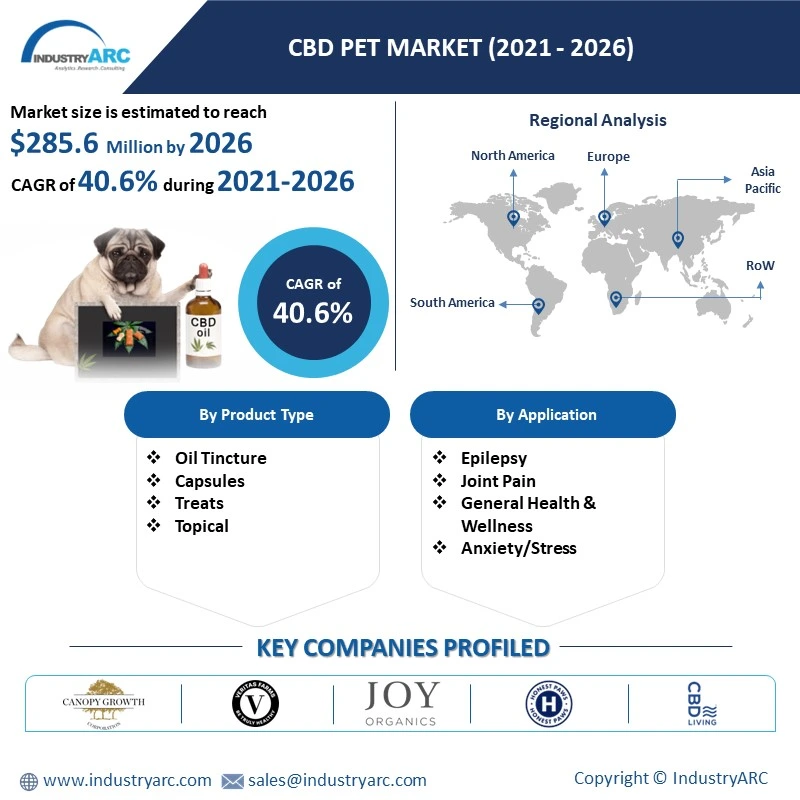
For pet products, 'organic' certification generally means adherence to USDA Organic standards. This requires the hemp used for CBD extraction to be grown without synthetic pesticides, herbicides, or fertilizers, and covers the product's processing and handling. The global pet CBD market was valued at around $770 million in 2023 and is projected to reach nearly $2.1 billion by 2026, according to Grand View Research.
This growth reflects changing consumer expectations. Pet owners seek holistic wellness solutions with an emphasis on quality and are willing to pay more for trusted products, with organic certification being a key factor. This is prompting manufacturers to prioritize transparency and rigorous testing.
Awareness of risks from non-organic CBD products is another driver. Without organic certification, there's a higher chance of exposure to harmful chemicals, which is concerning for pets often more sensitive to toxins than humans. Avoiding these risks motivates many pet owners, supporting the organic CBD sector's growth.
Decoding Organic Certifications
USDA Organic certification is the gold standard in the United States, involving rigorous inspections, record-keeping, and strict guidelines. However, certifying entire CBD products is challenging due to legal gray areas, leading some certifiers to only certify the hemp source itself.
Other certifications from hemp farming organizations can be valuable, focusing on sustainable practices, soil health, or extraction methods. It’s important to research these certifications to understand their guarantees, as they vary in comprehensiveness and credibility.
Organic certification doesn't guarantee the absence of all contaminants; trace amounts may still be present. It also doesn't address the quality of the CBD extraction process, meaning organically grown hemp can still result in a subpar product if extraction is not done properly.
Challenges in obtaining organic certification for CBD are tied to hemp's federal legality. While hemp-derived CBD is federally legal, the FDA's unclear regulations for CBD products create uncertainty for manufacturers and certifiers, adding complexity to the certification process.
Top 8 Organic CBD Products for Pets (2026)
Selecting an organic CBD product for your pet can be challenging due to the wide variety of options and varying quality. Here are eight highly-rated products, as of late 2023/early 2024, that receive positive feedback. All are available through the PetCBDfinder.com directory.
1. Kota Botanics Premium CBD Oil: This full-spectrum CBD oil is sourced from organically grown hemp in Colorado. It’s available in various strengths, making it suitable for pets of all sizes. Price range: $39 - $129. Best for: anxiety, pain, and overall wellness. It's known for its high potency and clean extraction process.
2. CBDistillery CBD Pet Oil: A popular choice for its affordability and quality. CBDistillery uses third-party testing to ensure potency and purity. Price range: $20 - $80. Best for: mild anxiety and general well-being. It’s a good entry point for pet owners new to CBD.
3. EASE Mushrooms for Dogs (CBD Dog Health): A unique blend of functional mushrooms and full-spectrum CBD designed to support cognitive health and overall wellness. Price range: $69 - $99. Best for: senior dogs, cognitive decline, and immune support. This product offers a novel approach to pet health.
4. Holistapet Organic CBD Oil: Holistapet focuses on organic and sustainable practices. Their CBD oil is made with a blend of hemp seed oil and MCT oil for enhanced absorption. Price range: $45 - $150. Best for: pets with sensitive stomachs or allergies. They offer a variety of formulations.
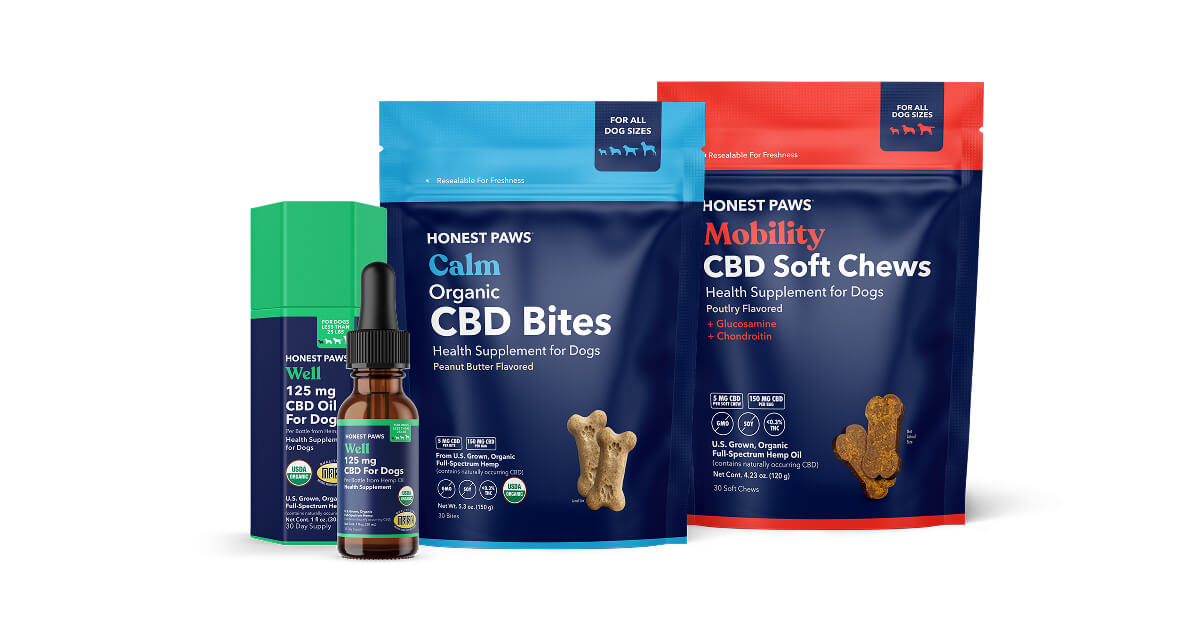
5. Honest Paws Calm Bites: These soft chews are infused with organic CBD and other calming ingredients like chamomile and L-theanine. Price range: $35 - $100. Best for: anxious dogs and cats. They’re a convenient and palatable option.
6. Penelope’s Bloom CBD Oil: Penelope’s Bloom is committed to quality and transparency. Their CBD oil is made with organically grown hemp and is rigorously tested for potency and purity. Price range: $50 - $180. Best for: pets with chronic pain or inflammation. Offers a wide range of strengths.
7. Super Snouts CBD Dog Treats: These treats are made with organic CBD and wholesome ingredients like sweet potato and apple. Price range: $25 - $75. Best for: picky eaters and pets who enjoy treats. A convenient way to administer CBD.
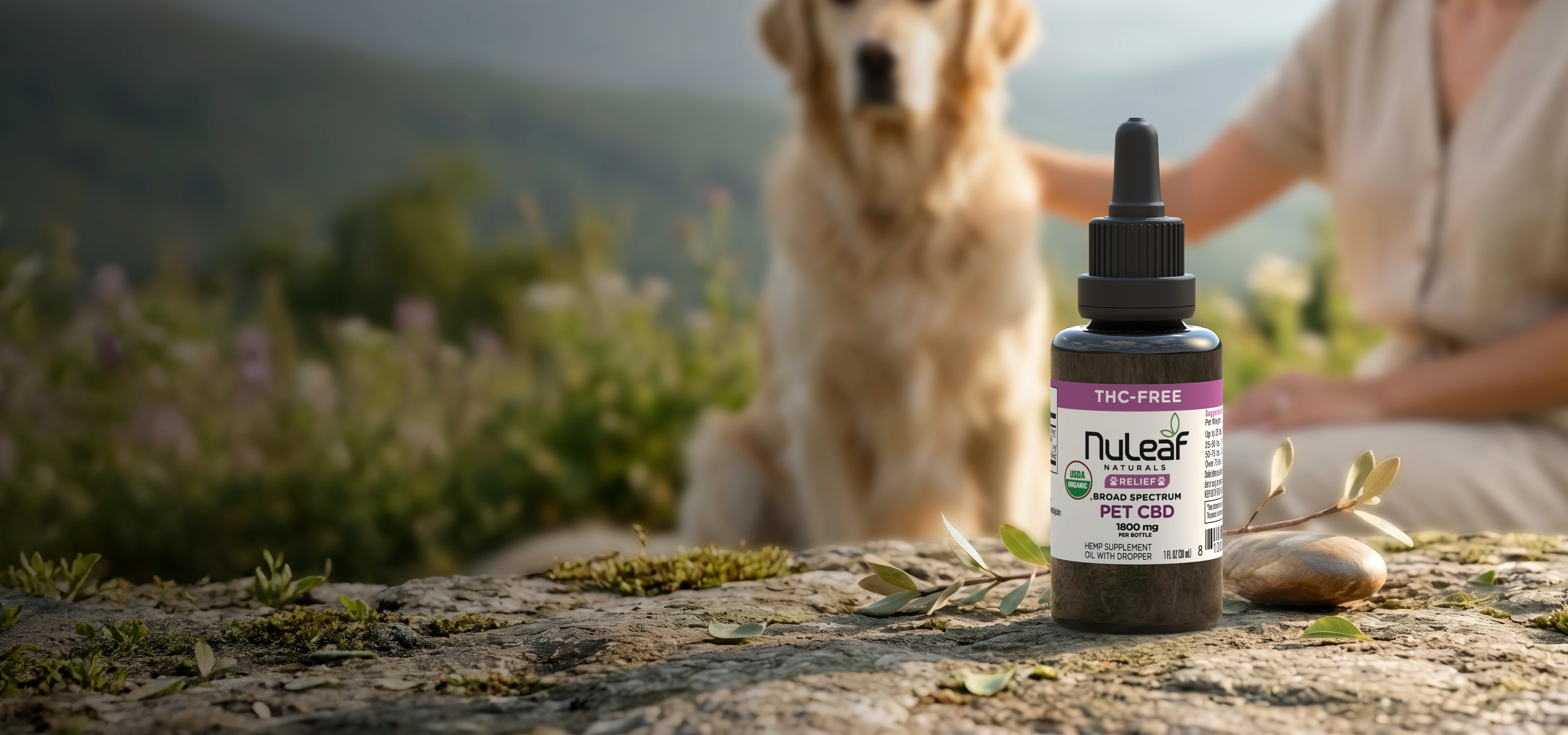
8. NuLeaf Naturals Pet CBD Oil: NuLeaf Naturals is known for its high-quality, full-spectrum CBD oil. They use CO2 extraction to ensure purity and potency. Price range: $39 - $199. Best for: pets with serious medical conditions. They are known for their consistency and quality.
Featured Products

Formulated for both dogs and cats · Aids in managing anxiety, pain, stress, and sleep issues · Provides hip and joint support
This organic hemp oil is a versatile, highly-rated option for addressing common pet discomforts and promoting overall well-being.

Soft chews designed for cats · Helps alleviate anxiety and stress, and can prevent biting · Chicken flavor for palatability
These calming treats offer a convenient and palatable way to soothe cats during stressful situations like travel or vet visits.
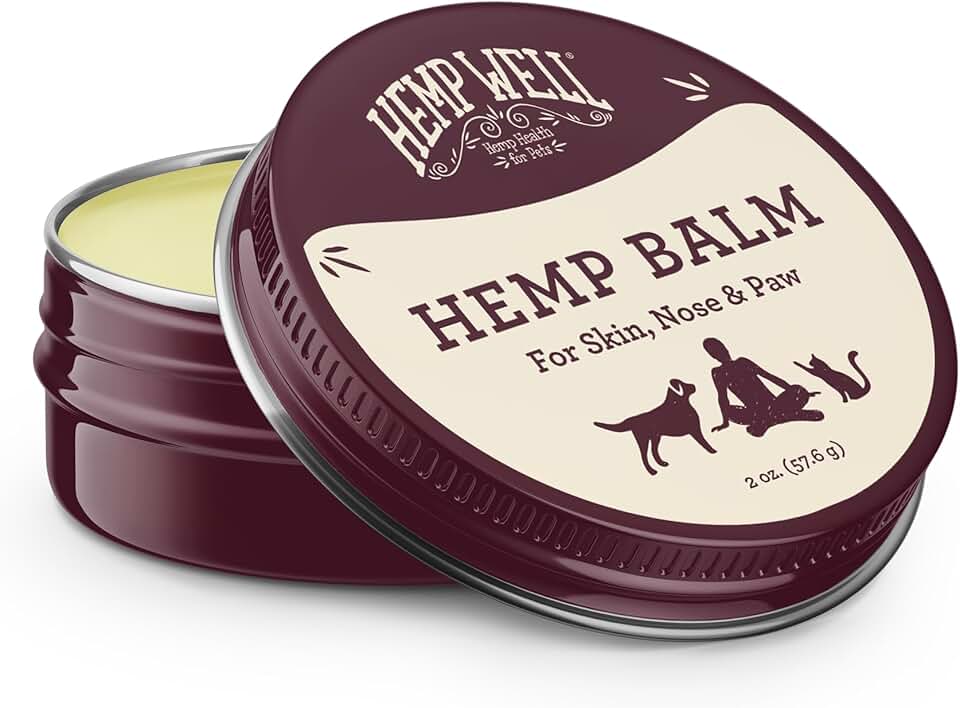
Organic balm suitable for pets and humans · Soothes dryness and cracking on paws, skin, and noses · Formulated with hemp for natural relief
This organic hemp balm provides targeted, natural relief for dry and cracked skin on both pets and people, making it a multi-purpose wellness product.
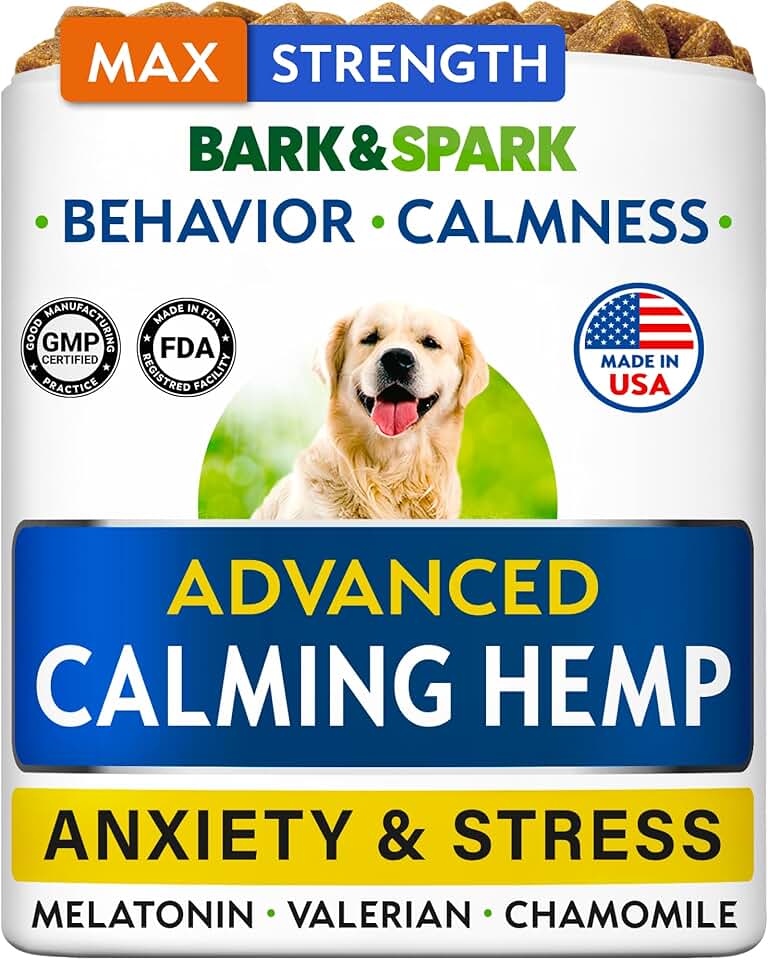
Advanced calming chews for dogs · Contains hemp oil and melatonin for anxiety relief · Aids in managing separation anxiety, fireworks, storms, and aggressive behavior
These advanced chews are a top-rated choice for dogs experiencing significant anxiety and stress, utilizing a blend of natural ingredients for effective calming.
As an Amazon Associate I earn from qualifying purchases. Prices may vary.
Local Dispensaries: Finding Certified Retailers
Shopping at a local dispensary offers personalized advice and direct Q&A opportunities. Finding a certified organic CBD retailer requires due diligence, with the PetCBDfinder.com directory being a good starting point for searching stores by certification status.
When visiting a local dispensary, ask about sourcing practices, including hemp origin, extraction methods, and third-party lab testing results. A reputable dispensary will be transparent and thorough in answering questions.
undefined the store. A clean, well-organized environment is a good sign.
Verifying a store’s credentials can involve contacting the certifying organization directly. Most certifiers have online databases where you can verify the validity of a certification. Don’t be afraid to do your research and ask for proof. Your pet’s health is worth it.
Dispensary Comparison: Key Features for Organic Pet CBD (2026 Trends)
| Dispensary Feature | Option 1 | Option 2 | Option 3 |
|---|---|---|---|
| Product Variety | High | Medium | Low |
| Staff Expertise | Medium | High | Medium |
| Price Range | Medium | Low | High |
| Organic Certification Verification | Medium | High | Low |
| Return Policy | Medium | Medium | Low |
| Brand Selection | High | Medium | Medium |
| Customer Support | Medium | High | Low |
Illustrative comparison based on the article research brief. Verify current pricing, limits, and product details in the official docs before relying on it.
CBD Formulations: Oils, Treats, and Beyond
CBD comes in a variety of formulations, each with its own pros and cons. Oils are generally considered to have the highest bioavailability, meaning a larger percentage of the CBD is absorbed into the bloodstream. They also allow for precise dosage control, which is especially important for smaller pets. However, some pets may not enjoy the taste of CBD oil.
Treats and chews offer a more palatable option, making them ideal for picky eaters. They’re also convenient and easy to administer. However, the bioavailability of CBD in treats is typically lower than in oils. The absorption rate can also be affected by the other ingredients in the treat.
Chews, like long-lasting dental chews infused with CBD, provide a sustained release of the compound. This can be beneficial for pets with chronic conditions. Topical solutions, such as balms and creams, are designed for targeted relief of skin irritations or joint pain. They’re applied directly to the affected area.
The best formulation for your pet will depend on their individual needs and preferences. For anxiety, oils or treats can be effective. For pain, a combination of oil and topical solutions may be beneficial. For skin issues, a topical balm is often the best choice. Remember to start with a low dose and gradually increase it as needed, always consulting with your veterinarian.
Ingredient Spotlight: What Else Is Inside?
Organic CBD products often contain additional ingredients designed to enhance their benefits. MCT oil (medium-chain triglycerides) is a common carrier oil that improves CBD absorption. Glucosamine and chondroitin are often added to products for joint health, while chamomile is known for its calming properties. These ingredients can be beneficial, but it’s important to be aware of potential allergies or sensitivities.
Some products may also contain ingredients like turmeric, ginger, or omega-3 fatty acids, all of which have anti-inflammatory properties. However, it’s important to read the ingredient list carefully and avoid products that contain artificial flavors, colors, or preservatives. These additives can be harmful to your pet.
Pet owners should also be cautious of products containing high levels of sugar or salt. These ingredients can contribute to health problems like obesity and diabetes. Always prioritize products with simple, natural ingredient lists. If you’re unsure about an ingredient, consult with your veterinarian.
Ultimately, a high-quality organic CBD product should contain CBD as the primary active ingredient, along with a few carefully selected supporting ingredients. A shorter, more transparent ingredient list is generally a good sign.
- Avoid: Artificial flavors, colors, and preservatives
- Look for: MCT oil, glucosamine, chondroitin, chamomile
- Caution: High levels of sugar or salt
Future Trends: What to Expect by 2026
The organic pet CBD market is poised for continued growth and innovation in the coming years. We can expect to see more stringent regulations as the FDA continues to evaluate the legality of CBD. This will likely lead to increased standardization and quality control across the industry.
Increased research into the benefits of CBD for pets is also on the horizon. As more studies are conducted, we’ll gain a better understanding of the optimal dosages and formulations for different conditions. This research will drive the development of more targeted and effective CBD products.
We may also see the emergence of new product formulations, such as CBD-infused probiotics or personalized CBD blends tailored to individual pet needs. The use of nanotechnology to enhance CBD absorption is another area of potential innovation. The focus will likely shift towards whole-plant extracts, emphasizing the entourage effect.
Finally, consumer demand for transparency and sustainability will continue to grow. Pet owners will increasingly seek out brands that prioritize organic farming practices, ethical sourcing, and environmental responsibility. This will put pressure on manufacturers to adopt more sustainable business models.
Navigating Legalities & Testing
The legal landscape of CBD for pets varies significantly by state. While hemp-derived CBD is federally legal, some states have specific regulations regarding its sale and use. It’s important to check your state’s laws before purchasing or administering CBD to your pet. The legality doesn't guarantee safety or quality, though.
Third-party lab testing is crucial for ensuring the quality and safety of CBD products. A Certificate of Analysis (COA) provides detailed information about the product’s CBD content, THC levels, and contaminant screening. Always look for products that have a readily available COA from a reputable lab.
Verifying the authenticity of a COA can be challenging. Look for a QR code on the product label that links directly to the COA on the lab’s website. Ensure that the COA matches the product’s batch number. Also, check the lab’s credentials and reputation. Reputable labs will be ISO-certified.
When reviewing the COA, pay attention to the CBD content, THC levels (which should be below 0.3% by law), and the presence of contaminants like heavy metals, pesticides, and molds. If the COA is missing or incomplete, or if the results are questionable, avoid the product. Prioritizing products with transparent testing procedures is the best way to protect your pet’s health.


No comments yet. Be the first to share your thoughts!