

The 2026 FDA rules
The FDA is overhauling how it handles CBD for dogs and cats, with a 2026 deadline for new enforcement. Right now, most pet CBD brands operate in a legal gray area. While the 2018 Farm Bill legalized hemp, the FDA still hasn't officially approved CBD as a safe food additive for animals. This means many of the oils and treats you buy today are technically unregulated.
This isn’t a sudden crackdown, though. The FDA has been grappling with how to regulate CBD since the 2018 Farm Bill. Initial attempts focused on gathering data and issuing warning letters to companies making unsubstantiated health claims. Now, after years of research and public comment, the agency is moving towards a more formalized regulatory framework. The FDA’s concerns center around ensuring product safety, accurate labeling, and preventing misleading marketing practices, particularly regarding health benefits.
The upcoming changes are driven by a need to protect both pets and pet owners. Without clear standards, there’s a real risk of products containing inaccurate CBD levels, harmful contaminants, or even illegal amounts of THC. The FDA aims to establish a consistent and reliable framework that fosters responsible innovation within the pet CBD industry. It’s a complex process, but one that's intended to bring greater clarity and consumer confidence to the market.
New requirements for pet brands
The FDA’s impending regulations will likely focus on several key areas. First, manufacturing standards will be crucial. Companies will almost certainly be required to adhere to Good Manufacturing Practices (GMP), ensuring consistent product quality and minimizing the risk of contamination. These GMP standards are already in place for human food and pharmaceuticals, and the FDA will likely adapt them for pet CBD production.
Labeling will also be heavily scrutinized. The FDA will demand accurate information regarding CBD content, a complete list of ingredients, and clear warnings about potential side effects. Misleading or unsubstantiated health claims will be prohibited. According to information available from the Federal Register, the FDA is particularly focused on preventing claims that CBD can diagnose, treat, cure, or prevent any disease.
Perhaps the most technically challenging aspect will be testing protocols. The FDA will require rigorous testing for purity, potency, and the presence of contaminants like heavy metals, pesticides, and solvents. A key consideration is THC levels. While hemp-derived CBD is legal federally if it contains less than 0.3% THC, the FDA is likely to establish even stricter limits for pet products, given the potential for adverse effects in animals. Finding acceptable levels is a major point of discussion.
The FDA is also considering requirements for novel cannabinoid products, meaning anything beyond just CBD. This could include CBG, CBN, and other compounds, and could mean even more stringent testing and approval processes. It’s a rapidly evolving space and the FDA is trying to stay ahead of it.
The truth about human-grade labels
The term “human-grade” is frequently used in the marketing of pet CBD products, but it's often more of a marketing tactic than a guarantee of quality. While the FDA does have standards for human food, simply meeting those standards isn't necessarily enough to ensure a pet CBD product is safe and effective. The FDA doesn’t officially define “human-grade” for pet products beyond the fact that ingredients must meet human food safety standards.
The new FDA regulations will likely raise the bar for this claim. Companies wanting to use “human-grade” labeling may need to demonstrate that their products meet additional testing or certification requirements. This could include independent lab testing for specific contaminants or adherence to more stringent manufacturing processes. I suspect we’ll see a rise in third-party certifications as companies seek to validate their claims.
I'm skeptical of the 'human-grade' label. It's often just marketing. Instead of trusting a sticker, I look for a Certificate of Analysis (COA). A real lab report shows exactly how much CBD is in the bottle and proves there aren't heavy metals or pesticides hiding in the oil.
Impact on CBD Product Types: Oils, Treats, and More
The FDA’s regulations will likely apply to all types of pet CBD products, but there may be some nuances depending on the product format. CBD oils and tinctures are likely to face scrutiny regarding accurate CBD concentration and the presence of carrier oils. The FDA may also regulate the types of carrier oils that are permitted, ensuring they are safe for pet consumption.
CBD treats present a different set of challenges. Ensuring consistent CBD distribution throughout the treat and preventing degradation during manufacturing will be key. The FDA may also focus on the ingredients used in the treats, ensuring they are safe and appropriate for pets. Bioavailability – how much CBD the pet actually absorbs – is also a concern with treats, as digestion can impact absorption rates.
Topical applications, such as CBD balms for joint pain, may be subject to different regulations than ingestible products. The FDA may focus on the ingredients used in the topical and ensuring they are safe for skin contact. While I’m not sure if the FDA will differentiate heavily, it’s plausible that different product types will have slightly different requirements. It's also possible that the FDA will require different levels of testing for different delivery methods.
Ultimately, the goal is to ensure that all pet CBD products, regardless of their form, are safe, accurately labeled, and free from harmful contaminants.
Navigating Veterinary Guidance and CBD
The role of veterinarians in the new regulatory landscape is complex. Currently, veterinarians are often hesitant to recommend CBD products due to legal uncertainties and a lack of FDA-approved options. The new regulations could change this, but it’s unlikely to be a swift transformation. The FDA’s stance is that CBD cannot be marketed as a treatment for medical conditions without approval.
Veterinarians will need access to reliable information about compliant CBD products and their potential effects on animals. They may also need to navigate state laws, which can vary significantly. It’s important to note that veterinarians could face legal repercussions for recommending non-compliant products, or for making unsubstantiated health claims.
I anticipate a growing demand for continuing education for veterinarians on CBD. This will help them to understand the regulations, assess the risks and benefits of CBD for their patients, and provide informed guidance to pet owners. Open communication between veterinarians and pet owners will be crucial as the regulatory landscape evolves.
Pet Owner Checklist
- Questions for Your Vet - Discuss CBD with your veterinarian *before* starting any regimen. They can advise on potential interactions with existing medications and help determine if CBD is appropriate for your pet’s specific condition.
- Certificate of Analysis (COA) Verification - Ensure the CBD product has a recent COA from a third-party, ISO-accredited laboratory. This document verifies the CBD content and checks for contaminants like heavy metals, pesticides, and molds. Look for companies like Green Mill Supercritical that readily provide these.
- Ingredient Scrutiny - Carefully review the ingredient list. Avoid products with unnecessary additives, artificial flavors, or potentially harmful ingredients. Companies like Holistapet emphasize natural ingredients.
- Source of Hemp - Opt for products made with hemp grown in the USA. US-grown hemp is subject to stricter agricultural regulations. Brands like Penelope’s Bloom specify their hemp source.
- Red Flags: Unsubstantiated Claims - Be wary of products making exaggerated or unproven health claims. The FDA has not approved CBD for most animal health conditions. Avoid companies promising cures.
- Negative Reaction Signs: Lethargy - Monitor your pet for signs of excessive drowsiness or weakness after administering CBD. This could indicate an adverse reaction.
- Negative Reaction Signs: Vomiting/Diarrhea - Gastrointestinal upset, such as vomiting or diarrhea, can be a sign that your pet is not tolerating the CBD product well. NuLeaf Naturals provides information on potential side effects.
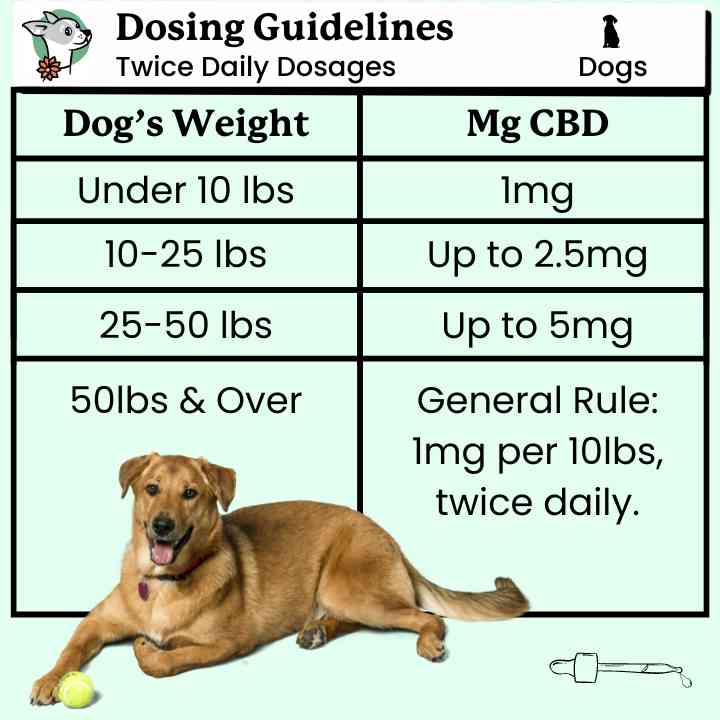
- Start Low, Go Slow - Begin with a very low dose of CBD and gradually increase it while closely observing your pet's response. This helps minimize the risk of adverse effects. Many brands, like Honest Paws, offer dosage guides.
Fines and enforcement
Companies that fail to comply with the new FDA regulations could face a range of penalties. These could include warning letters, product seizures, injunctions, and even criminal prosecution. The FDA has the authority to take action against companies that market unsafe or mislabeled products.
It’s unlikely there will be a lengthy grace period. The FDA has already been issuing warning letters to companies making unsubstantiated health claims, and this enforcement activity is likely to increase as the regulations take effect. It's important for companies to proactively address compliance issues.
The consequences for pet owners who use non-compliant products are less clear. The FDA is primarily focused on regulating the manufacturers and distributors of CBD products, but there’s a possibility of recalls or safety alerts if a product is found to be harmful.
State Laws and the FDA: A Complex Picture
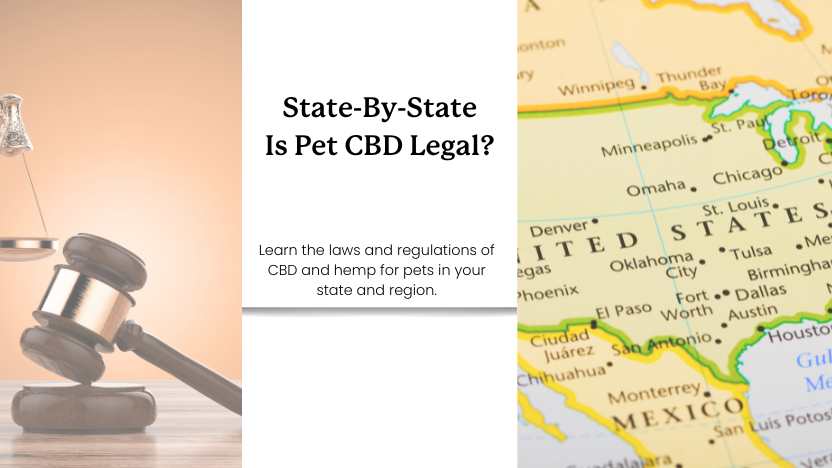
The interaction between state and federal laws regarding pet CBD is complex. Some states have already established their own regulations for CBD products, while others defer to the federal government. It’s possible that some states will adopt the FDA guidelines, while others will maintain their own rules.
If there’s a conflict between state and federal law, it can create confusion for both businesses and consumers. It’s important to be aware of the laws in your specific state and to choose products that comply with both state and federal regulations. This evolving legal landscape adds another layer of complexity to the pet CBD market.
State CBD Regulations for Pet Products (as of Late 2023/Early 2024)
| State | FDA Status | State Regulation Status | Key Differences | Resources |
|---|---|---|---|---|
| California | No specific FDA approval for pet CBD. | Generally permissive, but requires labeling compliance with Proposition 65 regarding potential contaminants. | California focuses heavily on contaminant testing and transparency in labeling, particularly concerning heavy metals and pesticides. No specific restrictions on CBD source (hemp vs. marijuana). | https://www.cdfa.ca.gov/hemp/ |
| Texas | No specific FDA approval for pet CBD. | CBD legality is complex. Hemp-derived CBD is legal if it contains no more than 0.3% Delta-9 THC. Regulations are evolving. | Texas has focused on clarifying the legal status of Delta-8 THC and its impact on hemp-derived CBD products, creating some uncertainty for pet owners. Enforcement varies. | https://www.txagriculture.gov/hemp |
| Florida | No specific FDA approval for pet CBD. | CBD products for pets are generally permitted, but must meet labeling requirements and cannot be marketed as a treatment for diseases. | Florida emphasizes preventing the marketing of CBD products as cures for medical conditions in animals. Regulations are primarily focused on human CBD but apply to pet products as well. | https://fdacs.gov/Cannabis-Hemp |
| New York | No specific FDA approval for pet CBD. | New York has stringent regulations regarding CBD, including testing requirements and labeling standards. Focus on human consumption, but applies to pet products. | New York requires detailed testing for contaminants and accurate labeling of CBD content. Regulations are continually being updated. | https://agriculture.ny.gov/hemp |
| Colorado | No specific FDA approval for pet CBD. | Colorado was an early adopter of hemp regulations and has a well-established framework for CBD products, including those for pets. Requires testing and labeling. | Colorado's regulations are relatively comprehensive, covering cultivation, processing, and retail sales of hemp and CBD. Focus on product safety and consumer protection. | https://www.colorado.gov/agribusiness/hemp-and-cannabis |
| Illinois | No specific FDA approval for pet CBD. | Illinois regulates CBD through the Department of Agriculture. Requires testing for potency and contaminants. Restrictions on marketing claims. | Illinois emphasizes accurate labeling and prohibits marketing CBD products as a cure for diseases. The state closely monitors CBD products sold within its borders. | https://www2.illinois.gov/dpa/hemp/Pages/default.aspx |
| Washington | No specific FDA approval for pet CBD. | Washington State Department of Agriculture regulates hemp-derived CBD products. Focus on testing and labeling requirements. | Washington prioritizes ensuring the safety and accurate labeling of hemp-derived CBD products, with a focus on preventing the sale of adulterated or misbranded items. | https://agr.wa.gov/departments/food-safety/hemp |
Illustrative comparison based on the article research brief. Verify current pricing, limits, and product details in the official docs before relying on it.
No comments yet. Be the first to share your thoughts!