

The coming FDA changes
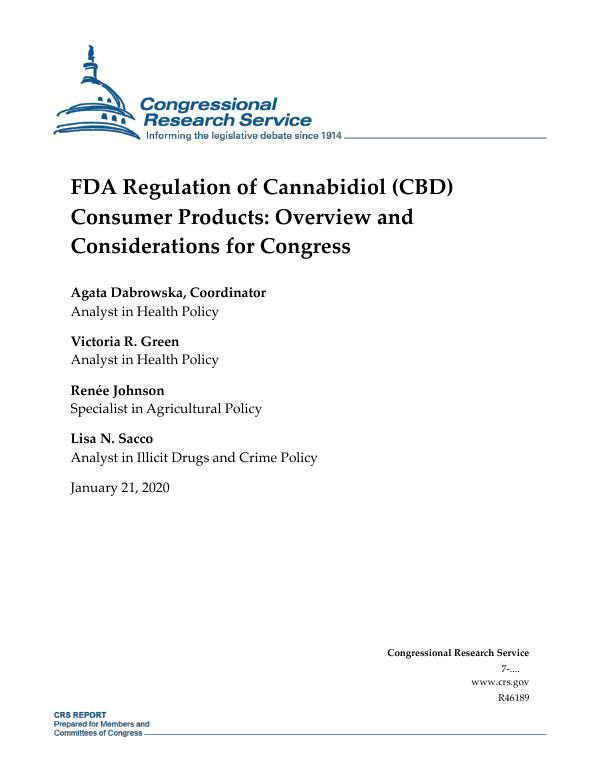
Significant changes are coming to the world of pet-focused CBD products. The Food and Drug Administration (FDA) is preparing to implement comprehensive regulations governing the manufacture and sale of CBD products for animals, with a projected rollout in 2026. Currently, the market exists in a regulatory gray area, meaning there’s a lack of consistent oversight and quality control. This has prompted the FDA to act, prioritizing the safety of our companion animals.
The FDA initiated this process with a request for information published in the Federal Register on November 16, 2023. This request signals the agency’s commitment to developing a clear regulatory framework. They’re seeking data and insights from stakeholders – including pet owners, veterinarians, and manufacturers – to inform their rulemaking. Ultimately, the goal is to establish standards that protect pets from potentially harmful products and ensure consumers have access to accurate information.
For too long, pet owners have navigated a confusing landscape of CBD offerings. The upcoming regulations aim to provide clarity and confidence, but it’s important to understand why these changes are happening and what they’ll likely entail. We at PetCBDfinder are committed to keeping you informed every step of the way.
Why the rules are changing
The FDA’s move toward regulation isn’t arbitrary. Concerns about the safety and quality of CBD products for pets have been mounting. A report published by the National Center for Biotechnology Information (PMC) in November 2023 details the challenges of quality assurance, safety standards, and marketing strategies in the pet CBD market. This report, and others, have highlighted the potential risks associated with unregulated products.
One of the biggest issues is the lack of standardized testing and labeling. Products often vary significantly in their CBD content, meaning a label claiming 5mg of CBD per treat might actually contain far more or less. This inconsistency can make it difficult for pet owners to administer appropriate dosages. Furthermore, the absence of strict quality control can lead to the presence of harmful contaminants like heavy metals, pesticides, and solvents.
Reports of adverse events in pets linked to CBD consumption are also a driving factor. While more research is needed to fully understand the potential side effects, the FDA has received reports of lethargy, vomiting, and other concerning symptoms following CBD use. The potential for mislabeling and contamination creates a real risk for unsuspecting pet owners who are simply trying to improve their animal’s well-being.
What the 2026 rules will look like
While the specific details are still being finalized, we can anticipate several core components in the 2026 regulations. A major focus will be on manufacturing standards, likely adopting Good Manufacturing Practices (GMP) similar to those used in the human pharmaceutical industry. This means manufacturers will need to demonstrate consistent quality control throughout the production process.
Rigorous testing protocols are also expected. The FDA will likely require third-party verification of CBD content and contaminant levels. These tests will need to be conducted by accredited laboratories using validated methods. Labeling accuracy will be another key area. Regulations will likely mandate clear and accurate labeling of CBD content, ingredients, and any potential warnings or contraindications.
Finally, a system for adverse event reporting is almost certain to be implemented. This will allow pet owners and veterinarians to report any negative reactions to CBD products, providing the FDA with valuable data for ongoing monitoring and regulation. I’m not sure about the exact specifics of reporting requirements but anticipate a streamlined system. It’s also likely the FDA will address the legality of specific CBD-related claims related to health benefits.
It’s important to remember that the FDA’s approach will likely be cautious and conservative, prioritizing pet safety above all else. This may mean stricter regulations than some in the industry anticipate.
How to read a CBD label
Even before the 2026 regulations take effect, you can be a more informed consumer. Learning to decipher CBD product labels is crucial. Start by checking the CBD concentration – this should be clearly stated in milligrams (mg) per serving. Also, look for information about the hemp source. Products made from U.S.-grown hemp are generally considered more reliable, as they are subject to certain agricultural regulations.
A Certificate of Analysis (COA) is arguably the most important piece of information on the label. This document, issued by a third-party lab, details the product’s CBD content, THC levels, and contaminant testing results. Always verify that a product has a COA and then take the extra step to verify the COA directly on the lab’s website – don’t just trust the one posted on the seller’s site.
Be wary of misleading marketing terms like “full-spectrum,” “broad-spectrum,” or “CBD isolate.” While these terms have specific meanings, they’re often used loosely. Understand what they mean: full-spectrum contains all cannabinoids, including a trace amount of THC (less than 0.3%); broad-spectrum contains most cannabinoids but no THC; and isolate is pure CBD. Also, scrutinize the ingredient list – avoid products with unnecessary additives or fillers.
Navigating Third-Party Testing
Third-party testing is a vital safeguard in the pet CBD market, but it’s not foolproof. The key is to look for labs that are ISO-accredited. ISO accreditation demonstrates that the lab meets specific quality and competency standards. Reputable labs typically hold ISO 17025 accreditation, which is internationally recognized.
A comprehensive third-party test should include several key analyses: CBD/THC potency to verify the product's cannabinoid content; contaminant testing to screen for heavy metals, pesticides, and residual solvents; and testing for microbial contamination to ensure the product is free from harmful bacteria or mold. Don’t settle for products with only basic testing – look for a full panel of results.
It’s important to be realistic about the limitations of third-party testing. Testing only analyzes a sample of the batch, so it doesn't guarantee the entire batch is uniform. Also, testing methods aren’t perfect, and there’s always a margin of error. However, a reliable COA from an ISO-accredited lab significantly increases your confidence in the product’s quality and safety.
What to Do If Your Pet Has a Reaction
If you suspect your pet has experienced an adverse reaction to CBD, it’s crucial to act quickly. Common symptoms of a negative reaction can include lethargy, vomiting, diarrhea, incoordination, excessive drooling, or changes in behavior. Don't panic, but don't delay seeking help either.
Contact your veterinarian immediately. They can assess your pet’s condition and provide appropriate treatment. Be prepared to provide your vet with information about the CBD product you used, including the dosage and any other relevant details. You can also report the adverse event directly to the FDA through their online reporting portal.
Featured Products

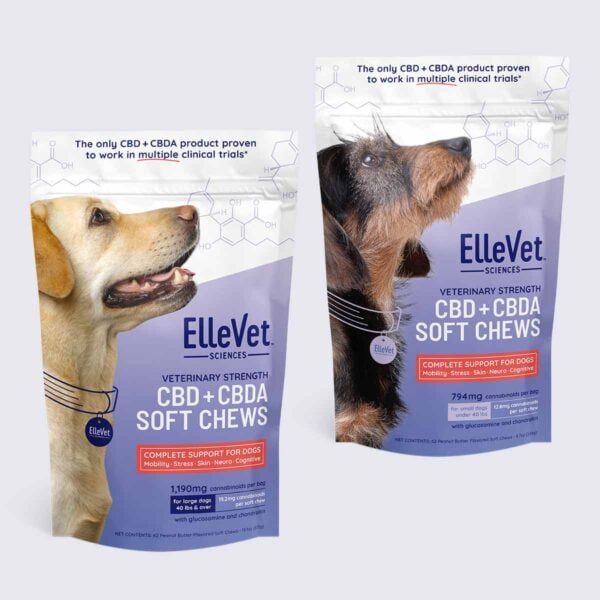
Supports anxiety, pain, stress, sleep, arthritis, and seizure relief · Promotes hip and joint health · Calming formula for pets
This product is selected for its commitment to third-party testing and quality ingredients, offering pet owners reliable options as new regulations approach.

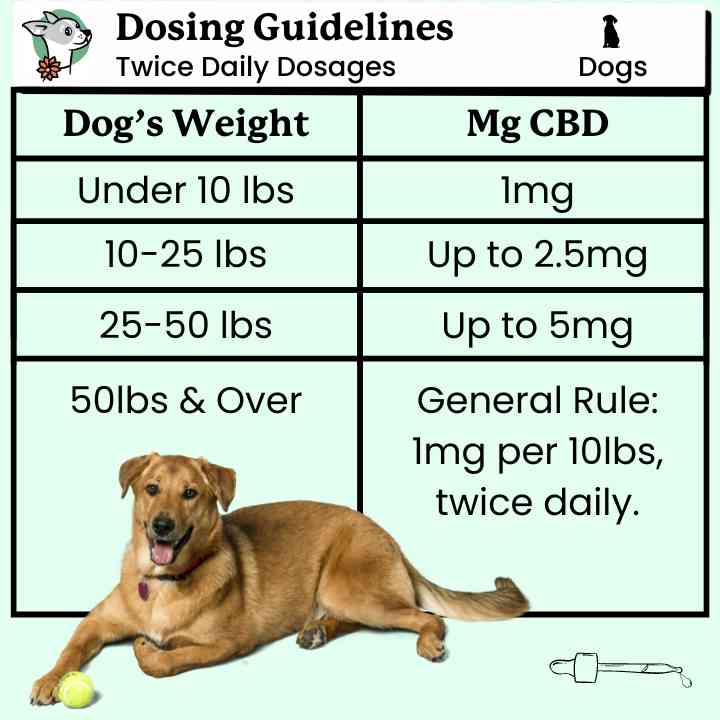
Aids in managing anxiety, pain, stress, and sleep issues · Provides relief for arthritis and seizures · Offers hip and joint support with calming drops
This product is selected for its commitment to third-party testing and quality ingredients, offering pet owners reliable options as new regulations approach.

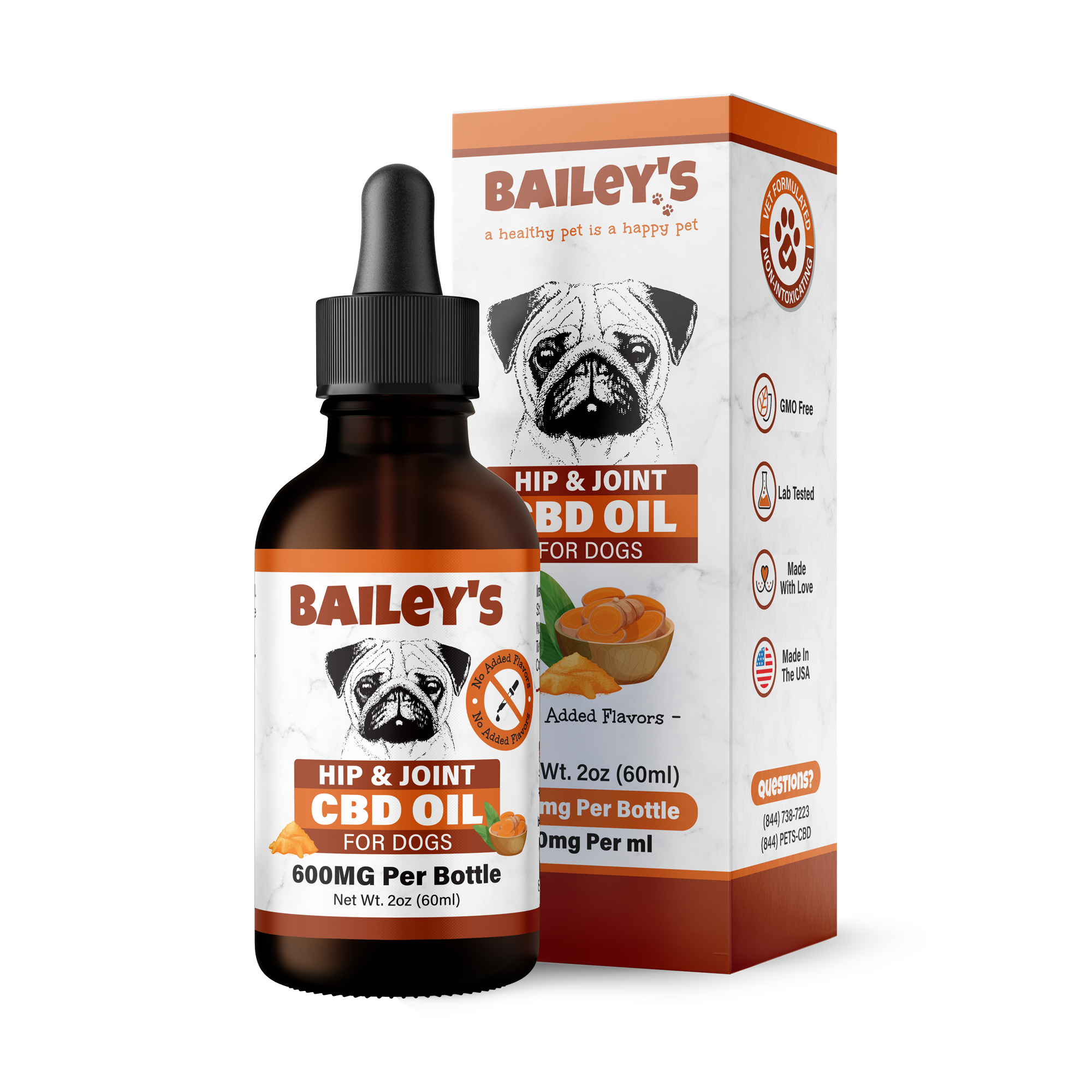
Supports joint mobility with natural ingredients · Contains Turmeric Root, Devil's Claw, and Sarsaparilla · Liquid food supplement suitable for all breeds and sizes
This product is selected for its commitment to third-party testing and quality ingredients, offering pet owners reliable options as new regulations approach.
Helps alleviate anxiety, pain, stress, and sleep disturbances · Offers relief for arthritis and seizures · Includes hip and joint support and calming properties
This product is selected for its commitment to third-party testing and quality ingredients, offering pet owners reliable options as new regulations approach.
Aids in managing pet anxiety, pain, stress, and sleep · Supports pets with arthritis and seizures · Promotes hip and joint health with a calming effect
This product is selected for its commitment to third-party testing and quality ingredients, offering pet owners reliable options as new regulations approach.
As an Amazon Associate I earn from qualifying purchases. Prices may vary.
Looking Ahead: Staying Informed
Staying informed about the evolving FDA pet CBD regulations is essential. Regularly check the FDA website () for updates and announcements. PetCBDfinder.com will continue to provide comprehensive coverage of these changes. Consulting with your veterinarian is always a good idea when considering CBD for your pet.
Informed consumers are the best advocates for safer products. By demanding transparency and accountability from manufacturers, we can collectively drive positive change in the pet-focused CBD industry.

No comments yet. Be the first to share your thoughts!