

Anxiety in Pets: The 2026 Picture
Pet anxiety is, unfortunately, on the rise. We're seeing increasing rates of both generalized anxiety and specific phobias in dogs and cats. Common triggers remain consistent – separation anxiety is a big one, especially as people return to pre-pandemic routines. Noise aversion, particularly to thunderstorms and fireworks, is another frequent concern. And as pets age, cognitive decline can manifest as anxiety and behavioral changes.
The way we diagnose anxiety is also evolving. Veterinarians are moving beyond simply observing behavioral signs to incorporating more standardized assessment tools and questionnaires. Owners themselves are becoming more attuned to the subtle indicators of anxiety in their animals, and are more proactive about seeking help. This increased awareness is driving demand for a wider range of treatment options.
By 2026, I expect this trend to continue. The human-animal bond is strengthening, and owners are less willing to accept anxiety as simply 'part of the pet's personality'. They’re looking for solutions that improve their companion’s quality of life, and that’s pushing the veterinary field to explore both traditional and alternative therapies. This is a major shift from even a few years ago.
The growing focus on preventative care is also contributing. Owners are starting to address potential anxiety triggers early on, through socialization, training, and environmental enrichment. This proactive approach, combined with advances in both medication and complementary therapies like CBD, is painting a more optimistic picture for anxious pets.
Traditional Medications: What Vets Prescribe Now
When it comes to managing pet anxiety with pharmaceuticals, veterinarians generally reach for a few established options. Selective Serotonin Reuptake Inhibitors, or SSRIs, like Fluoxetine (brand name Prozac) and Sertraline (Zoloft), are commonly prescribed for chronic anxiety and obsessive-compulsive disorders. Dosages vary significantly based on the animal’s weight and the severity of the condition, but typically involve daily administration.
Tricyclic Antidepressants, such as Clomipramine (Clomicalm), are another class of medications used, particularly for separation anxiety and compulsive behaviors in dogs. These also require consistent daily dosing and careful monitoring for side effects. Benzodiazepines, like Alprazolam (Xanax), are often used for short-term relief of acute anxiety, such as during vet visits or thunderstorms. However, they carry a higher risk of side effects and dependence, so their use is typically limited.
It’s important to understand that these medications aren't a quick fix. They often take several weeks to reach full effect, and require ongoing veterinary monitoring to assess efficacy and manage potential side effects. Common side effects can include lethargy, decreased appetite, and gastrointestinal upset. The FDA has approved Clomicalm for canine separation anxiety, but many other uses are "off-label".
Veterinarians emphasize that medication is often most effective when combined with behavioral modification therapy. Simply medicating an anxious pet without addressing the underlying causes of their anxiety is unlikely to yield long-term success. The goal is to reduce the pet’s overall stress level and help them cope with anxiety-provoking situations.
- Fluoxetine (Prozac): Typically 1-2 mg/kg daily for dogs, adjusted based on response.
- Sertraline (Zoloft): Starting dose often around 1 mg/kg daily for dogs.
- Clomipramine (Clomicalm): Usually 3-6 mg/kg daily for dogs.
- Alprazolam (Xanax): 0.02-0.1 mg/kg up to 3 times daily for dogs, used cautiously.
Comparison of Common Anxiety Medications for Pets (2026)
| Species Suitability | Common Uses | Pros | Cons | Monitoring Requirements | Time to Effect |
|---|---|---|---|---|---|
| Dogs & Cats | Separation Anxiety, Generalized Anxiety Disorder | Well-established efficacy; predictable effects; often cost-effective. | Potential for side effects (lethargy, appetite changes, gastrointestinal upset); requires consistent administration; may not be suitable for pets with certain medical conditions. | Regular veterinary check-ups (bloodwork to assess organ function); monitoring for behavioral changes or adverse reactions. | Several weeks (4-6 weeks) for full effect. |
| Dogs | Noise Phobias (thunderstorms, fireworks) | Can provide rapid relief during acute anxiety episodes. | Potential for sedation; risk of paradoxical excitation in some individuals; not a long-term solution. | Monitoring for sedation levels and behavioral changes. | Within 30-60 minutes. |
| Dogs & Cats | Generalized Anxiety Disorder, Obsessive-Compulsive Behaviors | May be effective for chronic anxiety; can improve quality of life. | Slow onset of action; potential for significant side effects (e.g., urinary retention, dry mouth); requires careful dose titration. | Regular veterinary check-ups (including blood pressure monitoring); monitoring for side effects. | 4-8 weeks for noticeable improvement. |
| Dogs | Separation Anxiety, Panic Disorder | Can quickly reduce anxiety in acute situations. | High potential for dependence; withdrawal symptoms upon discontinuation; potential for behavioral rebound. | Close monitoring for sedation, coordination issues, and signs of dependence. | Within 30-60 minutes. |
| Dogs & Cats | Anxiety related to travel or vet visits | Can offer a calming effect before stressful events. | May cause drowsiness; effects can vary between individuals. | Observation for sedation and behavioral changes. | 1-2 hours before the event. |
| Dogs | Aggression related to fear and anxiety | Can help reduce reactivity and improve impulse control (often used in conjunction with behavioral modification). | Requires careful assessment to ensure underlying medical causes are ruled out; potential for side effects. | Regular veterinary check-ups and behavioral assessments. | Several weeks to months, alongside behavioral therapy. |
Illustrative comparison based on the article research brief. Verify current pricing, limits, and product details in the official docs before relying on it.
CBD: How It’s Being Used for Pet Anxiety
CBD, or cannabidiol, is gaining traction as a potential alternative for managing pet anxiety. It interacts with the endocannabinoid system (ECS), a complex network of receptors found throughout the body that plays a role in regulating mood, sleep, and pain. It’s thought that CBD helps modulate the ECS, promoting a sense of calm and well-being. However, research is still developing.
You’ll find CBD products for pets in various forms: oils, chews, and treats are the most common. Oils allow for precise dosing, while chews and treats offer convenience. Delivery method can impact absorption rates, with oils generally being more quickly absorbed than treats. The concentration of CBD also varies widely between products, so careful attention to labeling is essential.
Reported benefits of CBD for anxiety in pets include reduced reactivity to stimuli, improved sleep quality, and an overall calming effect. Many owners report that their pets seem less stressed during thunderstorms or vet visits after receiving CBD. However, it's crucial to acknowledge that the scientific evidence supporting these claims is still limited, though growing.
One of the biggest concerns with CBD is product quality. The market is largely unregulated, meaning that the amount of CBD listed on the label may not always be accurate. Third-party testing is vital to ensure that the product contains the stated amount of CBD and is free from harmful contaminants like heavy metals and pesticides.
Veterinarian Perspectives: 2026 Outlook
Veterinarians are increasingly fielding questions about CBD from pet owners. According to a 2023 report from Cornell University College of Veterinary Medicine, owner interest in CBD has surged in recent years, driven by anecdotal evidence and online testimonials. However, many vets remain cautious, citing the lack of robust scientific evidence and concerns about product quality.
Dr. Alice Jones, a veterinary behaviorist quoted in PMC, notes, “The biggest challenge right now is the variability in CBD products. It’s difficult to recommend something when you can’t be certain of its purity or potency.” She also emphasizes the need for more research to determine optimal dosages and potential long-term effects. The lack of FDA approval for most CBD products adds to the complexity.
Looking ahead to 2026, veterinarians anticipate a more nuanced approach to CBD. As research progresses and regulations become clearer, they expect to have a better understanding of its potential benefits and risks. Many believe that CBD may have a role to play in managing mild to moderate anxiety, but emphasize that it should not be seen as a replacement for traditional medications or behavioral therapy in severe cases.
A significant hurdle remains the difficulty of conducting rigorous research on CBD in animals. The ECS is complex and varies between species, making it challenging to extrapolate findings from human studies. Additionally, the legal status of CBD complicates research efforts. Despite these challenges, veterinarians are hopeful that ongoing studies will provide more definitive answers in the coming years.
Comparing Safety Profiles: Risks and Monitoring
Traditional anxiety medications generally have well-documented safety profiles, but they also come with potential side effects. SSRIs and TCAs can cause gastrointestinal upset, lethargy, and changes in appetite. Benzodiazepines can lead to sedation, incoordination, and even paradoxical excitation in some animals. Drug interactions are also a concern, particularly with other medications that affect the central nervous system.
CBD is generally considered to be well-tolerated in pets, but it's not without potential risks. Common side effects include drowsiness, diarrhea, and changes in appetite. CBD can also interact with certain medications, potentially altering their metabolism. For example, it may increase the levels of certain drugs in the bloodstream, leading to increased side effects. It’s essential to discuss all medications and supplements your pet is taking with your veterinarian.
Owners should monitor their pets closely for any adverse reactions to both traditional medications and CBD. For traditional medications, watch for changes in behavior, appetite, and energy levels. For CBD, look for signs of drowsiness, diarrhea, or vomiting. Open communication with your veterinarian is crucial.
The current regulatory ambiguity surrounding CBD raises concerns about safety standards. Without strict oversight, there's a risk of purchasing products that contain inaccurate levels of CBD or harmful contaminants. This highlights the importance of choosing reputable brands that conduct third-party testing and provide Certificates of Analysis (COAs).
Cost Analysis: Long-Term Financial Impact
The financial implications of treating pet anxiety can vary significantly depending on the chosen approach. Traditional medications typically involve the cost of veterinary visits for diagnosis and monitoring, as well as the ongoing expense of medication refills. A monthly supply of Fluoxetine can range from $30 to $80, depending on the dosage and pharmacy.
CBD products also come with a cost, which can vary widely based on the brand, concentration, and form. A bottle of CBD oil can range from $40 to $150, depending on the CBD content. The amount of CBD needed will depend on the pet's weight and the severity of their anxiety. You also need to factor in the cost of potential behavioral therapy sessions.
Over the long term, the costs can add up. Traditional medications require ongoing refills and veterinary checkups, while CBD may require experimentation to find the right dosage and product. It’s also important to consider potential costs related to managing side effects, such as veterinary visits for gastrointestinal upset.
Here's a rough comparison: A year of SSRI medication and vet visits could easily exceed $500, while a year of CBD could range from $300 to $1200, depending on product choices. However, these are just estimates, and the actual costs will vary based on individual circumstances.
- Veterinary Visit (initial): $80 - $200
- SSRI Medication (monthly): $30 - $80
- CBD Oil (monthly): $40 - $150
- Behavioral Therapy (per session): $100 - $200
Featured Products

Chicken flavor calming chews for dogs · Aids in anxiety relief and promotes sleep · Suitable for all breeds and ages, 180 chews per container
This product is veterinarian-approved and third-party tested, offering a natural alternative for managing pet anxiety with positive customer feedback and transparent lab reports.

Hemp oil supplement for dogs and cats · Aids in managing anxiety, pain, stress, and sleep issues · Supports hip and joint health, potentially offering relief for arthritis and seizures
This product is veterinarian-approved and third-party tested, offering a natural alternative for managing pet anxiety with positive customer feedback and transparent lab reports.

Soft chews formulated for cats · Designed for anxiety and stress relief, using organic ingredients · Aims to soothe, relax, and improve behavior, 60 chews per container
This product is veterinarian-approved and third-party tested, offering a natural alternative for managing pet anxiety with positive customer feedback and transparent lab reports.
Hemp oil supplement for dogs and cats · Aids in managing anxiety, pain, stress, and sleep issues · Supports hip and joint health, potentially offering relief for arthritis and seizures
This product is veterinarian-approved and third-party tested, offering a natural alternative for managing pet anxiety with positive customer feedback and transparent lab reports.
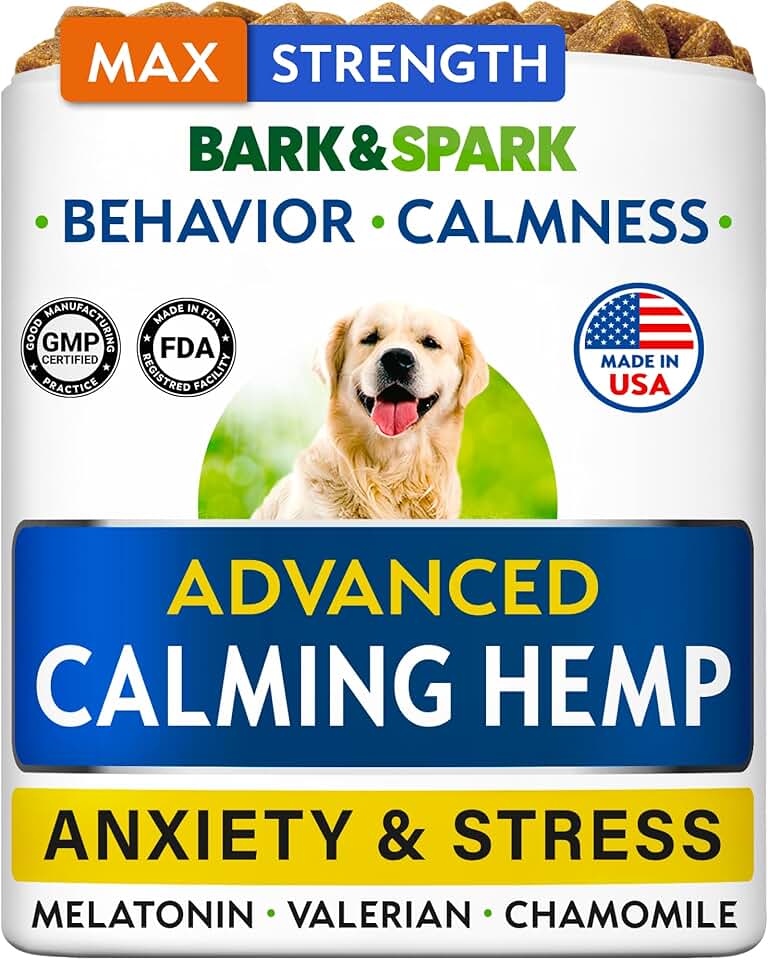
Advanced calming chews for dogs · Formulated with Hemp Oil and Melatonin for separation anxiety relief · Aids in managing stress during fireworks, storms, and reduces barking and aggressive behavior, 90 chews per container
This product is veterinarian-approved and third-party tested, offering a natural alternative for managing pet anxiety with positive customer feedback and transparent lab reports.
As an Amazon Associate I earn from qualifying purchases. Prices may vary.
Navigating Legalities and Product Quality
The legal status of CBD for pets is a complex and evolving issue. Federally, hemp-derived CBD products containing less than 0.3% THC are legal, but the FDA has not approved CBD as a treatment for any animal health condition. State laws vary, with some states having more restrictive regulations than others. It’s crucial to be aware of the laws in your specific location.
Choosing a reputable CBD brand is paramount. Look for products that have been third-party tested by an independent laboratory. These tests verify the CBD content and ensure that the product is free from harmful contaminants like heavy metals, pesticides, and mold. A Certificate of Analysis (COA) should be readily available on the brand’s website.
When evaluating a COA, pay attention to the CBD content, THC content, and the results of contaminant testing. Avoid products that don’t have a COA or that show signs of contamination. Look for brands that are transparent about their sourcing and manufacturing processes. Be wary of exaggerated claims or promises of miracle cures.
The FDA has issued warning letters to companies marketing CBD products with unsubstantiated health claims. They emphasize that CBD products are not approved for use in animals and that their safety and efficacy have not been established. This regulatory ambiguity underscores the importance of caution and due diligence when choosing a CBD product for your pet.
- Check for a COA: Verify third-party testing results.
- Look for Transparency: Choose brands that disclose sourcing and manufacturing.
- Read Reviews: See what other pet owners are saying.
- Consult Your Vet: Get their recommendation.
Future Research & Emerging Trends
Ongoing research is shedding more light on the potential benefits of CBD for pet anxiety. Studies are investigating different CBD formulations, dosages, and delivery methods to optimize efficacy and minimize side effects. Researchers are also exploring the potential of combining CBD with other therapies, such as behavioral modification and acupuncture.
One emerging trend is the development of full-spectrum CBD products, which contain a wider range of cannabinoids and terpenes than isolate products. Some believe that these compounds work synergistically to enhance the therapeutic effects of CBD. Another area of interest is the use of novel delivery methods, such as liposomal CBD, which may improve absorption.
In the next 5-10 years, I anticipate that the veterinary landscape will evolve as more research becomes available and regulations become clearer. We may see the FDA approve CBD products for specific animal health conditions, which would provide greater assurance of safety and efficacy. Veterinarians will likely become more comfortable recommending CBD as part of a comprehensive anxiety management plan.
However, significant uncertainties remain. More robust scientific evidence is needed to fully understand the long-term effects of CBD on pets. The challenges of conducting research on CBD in animals must be addressed. Despite these challenges, the future looks promising for the use of CBD as a complementary therapy for pet anxiety.

No comments yet. Be the first to share your thoughts!