

Aging Pets: A New Perspective
Remember when a walk meant a sprint to the park? Now, it’s a slower pace, maybe a little wobbly, and a lot more naps. As pet owners, we all face this reality. Our furry companions are living longer, which is wonderful, but it also means navigating the challenges of senior pet care. It’s not just about extending their lifespan, but ensuring their lifespan is full of comfort and joy.
The increasing longevity of dogs and cats – thanks to better nutrition and veterinary care – is driving a shift in how we approach their health. We’re moving away from simply treating illness and towards proactive, quality-of-life focused care. This is about helping them thrive, not just survive, in their golden years. The demand for preventative solutions is growing, and it’s becoming more mainstream.
This cultural shift isn’t happening in a vacuum. The incredible success of products focused on preventative health, like the "skinny pill’ featured on ‘Shark Tank’ in May 2026, demonstrates a broader societal interest in proactive wellbeing (as reported by ojs.library.okstate.edu). It’s a signal that people are eager to invest in solutions that improve health and happiness, and that extends to our beloved pets. We"re seeing a willingness to explore new options, and CBD is rapidly becoming one of those options.
Common Ailments in Senior Pets
As dogs and cats age, they become more susceptible to a range of health problems. Arthritis is incredibly common, causing joint pain and stiffness that limits mobility. You might notice your pet struggling to get up, limping, or simply being less enthusiastic about playtime. It's heartbreaking to watch their energy levels decline.
Cognitive dysfunction, often called "dog dementia," is another significant concern. It manifests as confusion, disorientation, changes in sleep patterns, and even personality shifts. Kidney disease and heart problems also become more prevalent, impacting organ function and overall health. Cancer, unfortunately, is a leading cause of death in senior pets, and early detection is crucial.
These ailments aren’t just about physical changes. They impact a pet’s emotional wellbeing too. Pain can lead to anxiety and depression, while cognitive decline can cause fear and frustration. Reduced mobility means less interaction and a diminished quality of life. Understanding these challenges is the first step in providing the best possible care. It’s about recognizing that their needs are changing and adapting our approach accordingly. It’s not always about fixing things, but about managing symptoms and maximizing comfort.
CBD & The Endocannabinoid System
So, where does CBD fit into all of this? To understand its potential benefits, we need to talk about the endocannabinoid system (ECS). The ECS is a complex network of receptors and neurotransmitters found in all mammals – that includes our dogs and cats. It plays a vital role in regulating a wide range of physiological functions, including pain, mood, appetite, sleep, and immune response.
The ECS has two main types of receptors: CB1 and CB2. CB1 receptors are primarily found in the brain and central nervous system, while CB2 receptors are more abundant in the immune system. CBD doesn't directly bind to these receptors like THC does. Instead, it modulates their activity, influencing how they function. Think of it as fine-tuning the system, rather than directly activating it.
The ECS has CB1 receptors (brain, central nervous system) and CB2 receptors (immune system). CBD modulates their activity, rather than directly binding like THC. hand, is non-psychoactive, meaning it won’t get your pet "stoned.’ It"s this lack of psychoactive effects that makes CBD a potentially safe and beneficial option for pets. It's important to remember that the ECS is still a relatively new area of research, and we're continually learning more about how it works and how CBD interacts with it.
The ECS is responsible for maintaining balance within the body – a state called homeostasis. As pets age, the ECS can become less efficient, contributing to the development of age-related conditions. CBD is believed to help support the ECS, helping to restore balance and alleviate symptoms. While it’s not a miracle cure, it offers a promising avenue for improving the quality of life for senior pets.
- CB1 Receptors: Primarily in the brain and central nervous system, involved in regulating mood, pain, and appetite.
- CB2 Receptors: More abundant in the immune system, playing a role in inflammation and immune response.
- CBD: Modulates ECS activity without directly binding to receptors, offering non-psychoactive benefits.
CBD's Influence on the Endocannabinoid System in Senior Pets (2026 Estimates)
Data: AI-generated estimate for illustration
CBD for Pain & Inflammation
Arthritis is a major source of discomfort for many senior pets, and managing pain is essential for maintaining their quality of life. CBD shows promise in helping to alleviate this pain by reducing inflammation and modulating pain perception. Inflammation is a key driver of arthritis, and CBD’s anti-inflammatory properties can help to reduce swelling and discomfort.
By interacting with the ECS, CBD can influence how the brain perceives pain signals. It doesn't necessarily block the pain completely, but it can help to reduce its intensity and make it more manageable. This can lead to improved mobility, increased activity levels, and a generally happier pet. It’s important to note that research is ongoing, and the exact mechanisms are still being investigated.
While anecdotal evidence is strong, with many pet owners reporting positive results, we need more robust scientific studies to fully understand the efficacy of CBD for arthritis. CBD isn't a cure-all, and it shouldn’t be seen as a replacement for conventional veterinary care. It's best used as part of a comprehensive pain management plan, which may include medication, physical therapy, and lifestyle modifications. It’s about finding what works best for your individual pet.
Cognitive Function & CBD
Cognitive decline, similar to Alzheimer's in humans, is a heartbreaking reality for many senior dogs and cats. CBD's potential neuroprotective properties have sparked interest in its ability to slow down this decline and improve mental clarity. The brain’s ECS plays a role in cognitive function, and CBD may help to support and protect brain cells.
Some studies suggest that CBD can help reduce anxiety and improve sleep disturbances, which are often associated with cognitive dysfunction. A calmer, more rested pet is more likely to be able to engage with their surroundings and maintain a better quality of life. However, it’s crucial to manage expectations and acknowledge that more research is needed.
The work of Dr. Phil, focusing on cognitive health in humans, highlights the growing awareness of age-related cognitive decline (as referenced by ojs.library.okstate.edu). While the human and animal ECS differ, the underlying principles of supporting brain health are relevant. CBD isn't a guaranteed solution, but it may offer a supportive role in managing the symptoms of cognitive dysfunction and promoting mental wellbeing. Always consult with your veterinarian to discuss the best course of action.
Choosing the Right CBD Product
With the growing popularity of CBD, the market is flooded with products. Choosing the right one can be overwhelming. First, understand the different types of CBD: full-spectrum, broad-spectrum, and isolate. Full-spectrum contains all the cannabinoids found in the hemp plant, including trace amounts of THC (less than 0.3%). Broad-spectrum contains most cannabinoids but removes THC. Isolate contains only CBD.
Delivery methods also vary. Oils are often considered the most bioavailable, meaning the CBD is absorbed more efficiently. Treats are convenient but may have lower bioavailability. Capsules offer a precise dose, while topicals can be used for localized pain relief. The best option depends on your pet’s preferences and needs.
Perhaps the most important factor is third-party testing. Reputable brands will have their products tested by an independent laboratory to verify the CBD content and ensure they are free of contaminants like pesticides and heavy metals. Look for a Certificate of Analysis (COA) that details the product’s composition. Learning to read a COA is crucial – it should show the amount of CBD, THC, and other cannabinoids present.
Sourcing from reputable brands is essential. Pet Releaf is one example of a company committed to quality and transparency (as per petreleaf.com). Look for brands that use organically grown hemp and prioritize sustainability. Don't be afraid to ask questions and do your research before making a purchase. A little due diligence can go a long way in ensuring you’re giving your pet a safe and effective product.
Featured Products

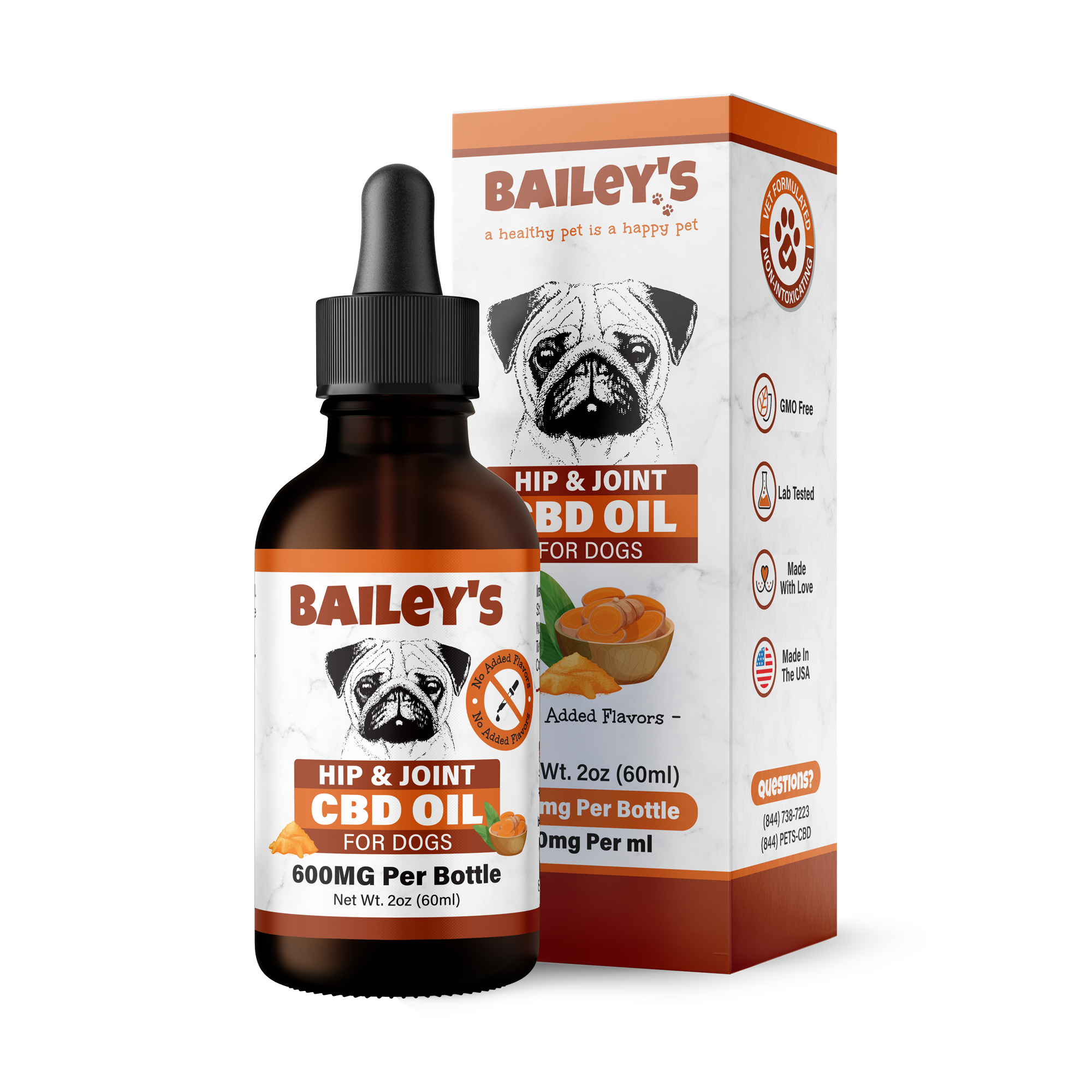
Hemp oil formulated for both dogs and cats · Aids in managing anxiety, pain, stress, and sleep issues · Supports hip and joint health, potentially offering arthritis and seizure relief
This versatile hemp oil provides comprehensive support for common senior pet ailments, including anxiety and joint discomfort.
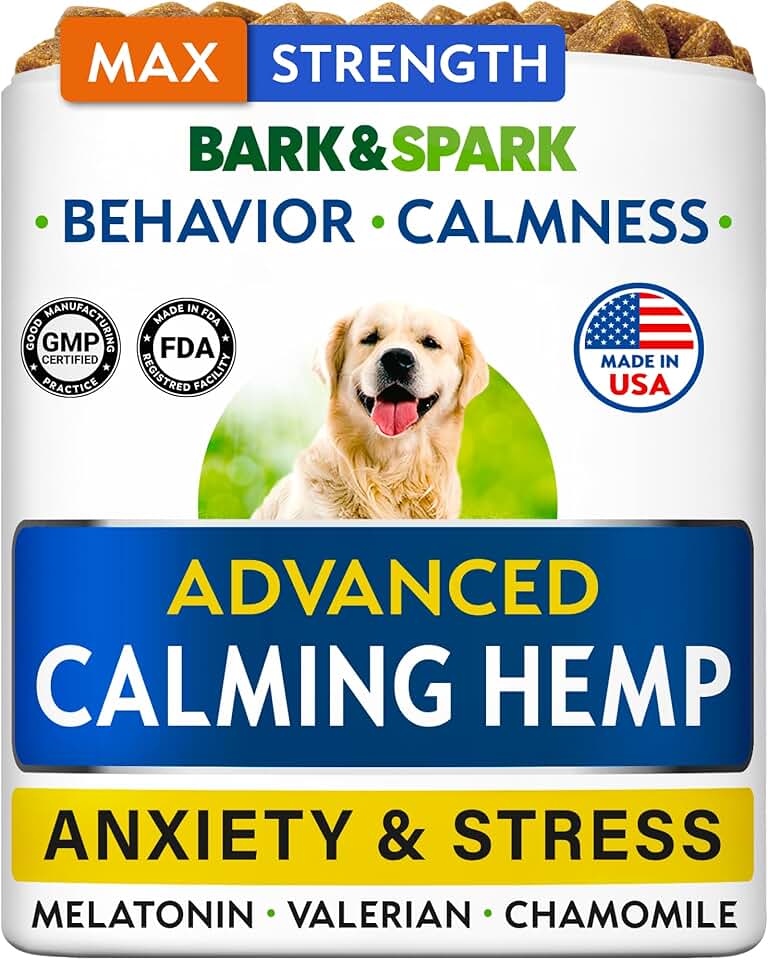
Advanced calming chews specifically for dogs · Contains hemp oil and melatonin to address separation anxiety and stress · Formulated to help during stressful events like fireworks and storms, and to reduce barking
These chews offer a targeted solution for dogs experiencing situational anxiety and stress, promoting a calmer demeanor.

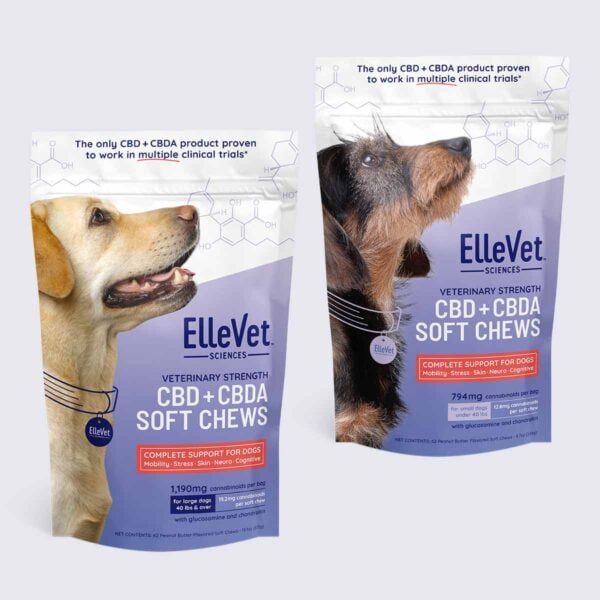
Hemp oil treats suitable for both dogs and cats · Designed to alleviate anxiety, pain, stress, and sleep disturbances · Promotes hip and joint health, with potential benefits for arthritis and seizures
These calming treats provide a palatable way to deliver hemp oil benefits for a range of senior pet health concerns.
Hemp oil treats suitable for both dogs and cats · Designed to alleviate anxiety, pain, stress, and sleep disturbances · Promotes hip and joint health, with potential benefits for arthritis and seizures
These calming treats provide a palatable way to deliver hemp oil benefits for a range of senior pet health concerns.

Soft chews made in the USA for dogs · Combines hemp oil with Valerian Root and Melatonin for anxiety and stress relief · Aids in managing issues related to storms, barking, and separation anxiety
These comprehensive calming chews offer a multi-ingredient approach to soothe anxious dogs, including those sensitive to environmental stressors.
As an Amazon Associate I earn from qualifying purchases. Prices may vary.
Dosage & Safety Considerations
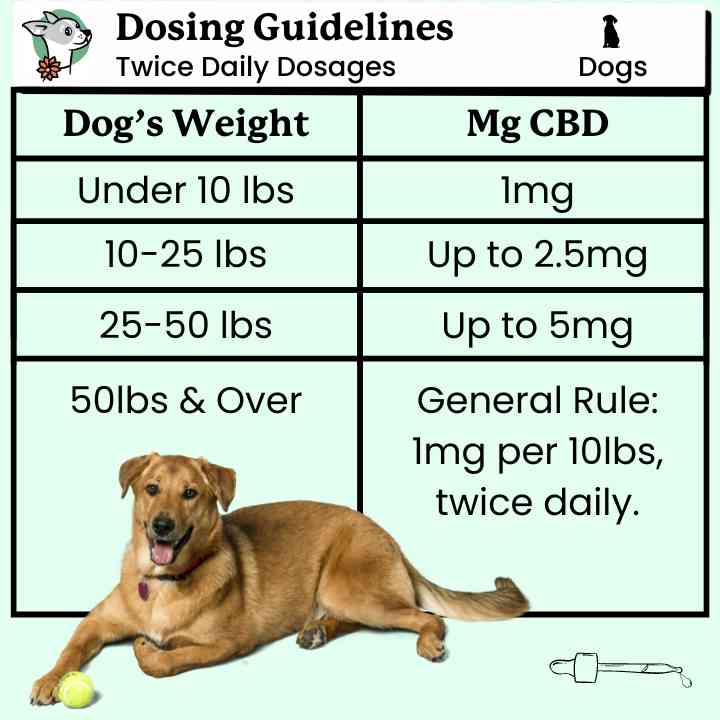
Determining the right CBD dosage for your pet is not a one-size-fits-all process. Several factors influence the ideal dose, including your pet’s weight, condition, metabolism, and the potency of the product. It’s always best to start with a low dose and gradually increase it until you achieve the desired effects. Think of it as a slow and steady approach.
Potential side effects are generally mild and uncommon, but can include drowsiness, dry mouth, and changes in appetite. If you notice any adverse reactions, stop using the product and consult with your veterinarian. It’s also important to be aware of potential drug interactions. CBD can interact with certain medications, so it’s crucial to inform your vet about all the supplements and medications your pet is taking.
Veterinary guidance is paramount. Before starting CBD treatment, discuss it with your veterinarian to ensure it’s safe and appropriate for your pet. They can help you determine the right dosage and monitor your pet for any potential side effects. CBD is a promising tool for improving the quality of life for senior pets, but it’s not a substitute for professional veterinary care.
No comments yet. Be the first to share your thoughts!