

The evolving legal status of pet CBD
The world of pet CBD is, frankly, a bit of a mess right now. We’re seeing a patchwork of laws across the United States, with some states fully embracing CBD for pets, others taking a cautious approach, and still others outright prohibiting it. This creates a lot of confusion for pet owners who simply want to explore a potentially beneficial option for their furry friends. It’s not unusual to find a product legal in one state but completely illegal in a neighboring one.
Currently, the legal status hinges heavily on the source of the CBD – hemp versus marijuana – and the specific state’s regulations regarding both. The 2018 Farm Bill legalized hemp-derived CBD at the federal level, but it also left a lot of room for interpretation, leading to the inconsistencies we see today. The FDA has been slow to create comprehensive regulations, which has further fueled this uncertainty. It's a frustrating situation for everyone involved.
However, things are poised to change. The FDA is actively working on new regulations, with anticipated changes coming by 2026. These changes are intended to provide more clarity and consistency, but they also mean that the landscape of pet CBD is about to shift significantly. Understanding these upcoming regulations is crucial for any pet owner considering using CBD products.

FDA’s Proposed Rule Changes for 2026
As of late 2024 and early 2025, the FDA is developing a proposed rule for regulating CBD products, including those intended for animals. According to the FDA’s website, the core of the changes revolves around establishing clear manufacturing standards, labeling requirements, and marketing guidelines. This isn’t about banning CBD; it’s about ensuring products are safe and accurately represented. The FDA acknowledges the increasing consumer interest but stresses the need for consumer protection.
One key aspect is the requirement for more rigorous testing. The FDA is likely to mandate specific testing protocols to verify the CBD content, ensure the absence of harmful contaminants like heavy metals and pesticides, and confirm that the product doesn’t contain more than the legally allowed amount of THC (0.3%). This testing will need to be conducted by independent, third-party laboratories. Expect to see a greater emphasis on Certificates of Analysis (COAs) – and they’ll need to be readily accessible to consumers.
Regarding marketing claims, the FDA is expected to significantly restrict what can be stated about CBD’s benefits. Currently, many companies make broad, unsubstantiated claims about CBD’s ability to treat or cure various conditions. The new regulations will likely prohibit such claims, allowing only statements that are supported by sound scientific evidence. This means fewer promises of miracle cures and more focus on general wellness support. It’s a move to protect pets – and owners – from misleading information.
The FDA’s proposed rule also addresses the categorization of CBD products. It’s likely that CBD will be considered a drug ingredient, even in over-the-counter products. This has implications for how these products are manufactured and sold. The agency is taking a cautious approach, recognizing the potential risks associated with unregulated CBD use.
State-Level Variations: A 2026 Forecast
Predicting state-level changes is tricky, but based on current trends, we can anticipate some shifts by 2026. Lolahemp.com provides a useful overview of the current state landscape, and it appears a continued divergence is likely. States like California and Colorado, already relatively permissive, may further refine their regulations to align with – or even exceed – the FDA’s standards.
We’re likely to see more states introducing comprehensive CBD regulations, rather than remaining in a legal gray area. Several states are currently considering legislation to clarify the legal status of pet CBD. I expect that states in the Northeast, such as New York and Massachusetts, will be among the next to establish clear frameworks. Conversely, some more conservative states may tighten restrictions or maintain existing prohibitions.
Regional differences will likely become more pronounced. The West Coast and parts of the Northeast are generally more open to alternative therapies, while the South and Midwest may be more cautious. It’s important to remember that these are just predictions. The actual outcome will depend on a variety of factors, including political considerations and public opinion.
- California: Likely to refine regulations to align with FDA standards.
- Colorado: May introduce more comprehensive regulations.
- Texas: Could maintain current restrictions or tighten them further.
- Florida: May consider legislation to clarify the legal status of pet CBD.
Anticipated Pet CBD Regulation Landscape - 2026
| State | Current Status (as of late 2023) | Legislative Trends | Enforcement | Anticipated 2026 Status |
|---|---|---|---|---|
| California | Relatively permissive; broad hemp-derived CBD access. | Increasing focus on product testing and labeling requirements. | Moderate; primarily focused on consumer safety regarding human CBD products, with some spillover to pet products. | Medium |
| Colorado | Early adopter of hemp regulations; established framework for CBD. | Continued refinement of testing protocols and potential for specific pet CBD regulations. | Proactive; regular testing of CBD products and enforcement of labeling laws. | Medium-High |
| Florida | CBD regulations are evolving; generally allows hemp-derived CBD products. | Legislative discussions around stricter regulations for all CBD products, including those for pets. | Variable; enforcement has been inconsistent. | Medium |
| Texas | Historically restrictive; hemp program established in 2019, but regulations have been subject to change. | Recent legislative efforts to clarify CBD regulations, but ambiguity remains. | Limited; enforcement focused on THC levels. | Low-Medium |
| New York | Permissive for hemp-derived CBD, but with increasing scrutiny. | Legislative proposals to align pet CBD regulations with human CBD standards. | Moderate; focus on accurate labeling and product safety. | Medium-High |
| Pennsylvania | Hemp program in place, but specific regulations for pet CBD are limited. | Growing interest in developing dedicated regulations for pet CBD products. | Low; limited resources dedicated to CBD enforcement. | Low-Medium |
| Illinois | Allows for the sale of hemp-derived CBD products. | Legislative consideration of stricter regulations, especially concerning product safety and testing. | Moderate; enforcement efforts are increasing. | Medium |
Illustrative comparison based on the article research brief. Verify current pricing, limits, and product details in the official docs before relying on it.
What Changes Mean for CBD Product Safety
The FDA’s proposed regulations are ultimately aimed at improving product safety, and that’s a good thing. Increased testing requirements should lead to higher-quality products with more accurate labeling. Right now, the market is flooded with products of varying quality, and it can be difficult for consumers to know what they’re getting. The new rules will help to weed out substandard products.
However, increased regulation doesn’t guarantee complete safety. There will always be a risk of mislabeled or contaminated products, especially from unscrupulous manufacturers. That’s why it’s so important for pet owners to do their research and choose products from reputable brands that prioritize quality control. A brand’s willingness to provide readily available COAs is a strong indicator of its commitment to transparency.
The emphasis on COAs is crucial. These documents provide independent verification of a product’s CBD content and purity. Learning to interpret a COA is a valuable skill for any pet owner considering using CBD. Look for a COA that clearly states the CBD concentration, the presence of any contaminants, and the testing methodology used. Don't hesitate to ask the manufacturer for a COA if it's not readily available on their website.
Decoding CBD Labels: What to Look For
Reading a CBD label can feel like deciphering a code, but it doesn’t have to be. Here’s a step-by-step guide: First, check the CBD concentration. This is usually expressed in milligrams (mg) per bottle or per serving. Next, look for the type of CBD extract: full-spectrum, broad-spectrum, or CBD isolate. Full-spectrum contains all the cannabinoids found in the hemp plant, including a trace amount of THC (less than 0.3%). Broad-spectrum contains most cannabinoids but has the THC removed. CBD isolate is pure CBD with no other cannabinoids.
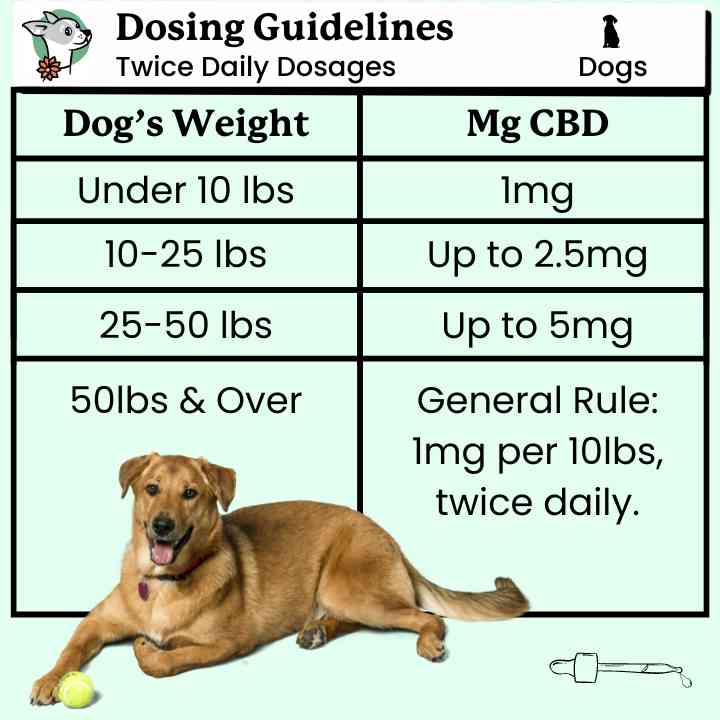
The best choice depends on your pet’s needs and your comfort level with THC. Some believe that full-spectrum CBD offers the "entourage effect," where the various cannabinoids work synergistically to enhance the benefits. However, others prefer broad-spectrum or isolate to avoid any potential THC exposure. Potency is another important factor. Start with a low dose and gradually increase it until you see the desired effects.
Pay attention to the carrier oil. Common carrier oils include MCT oil, hemp seed oil, and olive oil. MCT oil is often preferred because it’s easily absorbed by the body. Finally, check the ingredients list for any artificial flavors, colors, or preservatives. You want a product with minimal additives.
Top CBD Products for Pets (2026 Compliant)
Identifying products guaranteed to be compliant in 2026 is impossible right now, but we can highlight brands currently demonstrating a commitment to quality and transparency. Based on current practices and stated intentions, several companies appear well-positioned to meet the new regulations. These selections prioritize readily available COAs and positive customer feedback.
Charlotte’s Web: A well-established brand known for its commitment to quality and rigorous testing. They offer a range of CBD products for pets, including oils and chews, with COAs readily available on their website. Their focus on science-backed formulations is a plus. They’ve been vocal about adapting to new regulations.
Holistapet: This brand focuses exclusively on pet CBD and offers a variety of products tailored to specific needs, such as anxiety, pain, and inflammation. They provide detailed information about their sourcing and manufacturing processes, and their products are third-party tested. They appear proactive in staying ahead of regulatory changes.
Lolahemp: Lolahemp is another brand that prioritizes transparency and quality. They offer a wide selection of CBD products for pets, including oils, treats, and topicals. Their website features detailed product information and readily available COAs. They also provide excellent customer support.
CBDistillery: While not exclusively pet-focused, CBDistillery offers a range of high-quality CBD products at competitive prices. They are committed to transparency and provide detailed COAs for all of their products. They also offer a satisfaction guarantee.
Featured Products

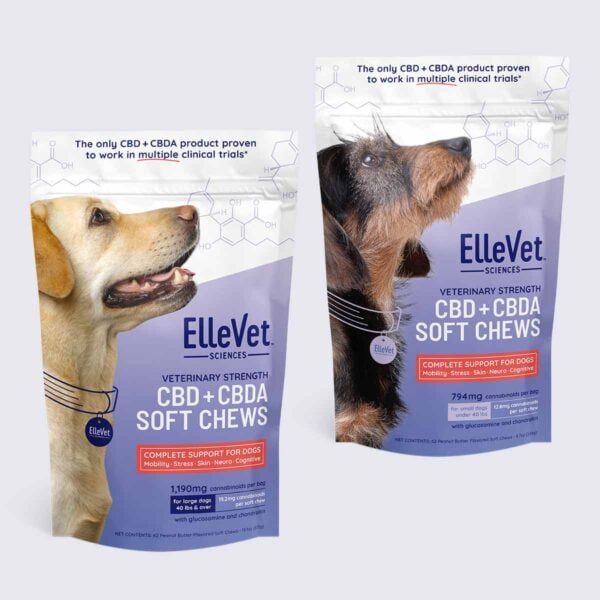
Formulated for both dogs and cats · Aids in managing anxiety, pain, stress, and sleep issues · Supports hip and joint health, including arthritis and seizure relief
This product is recommended for its pet-specific formulation and clear indication of third-party lab testing, ensuring a legal and trustworthy CBD option.

Designed for dogs and cats · Addresses anxiety, pain, stress, and sleep disturbances · Promotes hip and joint health and offers calming effects
This product is recommended for its pet-specific formulation and clear indication of third-party lab testing, ensuring a legal and trustworthy CBD option.

Soft chews specifically for dogs · Contains hemp oil, valerian root, and melatonin for calming effects · Aids in relieving anxiety and stress related to storms, barking, and separation
This product is recommended for its pet-specific formulation and clear indication of third-party lab testing, ensuring a legal and trustworthy CBD option.
Formulated for both dogs and cats · Aids in managing anxiety, pain, stress, and sleep issues · Supports hip and joint health, including arthritis and seizure relief
This product is recommended for its pet-specific formulation and clear indication of third-party lab testing, ensuring a legal and trustworthy CBD option.

Comes in a 2-pack for convenience · Suitable for both dogs and cats · Offers holistic relief for anxiety, stress, pain, and inflammation, supporting joint and hip health
This product is recommended for its pet-specific formulation and clear indication of third-party lab testing, ensuring a legal and trustworthy CBD option.
As an Amazon Associate I earn from qualifying purchases. Prices may vary.
Navigating Enforcement and Reporting Issues
If you suspect a CBD product is mislabeled, unsafe, or making unsubstantiated claims, you have options. The FDA accepts reports of adverse events and violations through its online portal. You can also report issues to your state’s veterinary medical board or department of agriculture. Providing as much detail as possible – including the product name, batch number, and a description of the issue – will help investigators.
While legal recourse may be limited, you may be able to pursue a claim against the manufacturer if a pet is harmed by a faulty product. It’s important to document everything, including veterinary bills, product packaging, and any communication with the manufacturer. Consulting with an attorney specializing in product liability law is advisable.
Resources for Staying Informed
Staying up-to-date on the evolving regulations surrounding pet CBD requires ongoing effort. The FDA website () is the primary source of information about federal regulations. State veterinary medical associations can provide updates on state-level laws. Reputable CBD industry organizations, such as the U.S. Hemp Roundtable, also offer valuable resources.
PetCBDFinder is dedicated to tracking these changes and providing pet owners with the information they need to make informed decisions. We will continue to monitor the FDA’s rulemaking process and report on any significant developments. Remember, knowledge is power when it comes to navigating the complex world of pet CBD.

No comments yet. Be the first to share your thoughts!