

Cats & CBD in 2026: A Legal Snapshot
The legal status of CBD for cats in 2026 is complex, much like CBD for humans. The 2018 Farm Bill legalized hemp (cannabis with 0.3% or less delta-9 THC) federally, but it didn't specifically cover pet CBD. This leaves hemp-derived CBD technically legal nationwide, but its sale and use for animals lack direct federal regulation, creating a difficult situation for everyone involved.
Without federal guidelines, states have created their own laws, leading to varied regulations. Some states fully permit CBD for pets, others have restrictions, and some prohibit it entirely. A few require a veterinary prescription, while many do not. Laws change frequently, so what's legal in one state today might not be tomorrow.
Confusion also surrounds the source of CBD. While hemp-derived CBD is more common, questions remain about marijuana-sourced CBD, even where marijuana is legal for people. Pet owners must research their state's specific laws before buying or using CBD for their cats to avoid legal trouble.
By 2026, a slow trend toward clearer laws for pet CBD is emerging. More states are addressing it, but legislative debates about safety and efficacy slow progress. A lack of strong research on CBD's effects in cats makes some lawmakers hesitant. Anyone considering CBD for their cat should pay close attention to these developments.
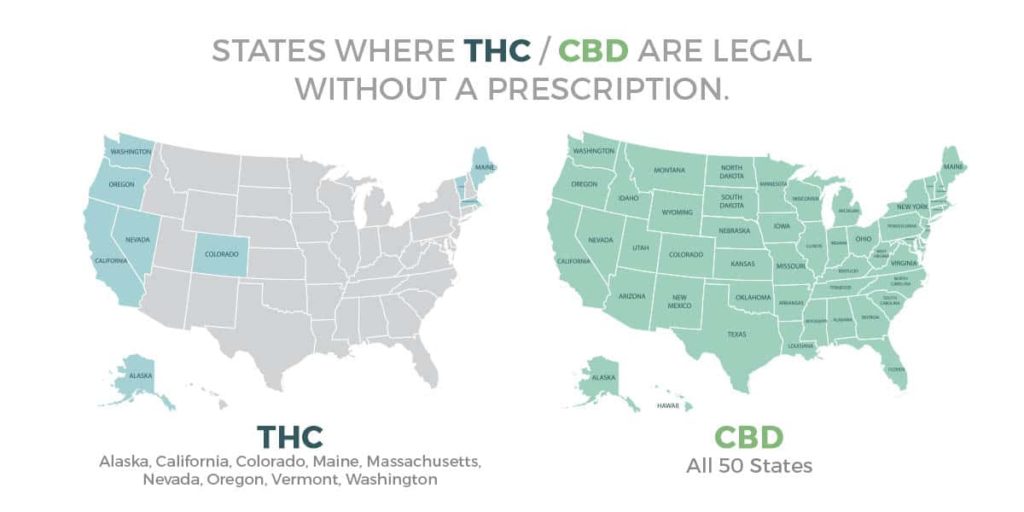
State-by-State CBD Access for Cats (2026)
Understanding the state-by-state legality of CBD for cats is crucial. As of late 2026, laws generally fall into four categories: fully legal, legal with restrictions, gray areas, and prohibited. These classifications can change, so always verify current laws.
Fully Legal States: California, Colorado, and Oregon generally allow the sale and use of hemp-derived CBD for pets without significant restrictions. However, even in these states, products must meet certain quality standards and be accurately labeled. Retailers often need to provide Certificates of Analysis (COAs) to prove the CBD content and absence of harmful contaminants.
Legal with Restrictions: A large number of states, including Florida, Texas, and New York, permit CBD for pets but with caveats. Florida, for example, requires a recommendation from a licensed veterinarian. Texas allows CBD products but prohibits the addition of any psychoactive ingredients. New York focuses heavily on ensuring products are sourced from registered hemp growers. These restrictions aim to ensure pet safety and product quality.
Gray Areas: States like North Carolina, Pennsylvania, and Ohio fall into a gray area. While CBD isn’t explicitly prohibited, there’s a lack of clear regulations specifically addressing its use in animals. This means retailers and consumers operate with a degree of uncertainty. It’s crucial to exercise caution and prioritize products with third-party testing in these states.
Prohibited States: A small number of states, such as Kansas and Idaho, still maintain a strict prohibition on all forms of CBD, including for pets. These states often cite concerns about potential health risks and the lack of FDA approval for veterinary use. It’s illegal to purchase, sell, or administer CBD to animals in these locations.
Here's a look at a few key states (always check for the most current information):
California: Allows hemp-derived CBD for pets, but requires clear labeling and adherence to state hemp program regulations. Resources:
Texas: CBD is legal if it contains less than 0.3% THC. No psychoactive ingredients are allowed in pet products. Resources:
Florida: Requires a veterinarian’s recommendation for CBD use in pets. Resources:
New York: Focuses on product sourcing and testing; requires registration with the Department of Agriculture and Markets. Resources:
Kansas: CBD remains illegal, even for pet use. Resources:
Pet CBD Finder's 2026 State-by-State Guide: Legal Status of CBD for Cats
| State | Legal Status | Restrictions | Notes |
|---|---|---|---|
| Alabama | Restricted | Vet Recommendation Suggested | Laws primarily focus on hemp-derived CBD; regulations regarding pet-specific products are evolving. |
| California | Fully Legal | None Specified | California has comprehensive CBD regulations, including those applicable to pet products. Products must meet labeling requirements. |
| Colorado | Fully Legal | Testing Requirements | Colorado was an early adopter of CBD legislation. Products must undergo third-party testing for potency and contaminants. |
| Florida | Gray Area | Limited to Hemp-Derived CBD | Florida law is somewhat ambiguous, but generally allows hemp-derived CBD products. Regulations are subject to change. |
| Texas | Restricted | Delta-9 THC Limit | Texas law restricts the amount of Delta-9 THC allowed in CBD products, impacting availability of full-spectrum options. Focus is on human CBD, pet regulations are developing. |
| New York | Fully Legal | Agricultural Pilot Program | CBD products are legal under the state’s agricultural pilot program. Regulations are evolving to address pet-specific products. |
| Illinois | Fully Legal | Retail Restrictions | Illinois allows the sale of CBD products in licensed retail locations. Regulations focus on product safety and labeling. |
| Ohio | Gray Area | Hemp-Derived Only | Ohio allows hemp-derived CBD but the legal landscape is still developing, particularly regarding products marketed for pets. |
Illustrative comparison based on the article research brief. Verify current pricing, limits, and product details in the official docs before relying on it.
Finding Reputable CBD Products for Your Cat
Finding a good CBD product for your cat can be tough with so many options. Quality control is key because the CBD market isn't well-regulated. Look for products third-party tested by an independent lab. This confirms the CBD content and checks for contaminants like heavy metals, pesticides, and mold.
The CBD's source matters. Hemp-derived CBD is usually preferred for its lower THC. Make sure the hemp is grown in the U.S. and meets agricultural standards. Don't buy products that hide their hemp source. Also, consider the CBD type: full-spectrum (all cannabinoids), broad-spectrum (THC removed), or isolate (pure CBD).
Check the carrier oil in the product. Common choices are MCT oil, olive oil, and hemp seed oil. MCT oil is often favored for digestibility and potential benefits. Always read the Certificate of Analysis (COA) closely. It should list CBD content, THC levels, and contaminant test results
Be wary of products making extravagant health claims. CBD is not a cure-all, and any product promising to treat or cure specific diseases is likely a scam. Look for products that focus on supporting overall wellness and managing common issues like anxiety or discomfort. Prioritize brands that are transparent about their manufacturing processes and provide clear contact information.
Common Concerns & Potential Side Effects
Many cat owners are understandably hesitant about giving CBD to their pets, and their concerns are valid. While CBD is generally considered safe for cats, potential side effects can occur. The most common side effect is drowsiness, which usually subsides as your cat adjusts to the dosage. Other possible side effects include changes in appetite, diarrhea, and increased thirst.
To minimize the risk of side effects, it’s crucial to start with a low dose and gradually increase it as needed. Monitor your cat closely for any adverse reactions and adjust the dosage accordingly. It’s also important to note that CBD can interact with other medications your cat is taking, so it’s essential to inform your veterinarian.
I want to emphasize that I am not a veterinarian, and this information is not intended as medical advice. Always consult with your vet before giving CBD to your cat, especially if your cat has any underlying health conditions. They can help you determine the appropriate dosage and monitor your cat for any potential side effects. Never self-treat your cat's medical conditions with CBD.
- Start with a low dose.
- Monitor your cat closely for side effects.
- Consult with your veterinarian.
Pet Releaf & Beyond: Top Brands to Watch
Several brands have emerged as leaders in the pet CBD space, focusing on quality and transparency. Pet Releaf, as highlighted by various sources, is a well-regarded option, offering a range of products specifically formulated for cats, including oils and chews. They emphasize organic hemp sourcing and rigorous testing protocols.
Other brands worth considering include Holistapet, known for its broad-spectrum CBD oils and commitment to sustainability, and Honest Paws, which offers a variety of products, including CBD-infused treats and soft gels. These brands all prioritize third-party testing and provide Certificates of Analysis (COAs) for their products.
It's important to note that 'top' is subjective and depends on your cat’s individual needs and preferences. Researching customer reviews and comparing product ingredients can help you make an informed decision. Don’t be swayed by marketing hype; focus on brands that prioritize quality, transparency, and scientific backing.
When evaluating brands, look for those that actively participate in the pet CBD community and are committed to ongoing research and development. This demonstrates a dedication to improving the safety and efficacy of their products.
Local Shops vs. Online Retailers: What's Best?
The decision of whether to purchase CBD for your cat from a local brick-and-mortar store or an online retailer depends on your priorities. Local shops offer the advantage of expert advice and the ability to physically inspect the product before purchasing. You can also build a relationship with the store owner and ask questions about their sourcing and testing practices.
However, local shops may have a limited selection and higher prices compared to online retailers. Online retailers offer a wider variety of products and often have more competitive pricing. But, it’s crucial to be cautious when buying online, as there’s a greater risk of encountering scams or low-quality products. Always verify the retailer’s legitimacy and read customer reviews.
Pet CBD Finder is a valuable resource for locating local CBD shops in your area. We verify the legitimacy of each listing, ensuring you can find reputable retailers near you. When choosing an online retailer, look for those that offer third-party testing results and clear return policies. Remember to do your due diligence and research the brand before making a purchase.
- Local Shops: Expert advice, physical inspection, potential for higher prices.
- Online Retailers: Wider selection, competitive pricing, risk of scams.
Evaluating CBD Retailers
- Third-Party Testing - Look for a Certificate of Analysis (COA) from an independent lab confirming potency and purity. Reputable brands like Honest Paws and Holistapet routinely provide these.
- Transparent Sourcing - Brands such as NuLeaf Naturals clearly state where their hemp is grown (often Colorado or Oregon) and their extraction methods.
- Secure Website (HTTPS) - Ensure the website uses HTTPS, indicated by a padlock icon in the address bar, protecting your payment and personal information. This is standard for sites like Chewy and Petco, which also carry CBD products.
- Clear Contact Information - A legitimate business will provide a physical address, phone number, and email address. Companies like Penelope’s Bloom prominently display this information.
- Positive Customer Reviews - Check reviews on multiple platforms (company website, Trustpilot, Reddit) to gauge other cat owners’ experiences. Look at brands like CBDistillery for a large volume of reviews.
- Product Specificity - Ensure the product is specifically formulated *for cats*. Dosage and ingredients differ from those intended for dogs or humans. Many brands, including VetriCBD, offer cat-specific formulations.
- Ingredient List Review - Scrutinize the ingredient list. Avoid products with artificial flavors, colors, or preservatives. Look for simple formulations with CBD and a carrier oil like MCT oil, as seen in products from Super Snouts.
Navigating Veterinary Guidance on CBD
One of the biggest challenges facing pet owners interested in CBD is the reluctance of many veterinarians to recommend it. This hesitation stems from a combination of legal restrictions, lack of robust research, and concerns about potential liability. Many veterinary schools don’t include CBD in their curriculum, leaving vets feeling unprepared to discuss it with clients.
However, attitudes are slowly changing. More and more veterinarians are becoming open to learning about CBD and its potential benefits for pets. If you’re considering using CBD for your cat, it’s important to have an open and honest conversation with your vet. Be prepared to provide them with information about the product you’re considering, including the COA and ingredient list.
Frame the conversation as a collaborative effort. Instead of asking your vet to "approve" CBD, ask for their guidance on dosage and potential interactions with other medications. Resources like the American Holistic Veterinary Medical Association (AHVMA) offer continuing education opportunities for vets interested in learning more about CBD.
Even if your vet is hesitant, don’t be discouraged. The field of veterinary CBD is evolving rapidly, and more research is needed to fully understand its potential benefits and risks. By engaging in a constructive dialogue with your vet, you can help bridge the knowledge gap and make informed decisions about your cat’s health.
No comments yet. Be the first to share your thoughts!